
How Boutique Vineyards Are Shaping the Future of Fine Wine.
Discover how boutique vineyards are redefining modern winemaking through sustainability, craftsmanship, and a deep respect for regional terroir.

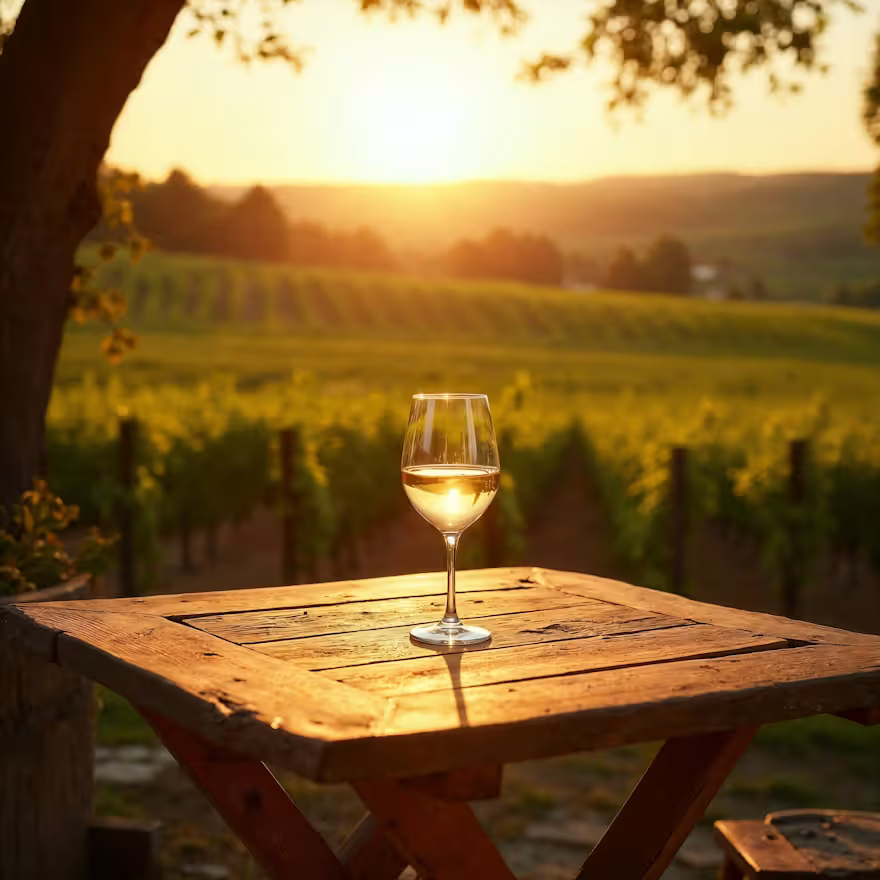
For generations, some of the world's most celebrated wines have come from family-owned vineyards where tradition, patience, and craftsmanship are valued above mass production. While large wineries continue to serve global markets, boutique vineyards are earning increasing recognition for producing wines that express the unique character of their land rather than pursuing uniformity.
These smaller estates often cultivate only a few hectares of vines, allowing growers to pay close attention to every stage of production. From pruning vines in winter to harvesting grapes by hand, each decision is guided by quality rather than quantity.
As modern wine enthusiasts seek authenticity and transparency, boutique vineyards are proving that exceptional wines begin long before grapes reach the cellar.
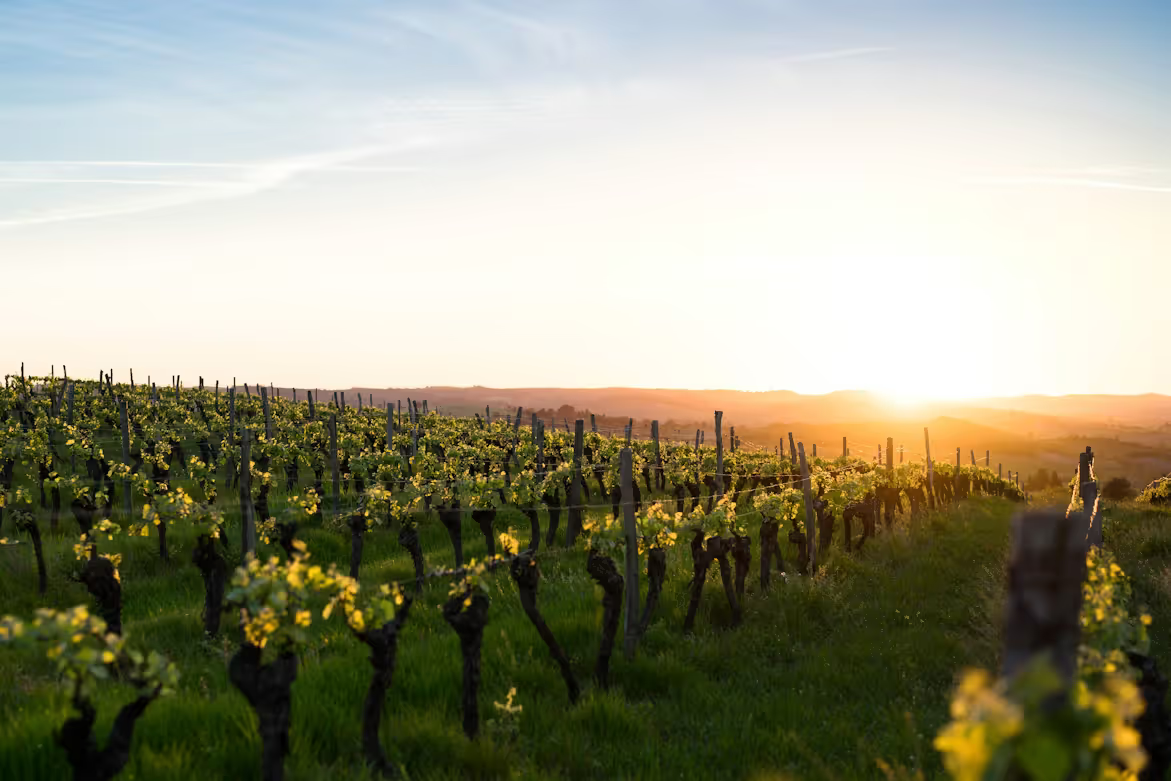
The Importance of Terroir
Winemakers frequently use the French word terroir to describe the unique combination of soil, climate, elevation, and landscape that influences how grapes develop.
Two vineyards growing the same grape variety can produce remarkably different wines simply because of their location. Limestone soils may create elegant acidity, while volcanic landscapes often contribute mineral complexity. Coastal vineyards benefit from cooling sea breezes, while hillside vineyards receive greater sunlight and improved drainage.
Rather than trying to eliminate these natural differences, boutique producers celebrate them. Their goal is to create wines that honestly reflect the place where they were grown.
Sustainable Practices in Modern Vineyards
Many boutique vineyards have embraced sustainable farming as an essential part of quality winemaking.
Cover crops improve soil health, natural compost replaces excessive chemical fertilizers, and careful water management protects surrounding ecosystems. Some estates have also adopted organic or biodynamic practices that encourage biodiversity throughout the vineyard.
Healthy vines produce healthier fruit, allowing winemakers to rely less on intervention during fermentation. The result is wine that expresses greater balance and character while preserving the long-term vitality of the land.
Sustainability has become more than an environmental commitment—it is increasingly viewed as an investment in future generations of winemaking.
From Vineyard to Cellar
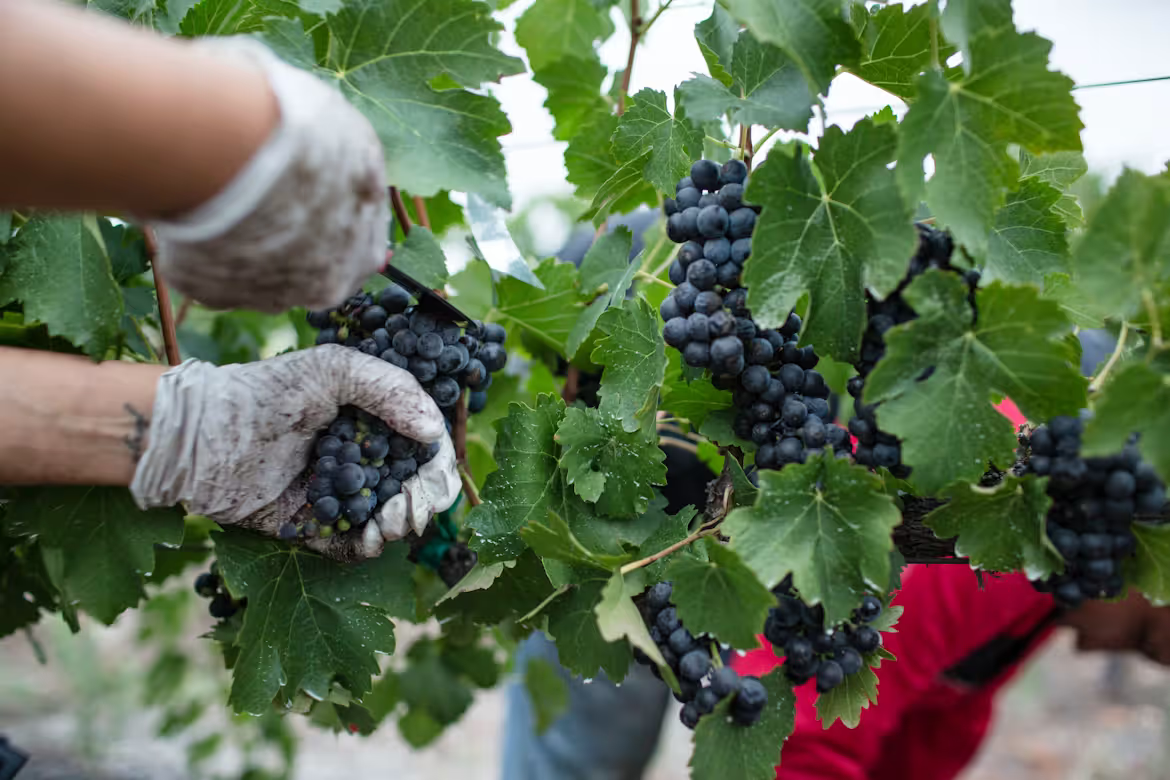
Harvest is one of the most important moments of the year.
Many boutique wineries continue to pick grapes by hand, allowing only the healthiest fruit to reach the cellar. Timing is carefully judged, balancing sugar levels, acidity, and flavor development rather than relying solely on a calendar.
Inside the winery, modern technology supports traditional craftsmanship rather than replacing it. Temperature-controlled fermentation, gentle pressing, and carefully selected oak barrels allow winemakers to preserve freshness while developing complexity over time.
Every vintage becomes a reflection of that particular growing season, ensuring no two years are ever exactly alike.
Wine as Part of the Dining Experience
Exceptional wine is rarely enjoyed in isolation.
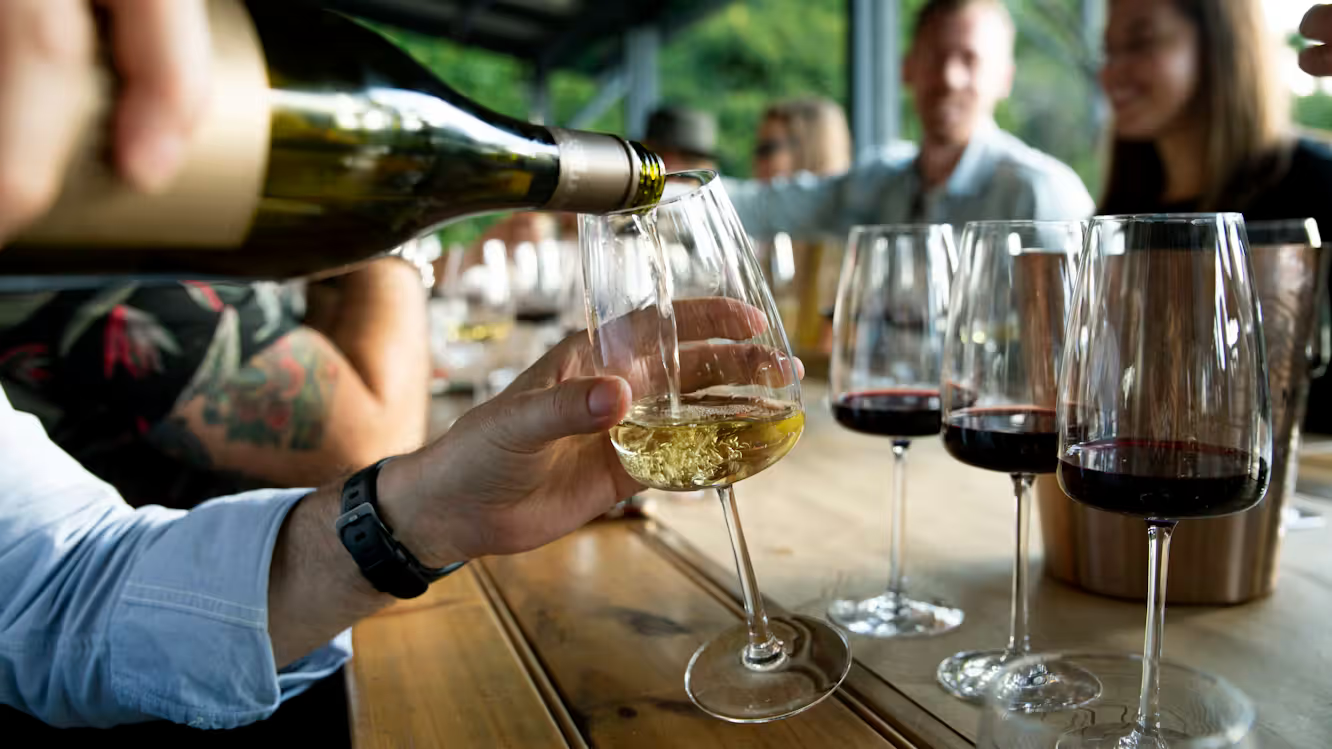
Restaurants increasingly collaborate with local vineyards to create pairings that complement seasonal menus and regional ingredients. A crisp white wine may enhance delicate seafood, while an elegant Pinot Noir beautifully accompanies roasted poultry or earthy mushroom dishes.
Sommeliers play an important role in introducing guests to smaller producers whose wines may not appear in mainstream retail stores. These discoveries often become some of the most memorable parts of a dining experience.
For many restaurants, supporting boutique vineyards also strengthens relationships with regional producers and celebrates local food culture.
Final Thoughts
Boutique vineyards remind us that great wine begins with patience, respect for nature, and an understanding of place.
Their commitment to sustainable farming, careful craftsmanship, and honest expression continues to shape the future of modern winemaking. Rather than producing wine for mass consumption, these estates create bottles that tell the story of a landscape, a season, and the people who dedicated themselves to its care.
For wine lovers and curious travelers alike, visiting a boutique vineyard offers far more than a tasting—it provides an opportunity to experience the traditions and craftsmanship that define exceptional wine.

Victoria Pemberton
Victoria Pemberton is an editorial food photographer documenting exceptional restaurants, handcrafted cuisine, vineyards, and culinary destinations worldwide.
Keep Reading
More stories you might enjoy
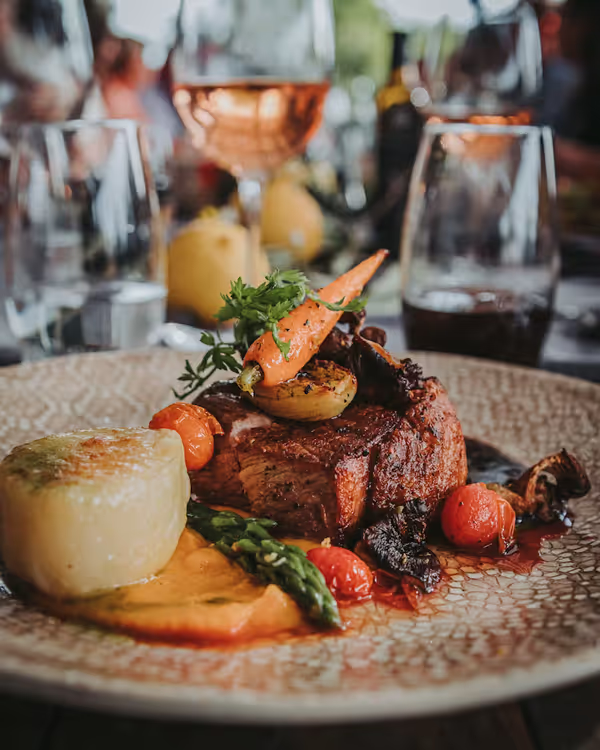
Great dining is never defined by a single dish. It is the result of remarkable ingredients, talented chefs, thoughtful hospitality, artisan producers, and a shared passion for creating unforgettable experiences.
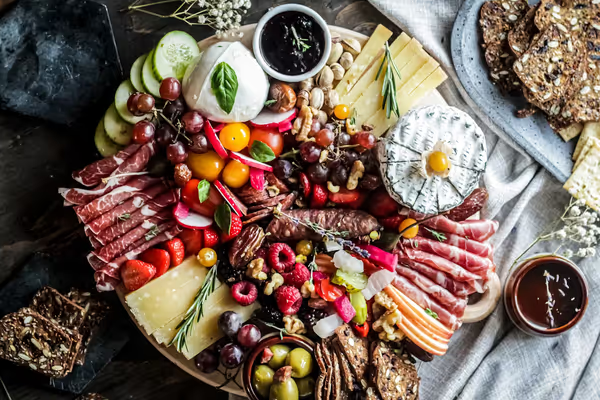
Charcuterie is more than a selection of cured meats. It is a centuries-old craft built on patience, precision, and respect for traditional techniques that continue to inspire chefs around the world.

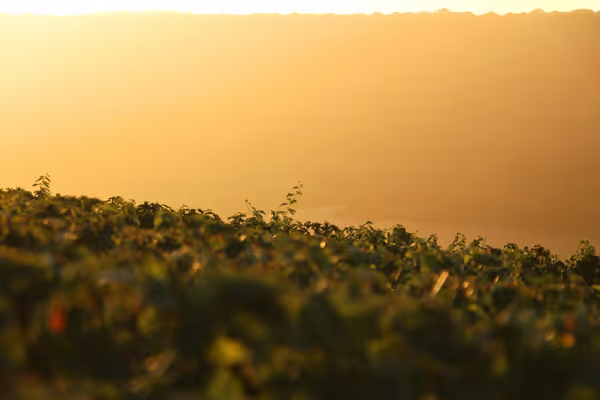
Small, independent vineyards are redefining fine wine through sustainable farming, limited production, and an unwavering commitment to expressing the character of every vintage.
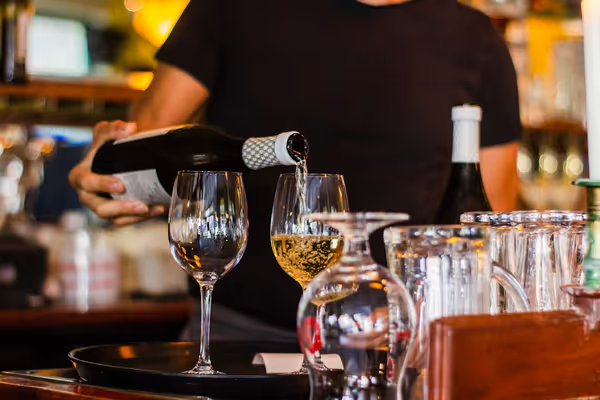
Behind every unforgettable wine pairing is a sommelier whose knowledge, intuition, and passion transform every course into a perfectly balanced dining experience.

Discussion
Share your thoughts on this story