
Inside the World's Most Extraordinary Fine Dining Experiences.
Discover how the world's most celebrated restaurants create unforgettable dining experiences through craftsmanship, seasonal ingredients, hospitality, and culinary innovation.

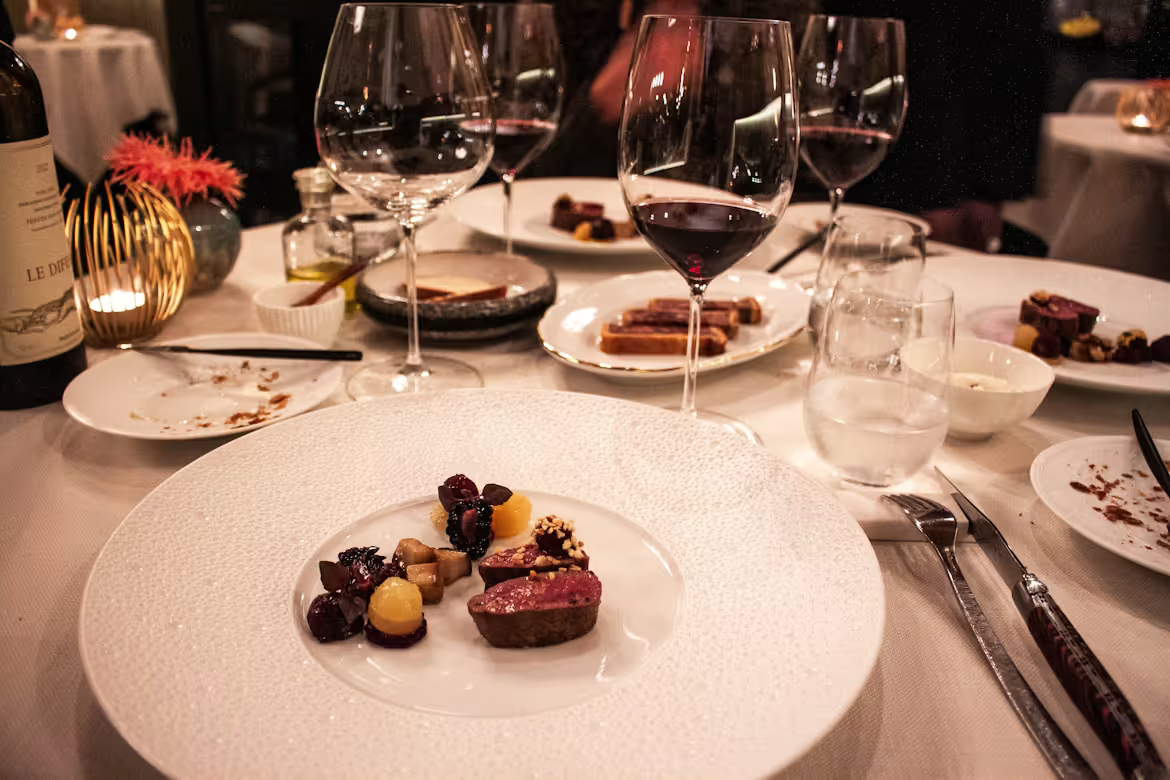
There is a common misconception that fine dining is defined by luxury alone. White tablecloths, polished silverware, and beautifully plated dishes often become the visual symbols associated with exceptional restaurants. Yet the world's most memorable dining experiences are built on something far more meaningful—thoughtful craftsmanship, genuine hospitality, and an unwavering respect for ingredients.
Today's finest restaurants are no longer simply places to eat. They have become cultural destinations where chefs tell stories through seasonal menus, local traditions, and carefully considered techniques. Every course reflects months of planning, close relationships with farmers and producers, and a deep understanding of the region's culinary heritage.
Whether overlooking a quiet coastline, hidden within a historic city, or surrounded by vineyards in the countryside, remarkable restaurants create experiences that stay with guests long after the final course has been served.
Velora explores what truly defines exceptional fine dining and why these restaurants continue to inspire travelers, chefs, and food lovers around the world.
Fine Dining Begins Long Before the First Course
An unforgettable meal starts well before guests take their seats.
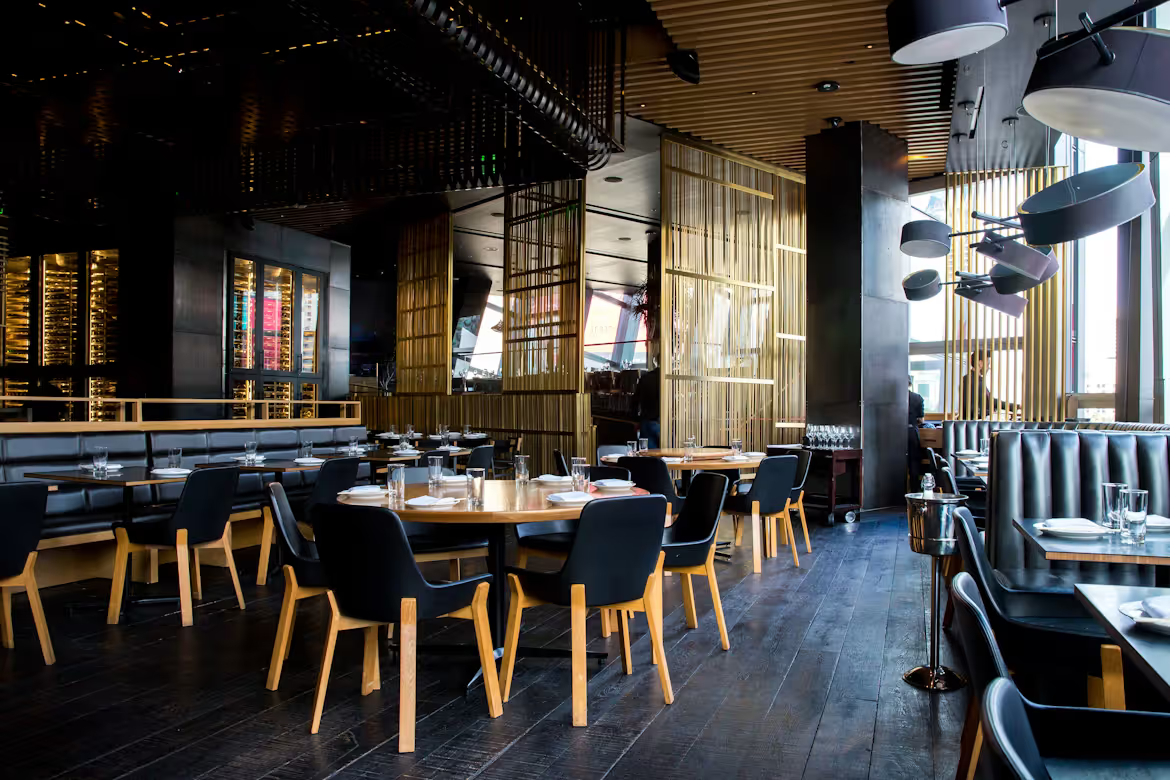
The journey often begins with the restaurant's location, architecture, and atmosphere. Some restaurants embrace dramatic natural landscapes, while others celebrate historic buildings or contemporary interiors. Regardless of style, every design decision contributes to the overall experience.
Warm lighting creates comfort without distraction. Carefully selected materials such as natural wood, stone, and handcrafted ceramics establish a sense of authenticity. Open kitchens invite guests to observe the rhythm and precision behind every dish, transforming cooking into part of the dining experience itself.
Hospitality also plays a central role. The best restaurants welcome guests with genuine warmth rather than formality, creating an environment where every visitor feels valued from the moment they arrive.
The Importance of Seasonal Ingredients
Exceptional chefs rarely build menus around ingredients that are available year-round.
Instead, they allow each season to guide creativity.
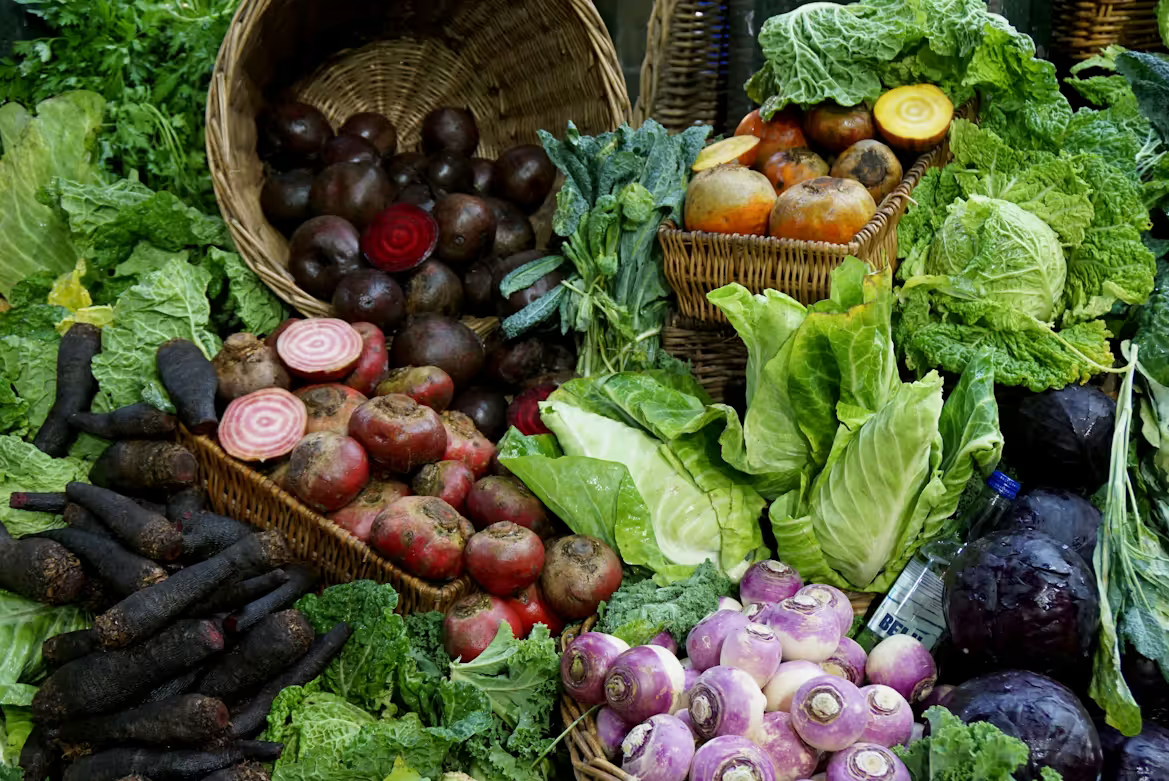
Spring introduces tender vegetables, fresh herbs, and delicate seafood. Summer celebrates colorful fruits and locally harvested produce. Autumn brings earthy mushrooms, root vegetables, and richer flavors, while winter encourages slow-cooked dishes and preserved ingredients.
This seasonal approach ensures freshness while strengthening relationships with regional farmers, fishermen, cheesemakers, and artisan producers.
Menus therefore evolve naturally throughout the year, offering returning guests a different experience each season rather than repeating the same dishes indefinitely.
Beyond improving flavor, seasonal sourcing also supports more sustainable food systems and reduces unnecessary transportation.
Every Plate Reflects Craftsmanship
Behind every beautifully presented dish lies countless hours of preparation.
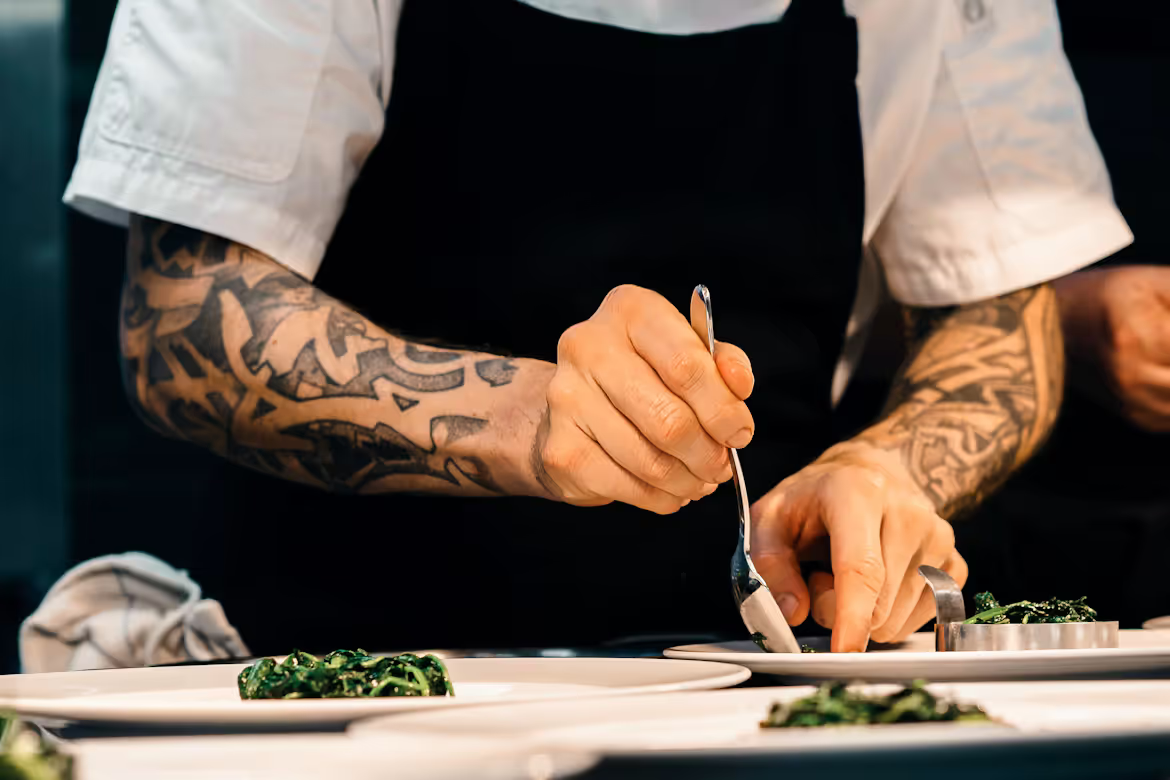
Stocks may simmer overnight. Bread is often baked before sunrise. Sauces require patience, precision, and careful tasting. Pastry chefs spend hours refining textures that diners may enjoy in only a few moments.
Yet remarkable restaurants never allow technique to overshadow the ingredients themselves.
Presentation remains elegant but restrained. Colors, textures, and proportions work together to enhance the dining experience without becoming theatrical.
The finest chefs understand that simplicity often requires greater skill than complexity.
A perfectly roasted vegetable, handmade pasta, or carefully prepared piece of fish demonstrates confidence in both the ingredient and the craft behind it.
The Relationship Between Chefs and Local Producers
Many of the world's most respected restaurants speak about their suppliers with the same pride they reserve for their own kitchens.
Farmers, fishermen, bakers, cheesemakers, and winemakers contribute directly to every menu, creating partnerships built on trust and shared standards of quality.
These relationships encourage transparency while allowing chefs to understand where ingredients come from and how they are produced.
Guests increasingly appreciate this connection as well.
Knowing that vegetables were harvested that morning or that cheese comes from a nearby artisan producer adds depth to the dining experience beyond the food itself.
Restaurants become ambassadors for regional food culture, celebrating local traditions while supporting independent producers whose expertise often spans generations.
The Future of Fine Dining
Modern gastronomy continues to evolve while remaining rooted in craftsmanship and authenticity.
Chefs are embracing regenerative agriculture, reducing food waste, supporting local producers, and designing menus that reflect the changing seasons rather than global supply chains.
Technology is improving kitchen efficiency, but it has not replaced the importance of skilled hands, thoughtful preparation, and genuine creativity.
Guests are also seeking more meaningful experiences. Instead of extravagance, they increasingly value transparency, sustainability, and the stories behind every ingredient.
This shift is encouraging restaurants to celebrate regional identity, preserve culinary traditions, and strengthen relationships with the communities that support them.
As dining continues to evolve, the most respected restaurants will remain those that combine innovation with authenticity.
Final Thoughts
Exceptional fine dining is never defined by luxury alone.
It is the result of countless thoughtful decisions—from sourcing seasonal ingredients and supporting artisan producers to designing welcoming spaces and delivering genuine hospitality.
The world's finest restaurants remind us that memorable meals are created through craftsmanship, collaboration, and an unwavering commitment to quality.
For diners, every visit offers more than an opportunity to enjoy outstanding food. It becomes a chance to experience culture, creativity, and human connection gathered around a shared table.
In an increasingly fast-paced world, these moments remain among the most meaningful experiences that travel and food can offer.

Alexander Moreau
Alexander Moreau is a food journalist covering Michelin-starred restaurants, celebrated chefs, wine culture, and exceptional fine dining experiences across Europe.
Keep Reading
More stories you might enjoy
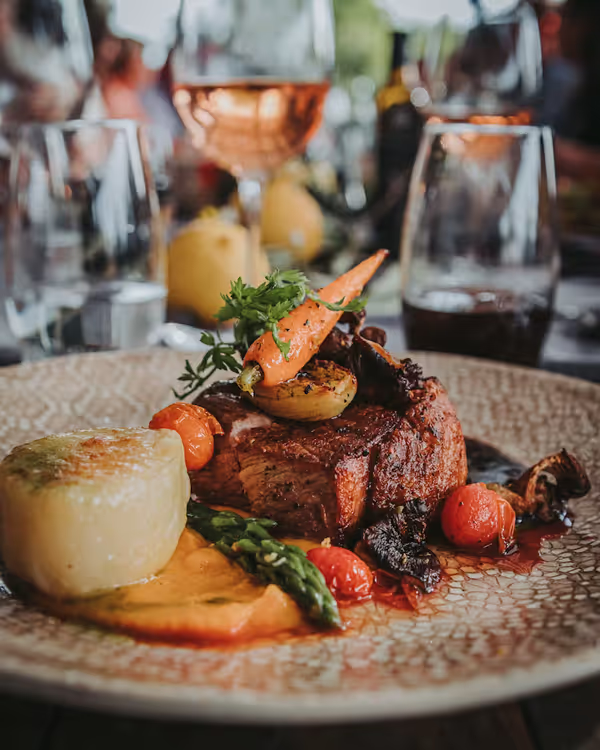
Great dining is never defined by a single dish. It is the result of remarkable ingredients, talented chefs, thoughtful hospitality, artisan producers, and a shared passion for creating unforgettable experiences.
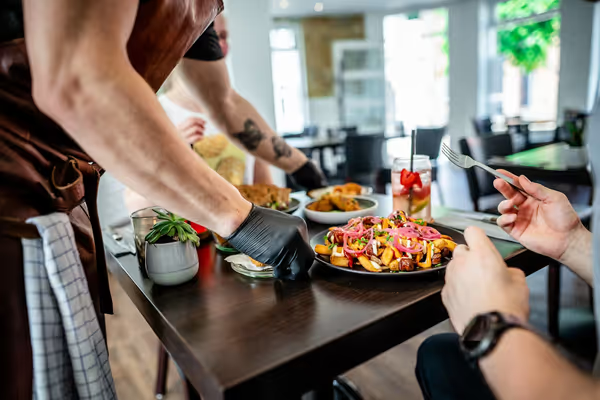
Outstanding cuisine may attract guests, but exceptional hospitality inspires them to return. Discover how thoughtful service transforms every meal into a memorable dining experience.

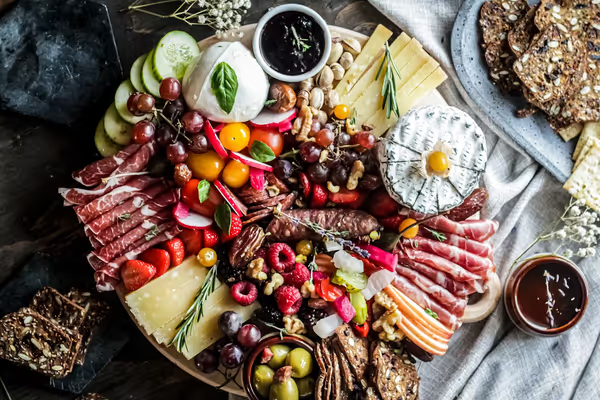
Charcuterie is more than a selection of cured meats. It is a centuries-old craft built on patience, precision, and respect for traditional techniques that continue to inspire chefs around the world.

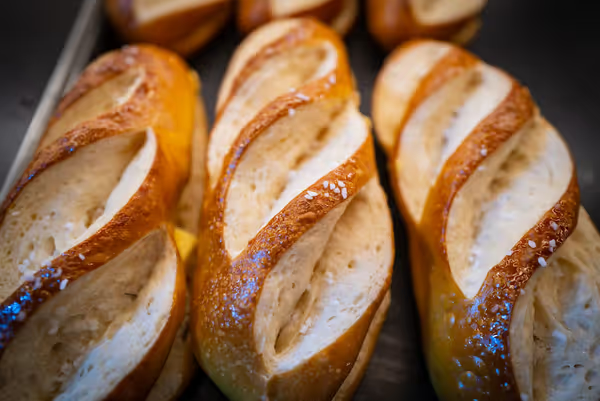
Cultured butter has become one of the quiet stars of modern fine dining, proving that extraordinary ingredients often create the most memorable moments at the table.

Discussion
Share your thoughts on this story