
The Art of Multi-Course Dining: Why Great Tasting Menus Tell a Story.
A thoughtfully designed tasting menu is more than a sequence of courses—it is a carefully crafted story where every dish builds anticipation, celebrates seasonal ingredients, and reflects a chef's unique culinary vision.

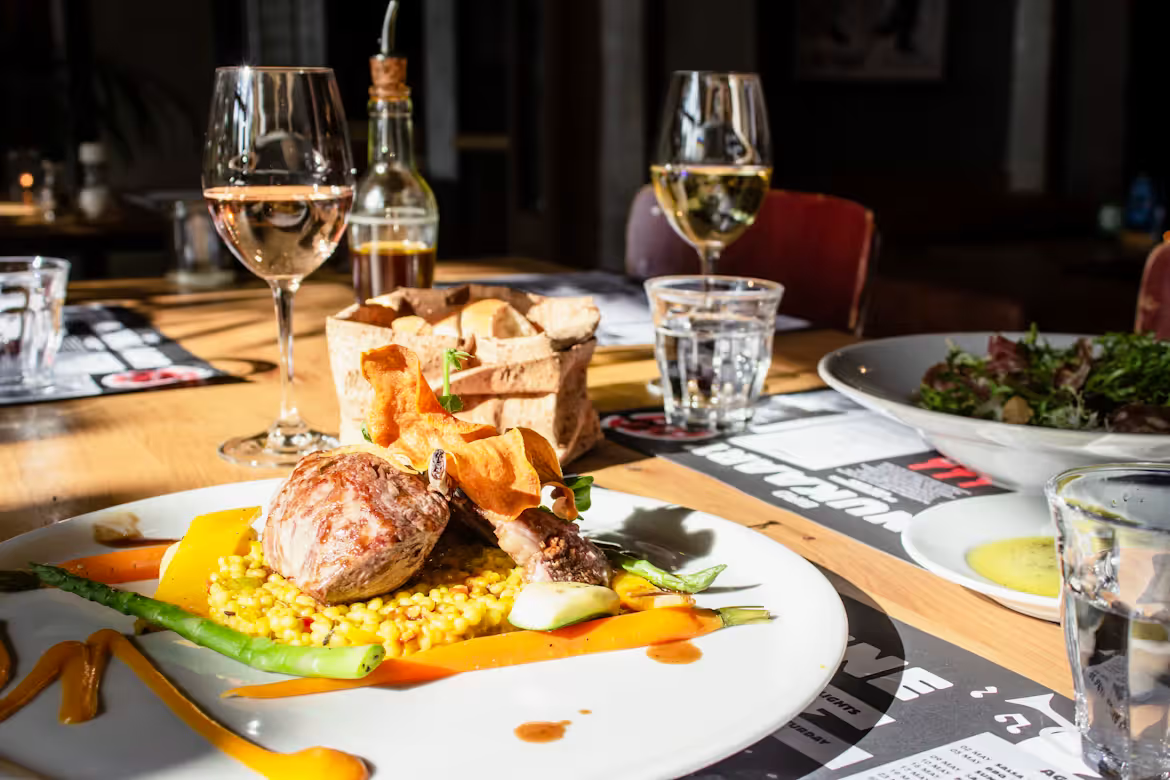
The most memorable meals are rarely remembered because of a single dish. Instead, they unfold gradually, with every course revealing a new idea, a fresh ingredient, or an unexpected flavor. This is the philosophy behind the modern tasting menu—a dining experience where every plate contributes to a carefully planned journey rather than standing alone.
In today's finest restaurants, tasting menus have become a signature expression of creativity. Instead of asking guests to choose individual dishes, chefs design an experience from beginning to end, guiding diners through changing textures, temperatures, aromas, and seasonal ingredients. Every course has a purpose, whether it introduces a regional ingredient, showcases a classic technique, or prepares the palate for what follows.
Although tasting menus are often associated with Michelin-recognized restaurants, their true value extends beyond prestige. They allow chefs to express their culinary philosophy without compromise while offering guests an experience that feels thoughtful, balanced, and deeply personal.
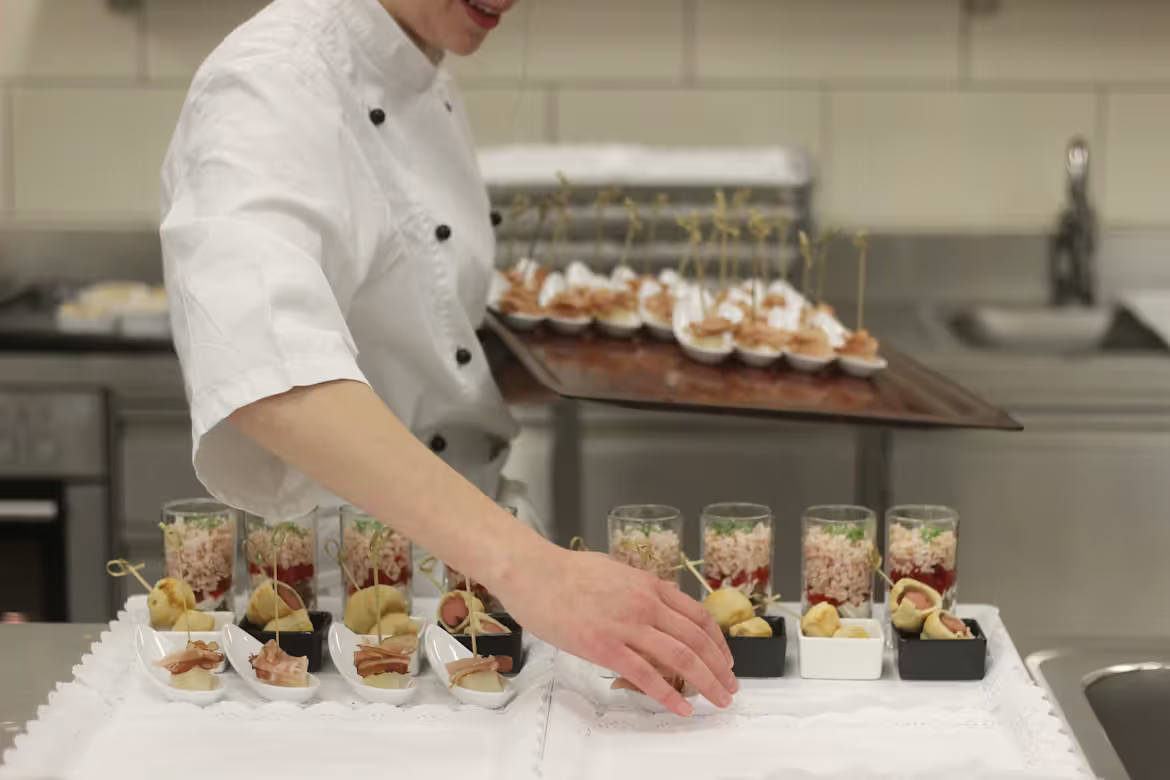
Every Course Has a Purpose
Creating a successful tasting menu requires far more than assembling a collection of popular dishes.
Chefs carefully consider the rhythm of the meal. A light seafood course may awaken the palate, followed by richer seasonal vegetables, perfectly cooked meat, artisan cheeses, and a carefully balanced dessert. The goal is to create progression rather than repetition.
Texture is equally important. Crisp elements contrast with silky purées, warm dishes follow chilled courses, and delicate broths prepare guests for more robust flavors later in the meal. Every transition is intentional.
Many restaurants also adjust their tasting menus throughout the year, allowing seasonal ingredients to guide the experience. Fresh asparagus may define spring, heirloom tomatoes brighten summer, wild mushrooms enrich autumn, and citrus brings balance during winter. These subtle changes ensure every visit reflects the season in which it is enjoyed.
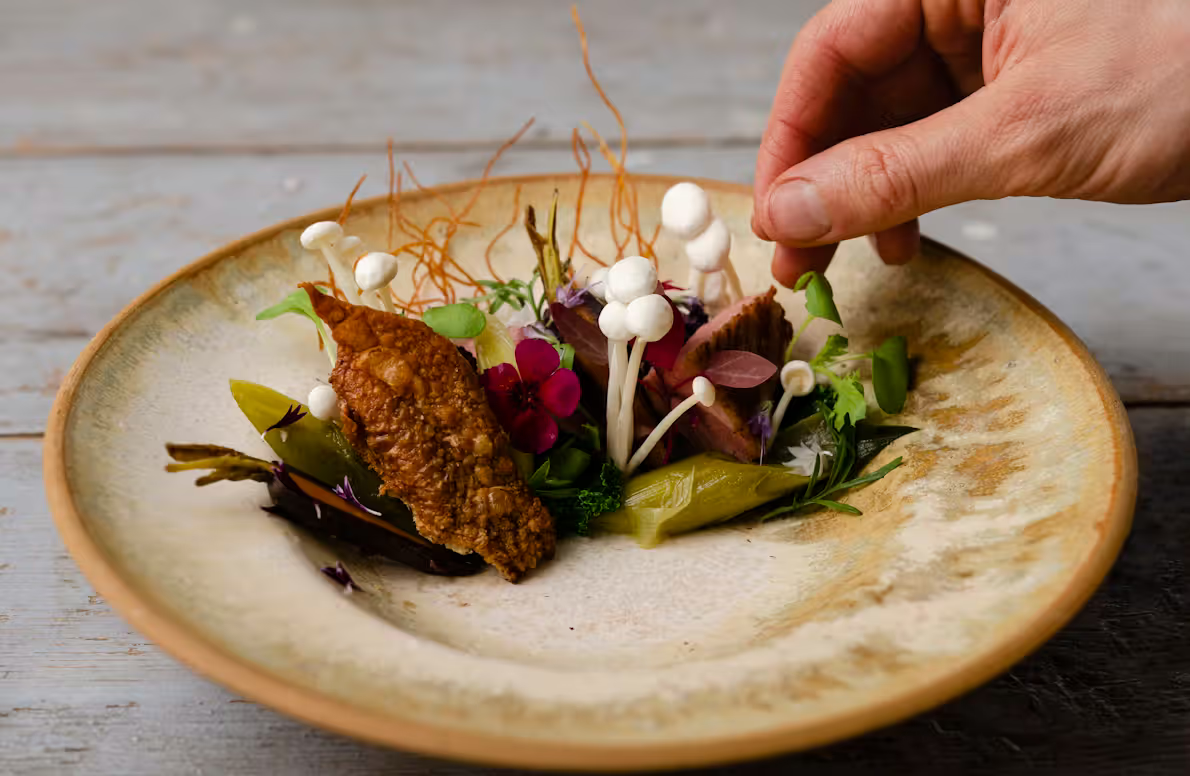
Storytelling Through Food
The finest tasting menus are remembered because they tell stories.
A chef may draw inspiration from childhood memories, local farms, coastal landscapes, or family traditions. Rather than explaining these ideas through words alone, they express them through ingredients and presentation.
One course might celebrate seafood sourced from nearby waters, while another highlights vegetables harvested just hours before service. A dessert may reinterpret a familiar childhood flavor with contemporary techniques, creating both surprise and nostalgia.
This narrative approach transforms dinner into something far more meaningful than a sequence of recipes. Guests leave with memories connected not only to flavor but also to the stories behind every plate.
The Experience Beyond the Plate
Exceptional tasting menus rely on more than remarkable food.
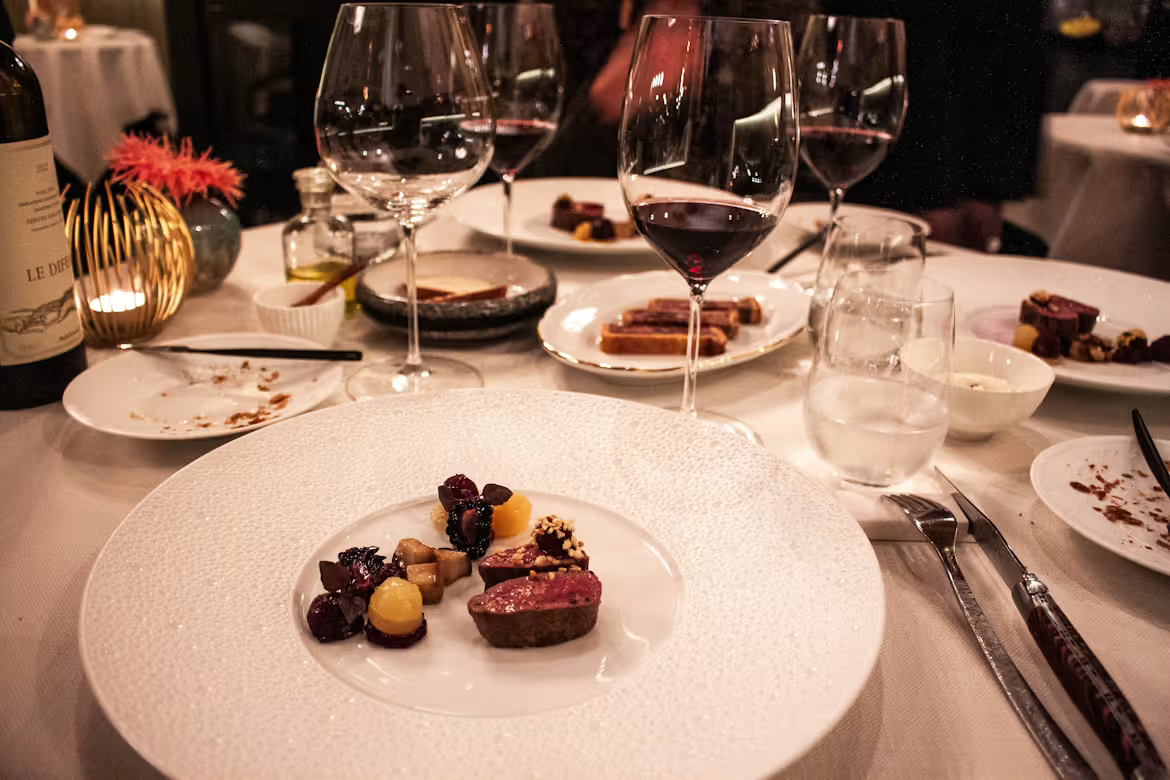
Thoughtful service, carefully selected tableware, lighting, music, and the pace of each course all contribute to the experience. Sommeliers introduce wines that complement each dish, while service teams ensure every transition feels effortless.
Even small details matter. Warm bread arrives at precisely the right moment. Fresh cutlery appears without interruption. Plates are presented with quiet confidence, allowing guests to focus entirely on the meal.
These elements often go unnoticed individually, yet together they create the sense of refinement that defines outstanding restaurants.
Final Thoughts
A great tasting menu is much more than a collection of beautifully plated dishes. It is an expression of creativity, craftsmanship, and hospitality, where every course contributes to a larger story.
By combining seasonal ingredients, technical precision, and thoughtful pacing, chefs create experiences that remain memorable long after the final dessert has been served. In a world where dining often moves quickly, tasting menus encourage guests to slow down, appreciate each course, and celebrate the artistry behind exceptional cooking.

Alexander Moreau
Alexander Moreau is a food journalist covering Michelin-starred restaurants, celebrated chefs, wine culture, and exceptional fine dining experiences across Europe.
Keep Reading
More stories you might enjoy
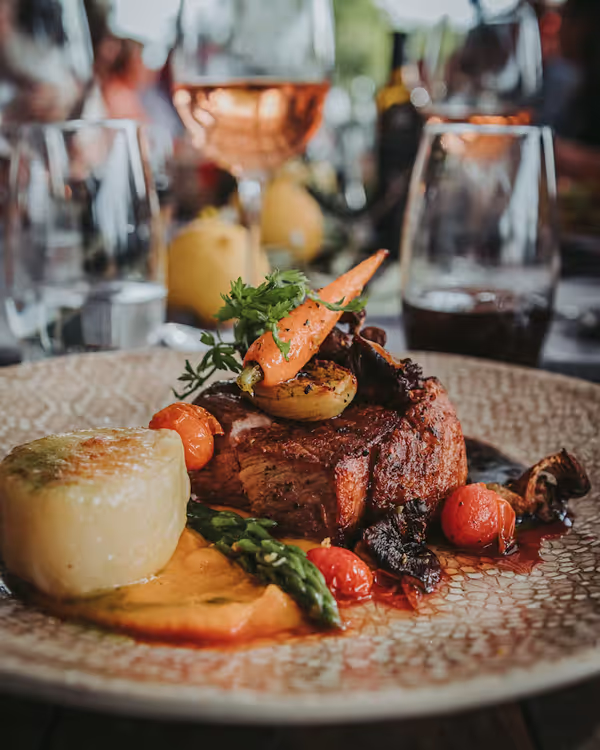
Great dining is never defined by a single dish. It is the result of remarkable ingredients, talented chefs, thoughtful hospitality, artisan producers, and a shared passion for creating unforgettable experiences.
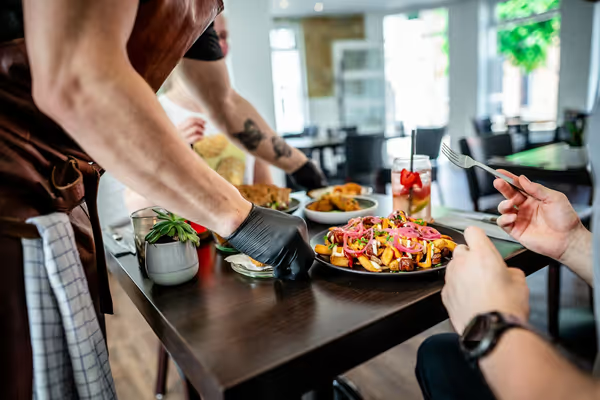
Outstanding cuisine may attract guests, but exceptional hospitality inspires them to return. Discover how thoughtful service transforms every meal into a memorable dining experience.

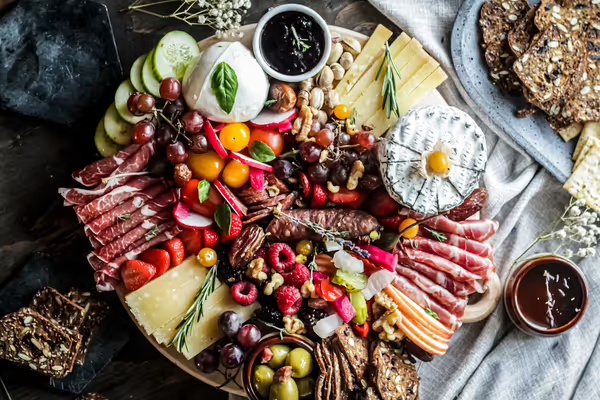
Charcuterie is more than a selection of cured meats. It is a centuries-old craft built on patience, precision, and respect for traditional techniques that continue to inspire chefs around the world.

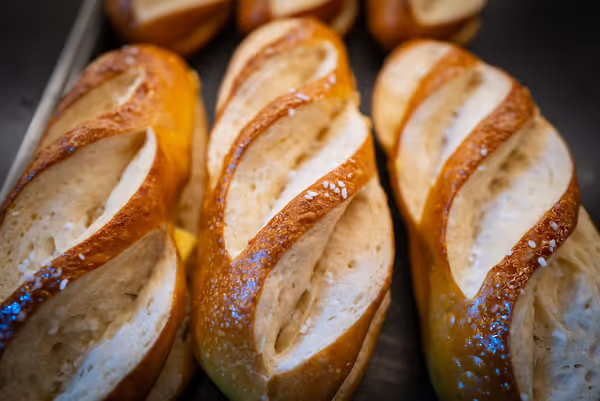
Cultured butter has become one of the quiet stars of modern fine dining, proving that extraordinary ingredients often create the most memorable moments at the table.

Discussion
Share your thoughts on this story