
Why Great Restaurant Design Is as Memorable as the Menu.
Exceptional restaurants are remembered not only for remarkable cuisine but also for the thoughtfully designed spaces that shape every dining experience.

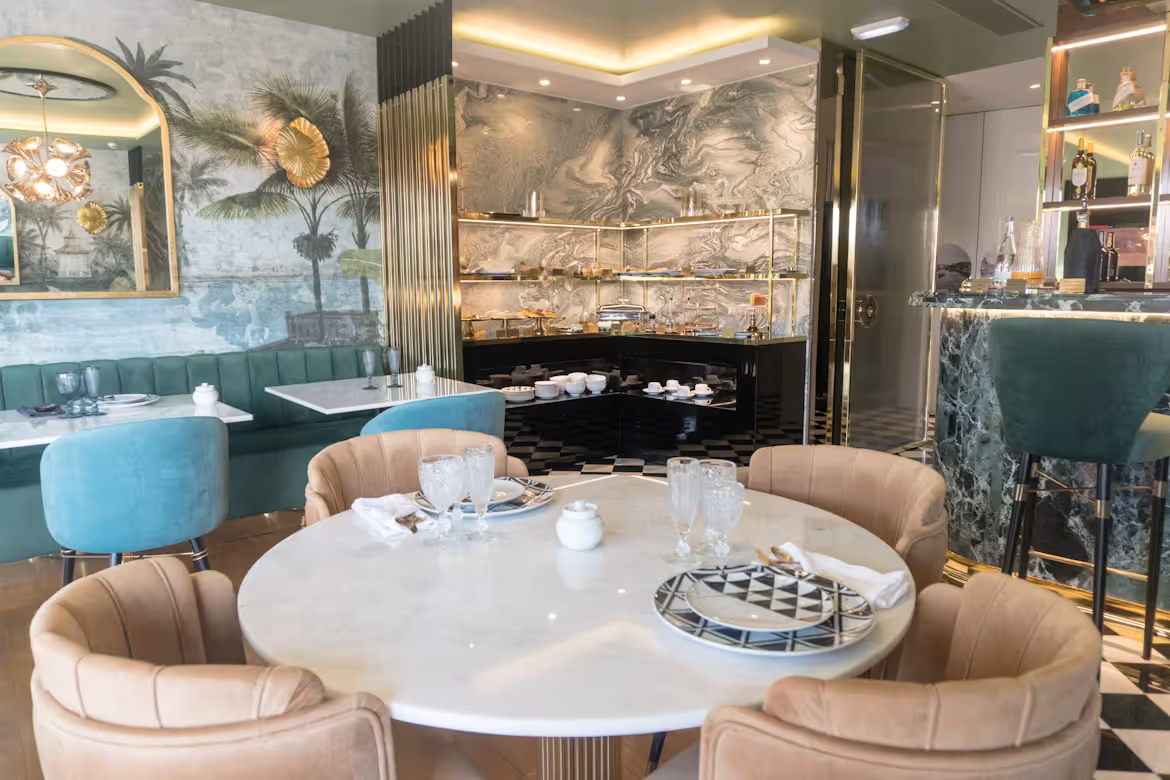
Guests often remember a remarkable restaurant long after the final course has been served. While exceptional food naturally takes center stage, the environment in which it is enjoyed plays an equally important role. Architecture, interior design, lighting, acoustics, and carefully selected materials all influence how a meal is experienced.
Today's most celebrated restaurants understand that design is not simply decoration. Every decision, from the entrance to the final table setting, contributes to a story that begins before the first dish arrives. A beautifully designed dining room creates anticipation, encourages conversation, and allows guests to feel comfortable enough to focus entirely on the experience.
The best restaurant interiors never compete with the food. Instead, they quietly support it, creating an atmosphere where cuisine and hospitality work together in perfect balance.
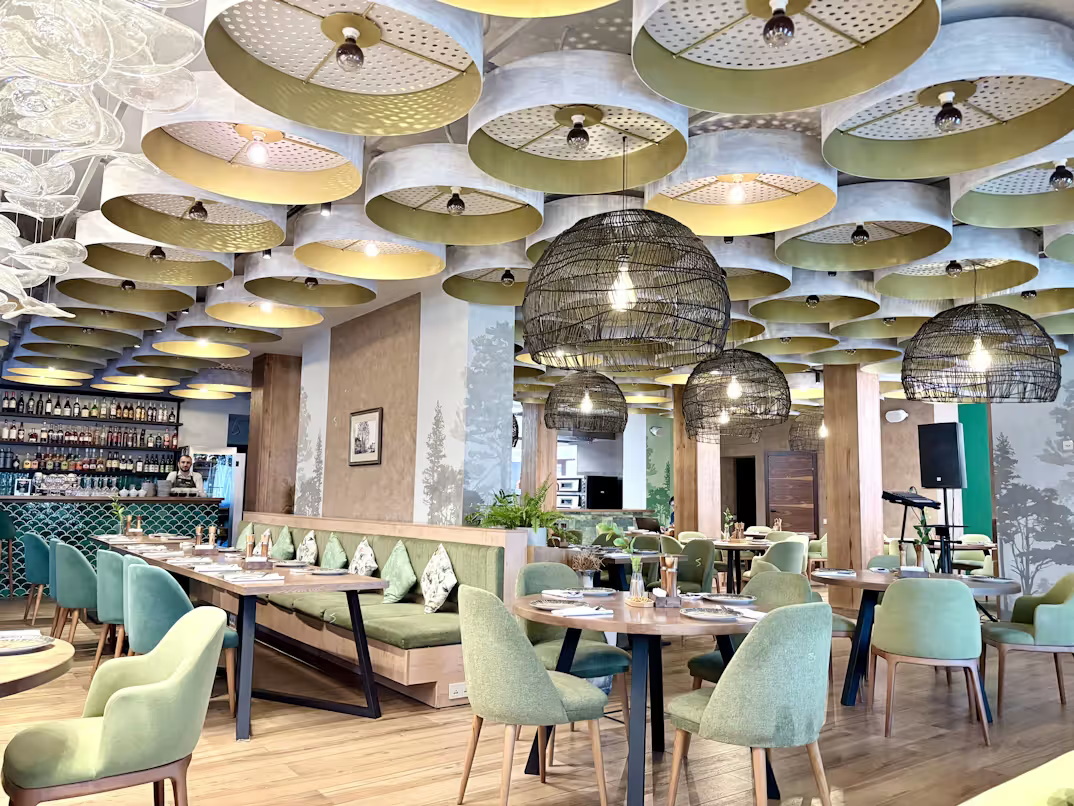
Every Detail Shapes the Experience
Design begins with understanding how people move through a restaurant.
The entrance should feel welcoming without being overwhelming. Waiting areas need to be comfortable, while dining rooms should offer both openness and privacy. Successful layouts allow guests to enjoy their conversations without feeling isolated, and they help staff move efficiently without interrupting the rhythm of the meal.
Table spacing also influences comfort. Well-planned restaurants provide enough room for privacy while maintaining an energetic atmosphere. This careful balance creates spaces that feel lively rather than crowded.
Lighting is equally important. Soft, layered illumination enhances the presentation of each dish while creating warmth throughout the room. Excessively bright lighting can make a restaurant feel clinical, while overly dim spaces make it difficult for guests to appreciate both the food and the company around them.
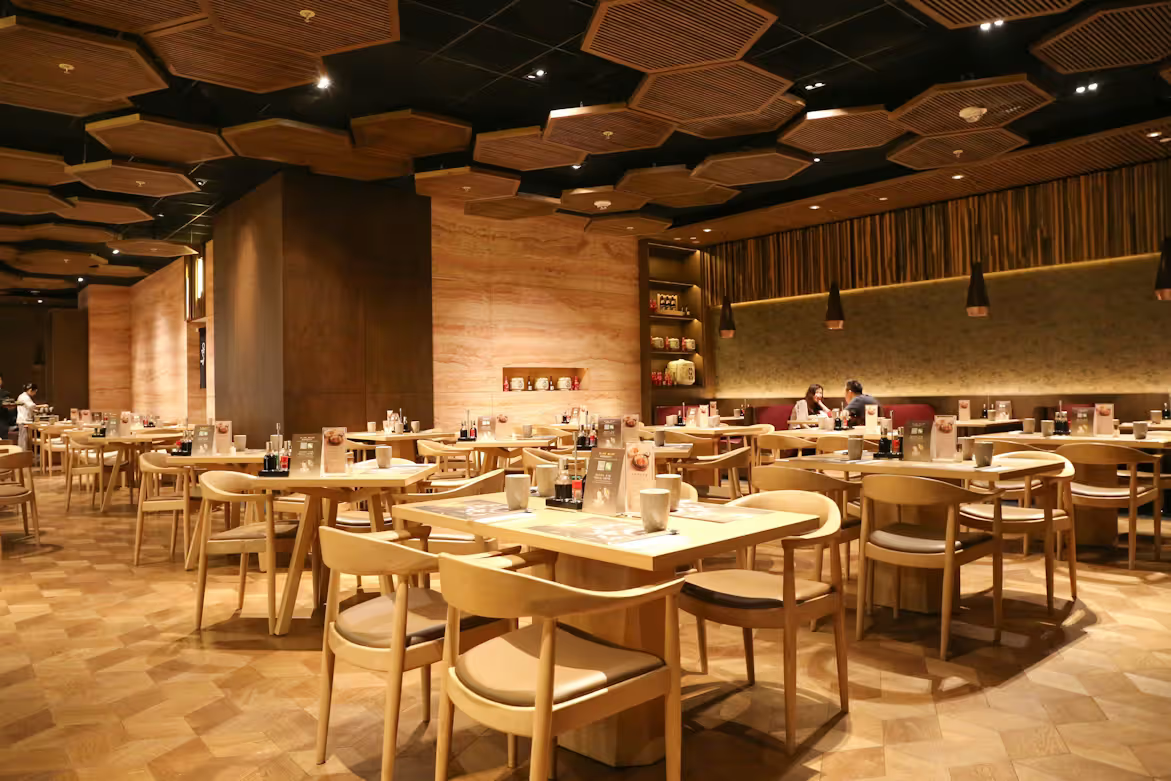
Choosing Materials That Tell a Story
Many of the world's finest restaurants rely on honest, natural materials rather than elaborate decoration.
Timber introduces warmth, stone adds permanence, linen softens the space, and handcrafted ceramics reinforce a sense of craftsmanship. These materials age gracefully and create interiors that remain timeless rather than following short-lived trends.
Texture also plays an important role. Matte finishes reduce glare, upholstered seating improves comfort, and natural fabrics help soften acoustics, making conversations easier even in busy dining rooms.
When carefully combined, these elements create environments that feel welcoming, refined, and authentic.
Open Kitchens Build Trust
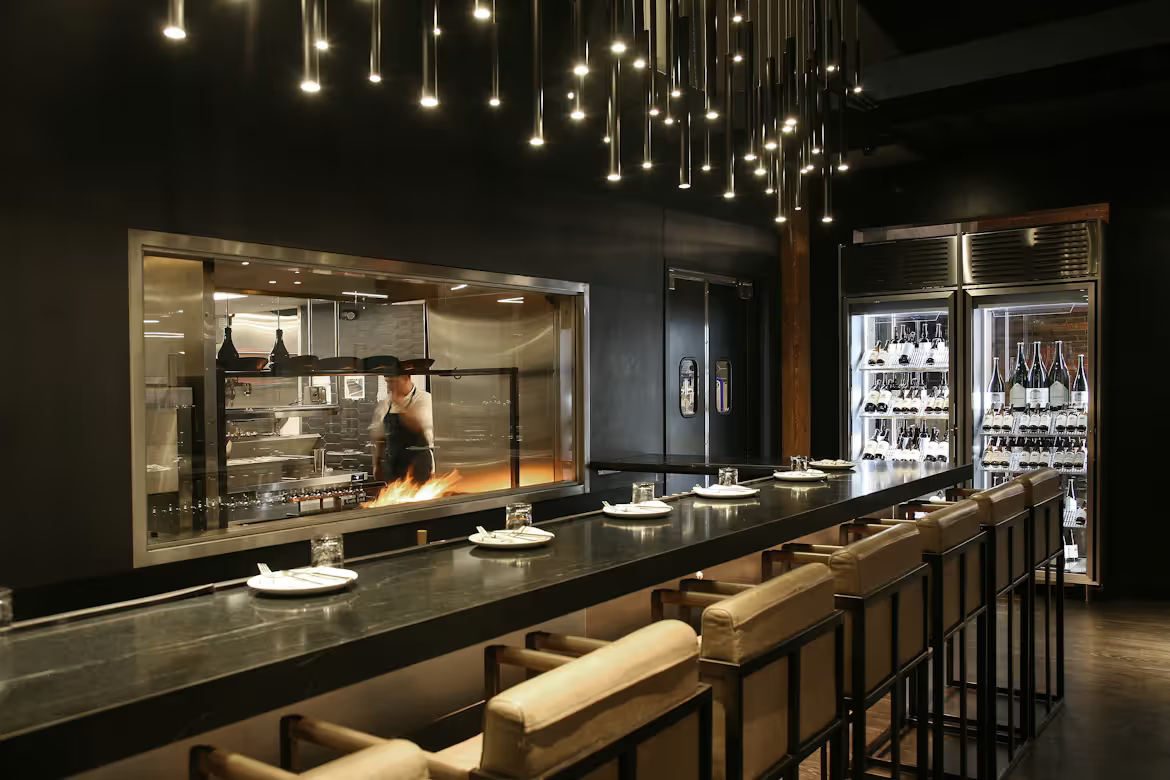
One of the defining features of contemporary restaurant design is the open kitchen.
By allowing guests to observe chefs at work, restaurants create transparency and strengthen the connection between the dining room and the kitchen. Guests gain a greater appreciation for the precision, teamwork, and craftsmanship required to prepare each course.
Open kitchens also add movement and energy to a restaurant without becoming distracting. Watching chefs carefully plate dishes or coordinate service reminds diners that every meal is the result of collaboration and skill.
For many restaurants, this visibility has become an important part of the overall experience.
Designing for Comfort, Not Just Appearance
Beautiful interiors succeed only when they also function well.
Comfortable seating, balanced acoustics, thoughtful climate control, and intuitive layouts all contribute to a positive dining experience. Guests should feel relaxed enough to enjoy a leisurely meal without noticing the practical systems working quietly in the background.
Accessibility is equally important. Contemporary restaurants increasingly design spaces that welcome every guest, ensuring entrances, circulation paths, and seating arrangements are inclusive and easy to navigate.
When functionality and aesthetics work together, restaurant design becomes almost invisible—allowing the food, hospitality, and conversation to take center stage.
Final Thoughts
Exceptional restaurant design is never about creating dramatic spaces for photographs alone. Its true purpose is to support the people who cook, serve, and gather within it.
From carefully selected materials and balanced lighting to thoughtful layouts and welcoming atmospheres, every design decision contributes to a memorable dining experience. The finest restaurants remind us that remarkable meals are shaped not only by the menu but also by the spaces where those stories unfold.
As contemporary hospitality continues to evolve, restaurant design will remain one of the most powerful tools for creating experiences guests are eager to return to.

Thomas Ashworth
Thomas Ashworth focuses on restaurant design, open kitchens, hospitality interiors, and the spaces shaping memorable dining experiences.
Keep Reading
More stories you might enjoy
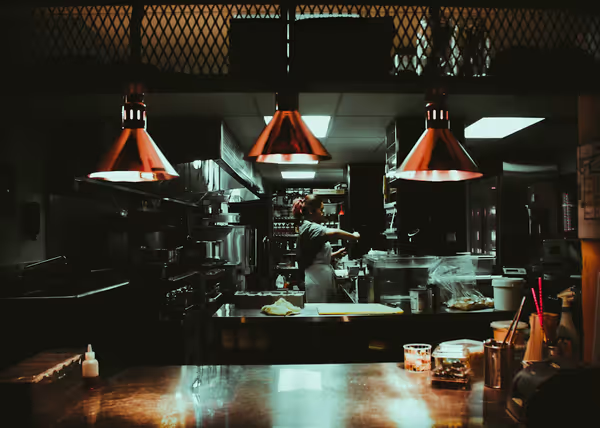
Open kitchens have transformed modern restaurants by inviting guests to experience the precision, teamwork, and craftsmanship that shape every memorable meal.
Discussion
Share your thoughts on this story