
Fire and Flavor: Why Live-Fire Cooking Is Inspiring a New Generation of Chefs.
Across the world's leading restaurants, chefs are returning to open flames, wood-fired ovens, and charcoal grills to create dishes defined by simplicity, precision, and unforgettable flavor.

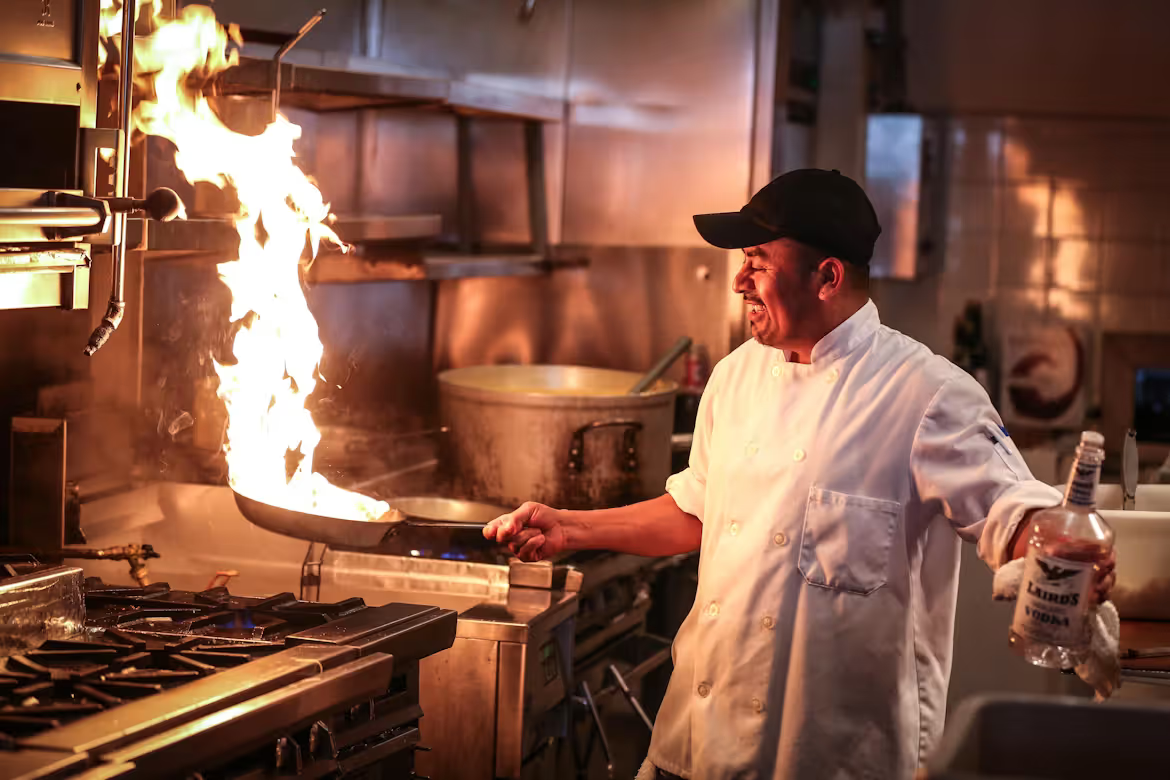
Before modern kitchens were filled with precision ovens and induction cooktops, every memorable meal began with fire. For centuries, cooks relied on wood, charcoal, and glowing embers to roast meat, bake bread, and bring out the natural sweetness hidden inside vegetables. While technology has transformed professional kitchens, many of today's most celebrated chefs are returning to these traditional methods—not out of nostalgia, but because nothing else creates quite the same depth of flavor.
Across contemporary restaurants, open flames have become more than a cooking technique. They have become a philosophy centered on patience, craftsmanship, and respect for exceptional ingredients. Rather than hiding food behind complex sauces or elaborate presentation, chefs are allowing smoke, heat, and careful timing to become part of the story.
The result is cuisine that feels both timeless and refreshingly modern.
Cooking That Begins With Simplicity
Live-fire cooking demands confidence. Unlike digital equipment where temperatures remain constant, fire is always changing. Flames rise and fall, embers shift, and every ingredient responds differently to the heat.
This unpredictability is exactly what attracts many chefs. Cooking over fire encourages instinct as much as technique. A perfectly grilled fish, blistered vegetables, or slow-roasted cut of meat depends on constant attention rather than automation.
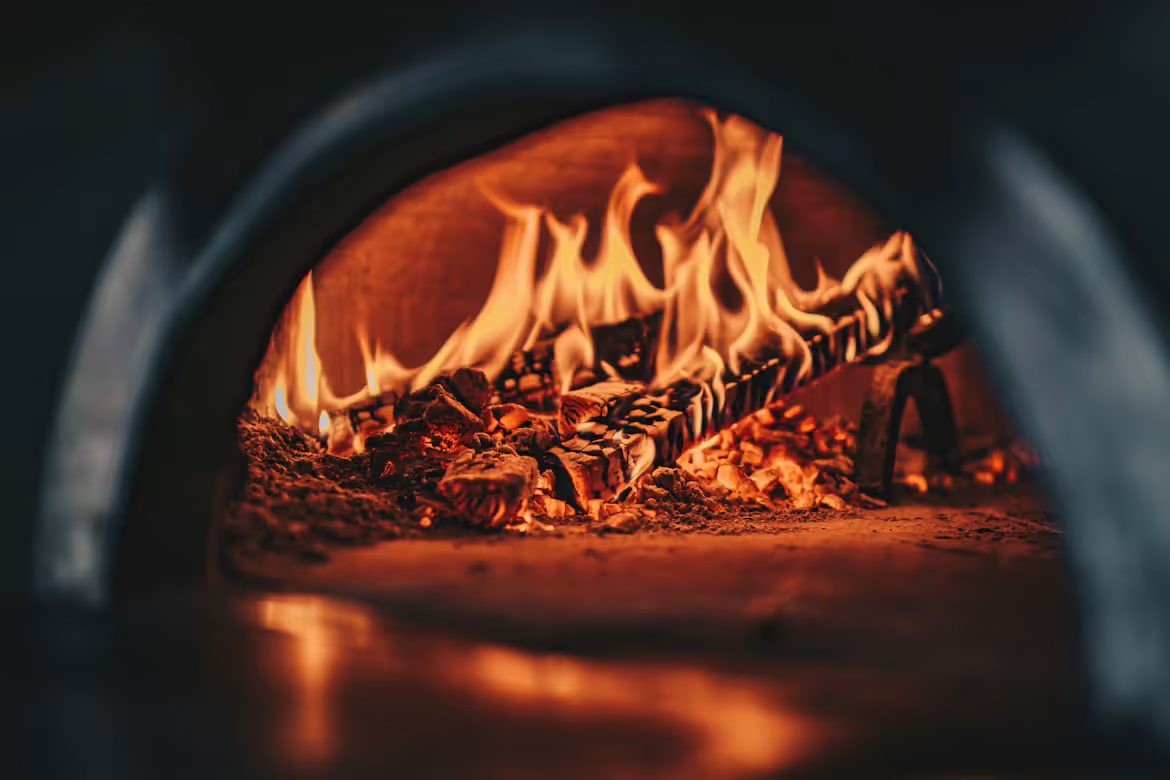
Many restaurants also use locally sourced hardwoods that contribute subtle aromas without overwhelming the ingredients. Oak, beech, and fruit woods each produce distinctive characteristics, allowing chefs to create layers of flavor through the cooking process itself.
The beauty of fire lies in its restraint. It enhances rather than disguises the natural qualities of exceptional produce.
Seasonal Ingredients Shine Over Fire
One reason live-fire cooking has become so influential is its ability to highlight seasonal ingredients with remarkable simplicity.
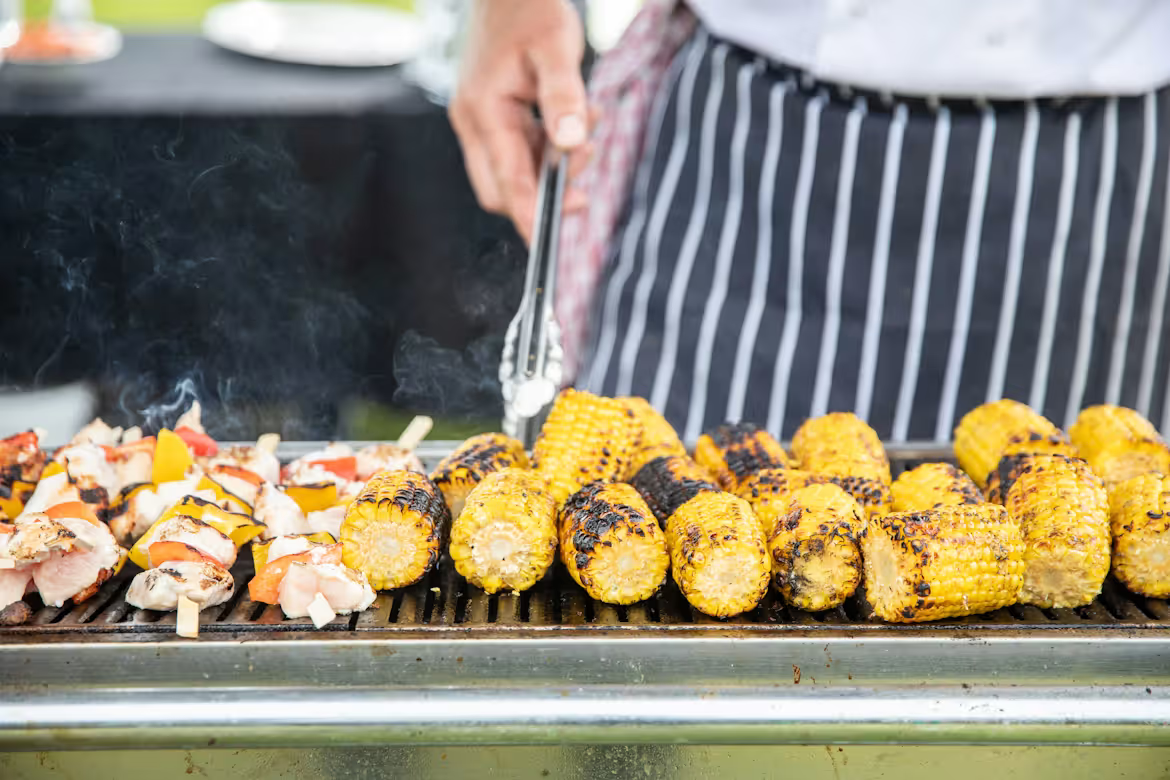
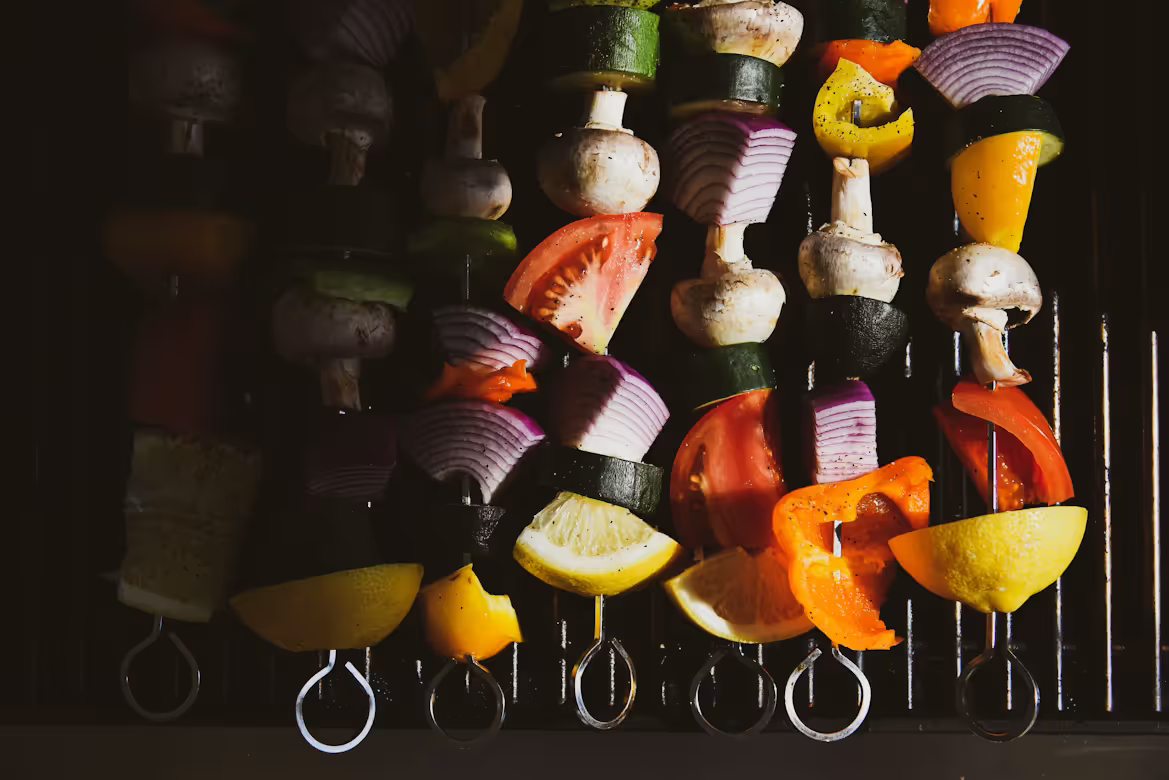
Fresh asparagus develops a delicate smokiness in spring. Summer tomatoes become sweeter with gentle charring, while autumn squash gains rich caramelized notes after roasting over glowing embers. Even humble vegetables reveal surprising complexity when cooked with patience and care.
This approach aligns perfectly with the philosophy of many modern restaurants, where menus change with the seasons and ingredients are sourced from nearby farms. Rather than relying on complicated preparation, chefs trust exceptional produce and thoughtful cooking to create memorable dishes.
The result feels honest, approachable, and deeply connected to the landscape from which the ingredients came.
More Than a Technique
Open-fire cooking also transforms the atmosphere of a restaurant. Guests seated near the kitchen often watch flames dance beneath cast-iron pans or hear the gentle crackle of burning wood throughout the evening. These sights and sounds create a sense of anticipation long before the first course reaches the table.
For chefs, working with fire requires teamwork and constant communication. Every member of the kitchen must understand timing, temperature, and the rhythm of service. The process is demanding, yet it often produces dishes that feel wonderfully uncomplicated.
Perhaps that is why live-fire cooking continues to resonate with both chefs and diners. It reminds us that extraordinary cuisine does not always depend on advanced technology. Sometimes, the oldest methods remain the most rewarding.
Final Thoughts
The revival of live-fire cooking reflects a broader movement within contemporary gastronomy—one that values authenticity, craftsmanship, and respect for ingredients above unnecessary complexity.
Whether preparing seafood over charcoal, baking bread in a wood-fired oven, or roasting vegetables above glowing embers, chefs are rediscovering techniques that have shaped great cooking for generations.
In an era defined by innovation, the return to fire proves that some of the most remarkable culinary experiences begin with the simplest elements: quality ingredients, skilled hands, and the warmth of an open flame.

Marcus Chen
Marcus Chen reports on Asian gastronomy, Michelin Guide destinations, modern tasting menus, and the chefs redefining contemporary cuisine.
Keep Reading
More stories you might enjoy
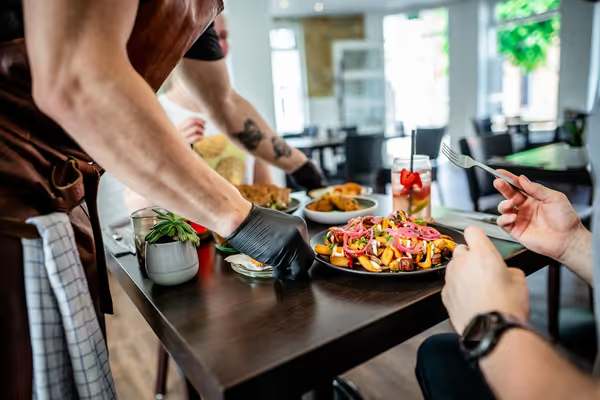
Outstanding cuisine may attract guests, but exceptional hospitality inspires them to return. Discover how thoughtful service transforms every meal into a memorable dining experience.

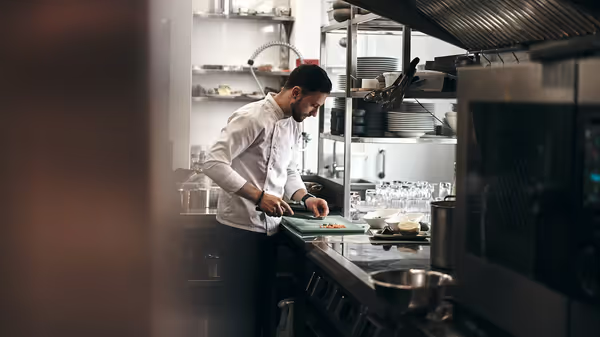
Meet the chefs reshaping modern gastronomy through seasonal ingredients, sustainable practices, and thoughtful dining experiences that place creativity before convention.

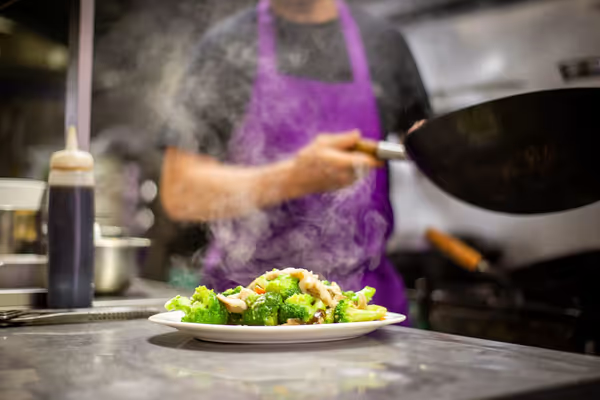
The world's finest restaurants constantly reinvent their menus by embracing seasonal ingredients, local harvests, and the natural rhythm of every season.
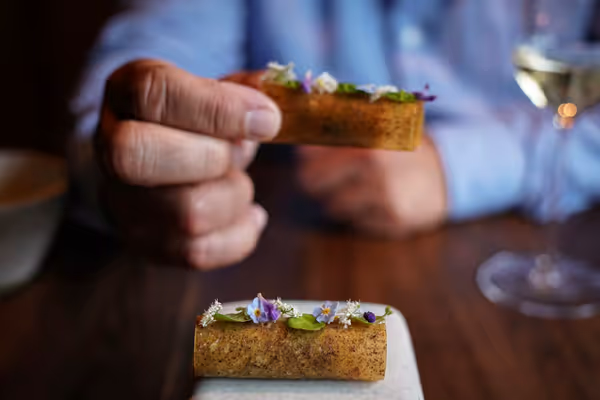
Michelin stars represent far more than prestige. Discover the principles, precision, consistency, and craftsmanship that define the world's most respected restaurants.

Discussion
Share your thoughts on this story