
The Art of Seasonal Menus: Why Great Restaurants Never Stand Still.
The world's finest restaurants constantly reinvent their menus by embracing seasonal ingredients, local harvests, and the natural rhythm of every season.

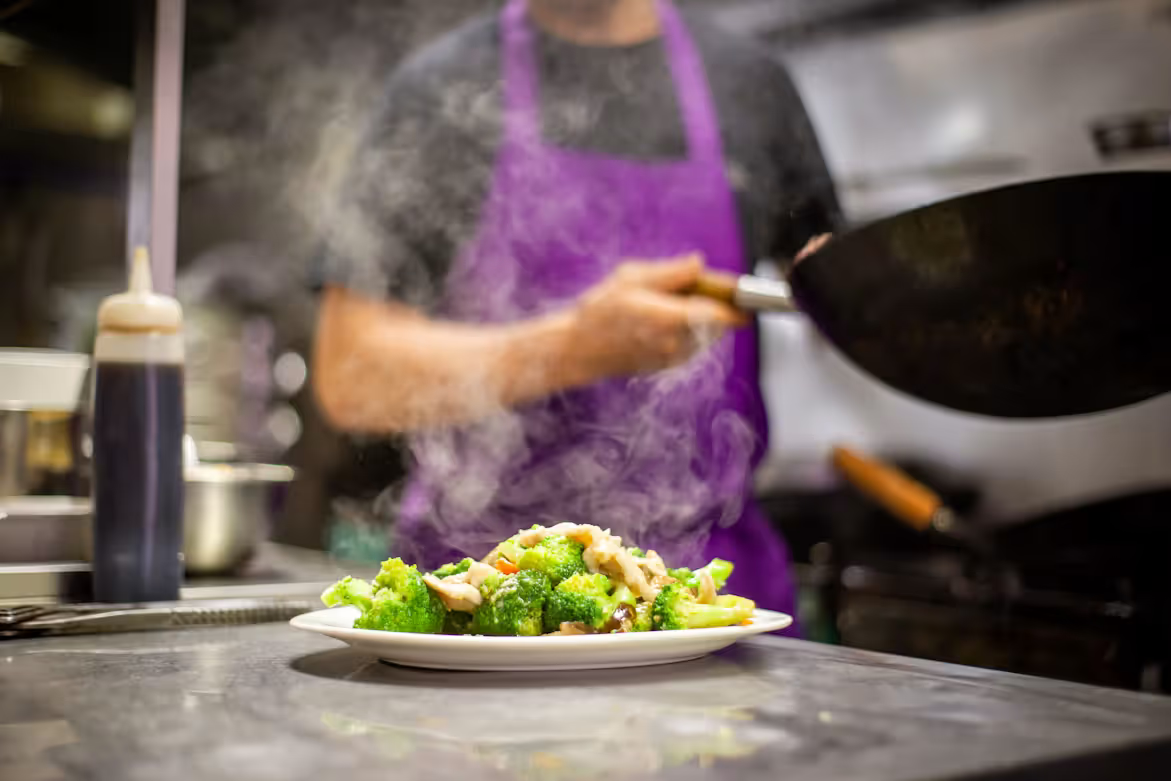
One of the defining characteristics of exceptional restaurants is their willingness to evolve. Rather than serving the same dishes throughout the year, many chefs allow the changing seasons to shape every menu they create. This approach celebrates freshness, encourages creativity, and strengthens the connection between restaurants and local producers.
Seasonal cooking is not about following trends—it is about respecting nature's rhythm. Ingredients harvested at their peak require less intervention in the kitchen because their flavor, texture, and aroma are already at their best.
For diners, this means every visit offers a slightly different experience, reflecting the unique character of the season.
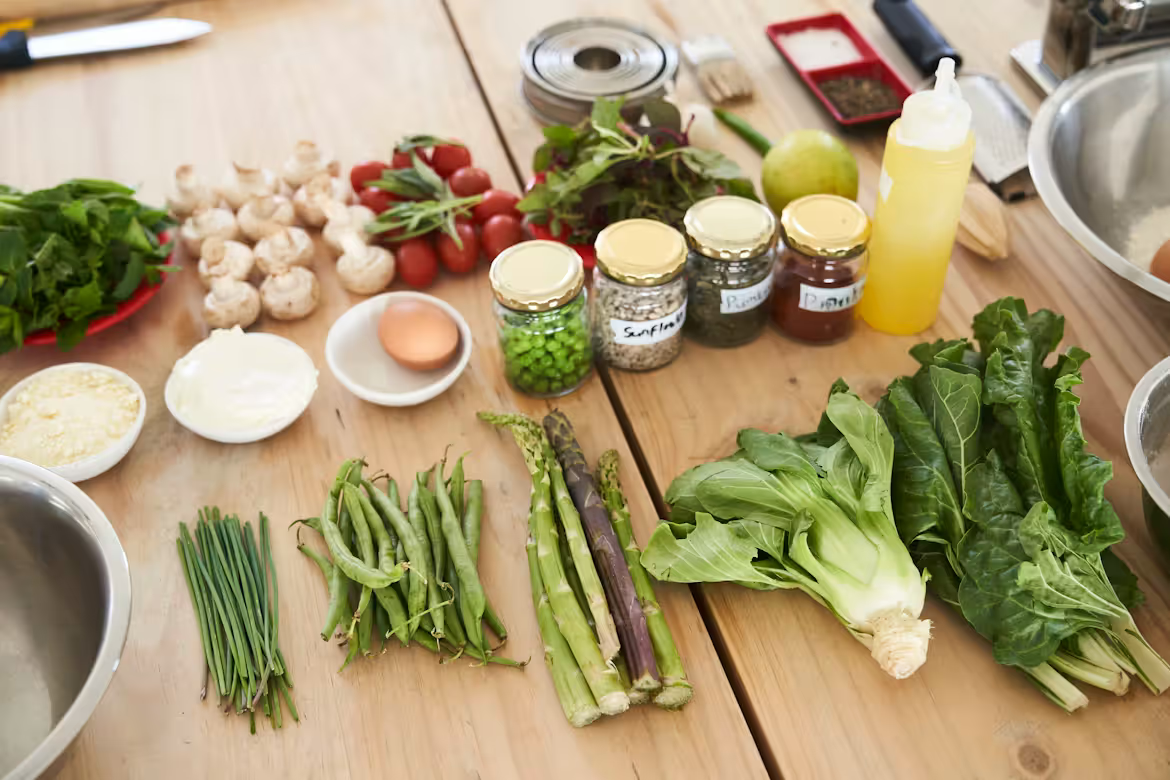
Every Season Brings New Inspiration
Spring introduces delicate greens, asparagus, peas, herbs, and edible flowers.
Summer celebrates tomatoes, berries, stone fruits, seafood, and vibrant produce that thrives in warmer weather.
Autumn brings earthy mushrooms, pumpkins, root vegetables, apples, and rich game meats.
Winter encourages slow-cooked dishes, preserved ingredients, citrus fruits, and comforting flavors that reflect colder months.
By embracing these natural cycles, chefs create menus that always feel fresh and relevant.
Working With Local Farmers
Seasonal menus depend on strong relationships with local producers.
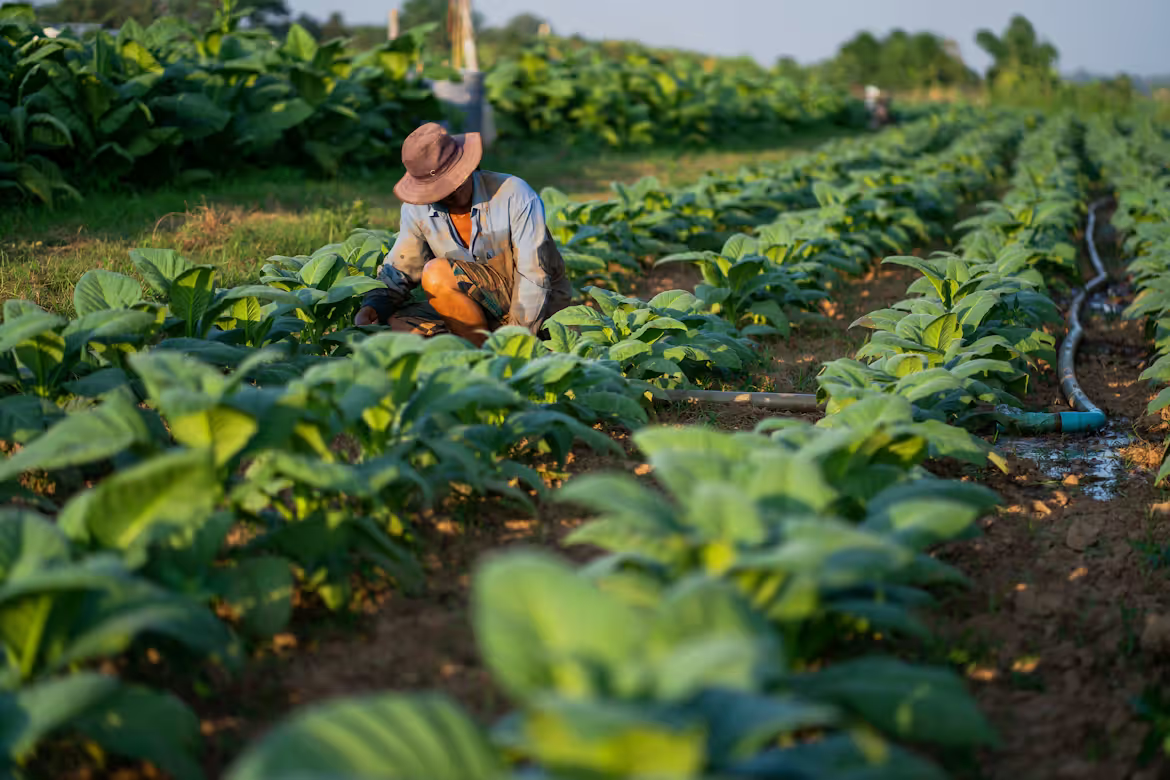
Many restaurants communicate directly with nearby farms, fisheries, and artisan growers to understand what will become available in the coming weeks.
Rather than ordering ingredients from large distributors months in advance, chefs often adapt their menus according to daily harvests.
This flexibility allows kitchens to highlight exceptional produce while reducing unnecessary transportation and supporting regional agriculture.
Creativity Through Limitation
Surprisingly, limiting ingredient choices often inspires greater creativity.
Instead of relying on imported products throughout the year, chefs learn to maximize the potential of what each season naturally provides.
Simple vegetables become elegant dishes through thoughtful preparation, fermentation, smoking, roasting, or careful pairing with complementary flavors.
These seasonal limitations encourage innovation while preserving authenticity.
Better for Guests and the Environment
Seasonal cooking benefits both diners and the planet.
Ingredients require less transportation, fresher produce reaches the kitchen faster, and menus reflect responsible sourcing practices.
Guests also gain a deeper appreciation for regional food traditions and discover flavors that are often overlooked in year-round commercial production.
Restaurants embracing seasonality demonstrate that sustainability and exceptional dining can work together beautifully.
Final Thoughts
Seasonal menus remind us that remarkable cuisine begins with respecting nature's calendar.
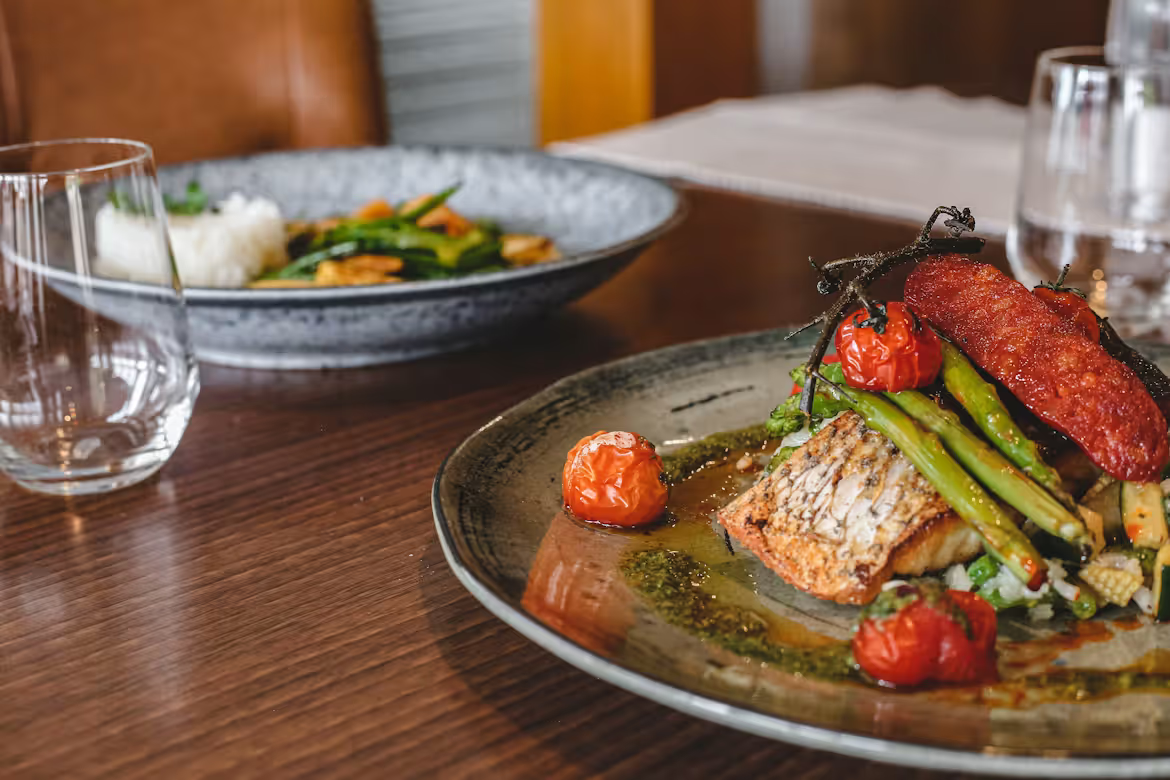
Rather than offering endless choice, great restaurants focus on serving the very best ingredients available at exactly the right time. This philosophy strengthens relationships with local producers, inspires creativity in the kitchen, and provides guests with dining experiences that change naturally throughout the year.
The result is food that feels more honest, more vibrant, and more closely connected to the places where it is created.

Genevieve Laurent
Genevieve Laurent specializes in French cuisine, artisan producers, seasonal ingredients, and the culinary traditions shaping modern gastronomy.
Keep Reading
More stories you might enjoy

Cultured butter has become one of the quiet stars of modern fine dining, proving that extraordinary ingredients often create the most memorable moments at the table.

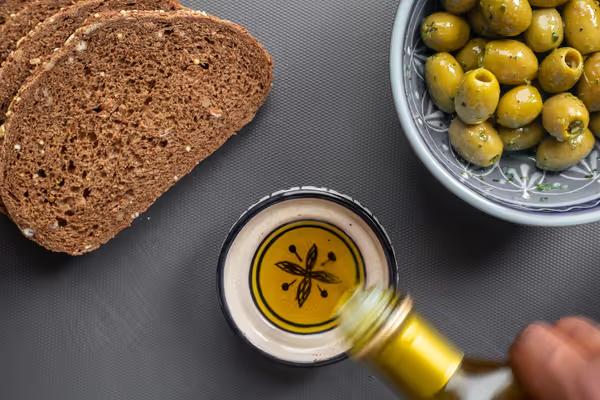
Extra virgin olive oil is more than a cooking ingredient. Discover how careful cultivation, skilled producers, and exceptional harvests make it one of the world's most celebrated culinary essentials.
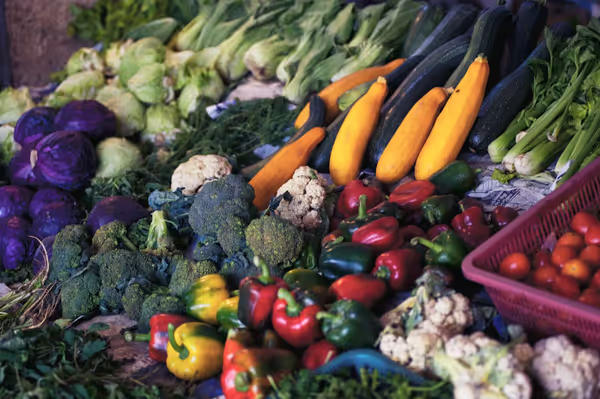
From historic market halls to neighborhood farmers' markets, discover how local food markets preserve culinary traditions while connecting travelers with authentic regional flavors.
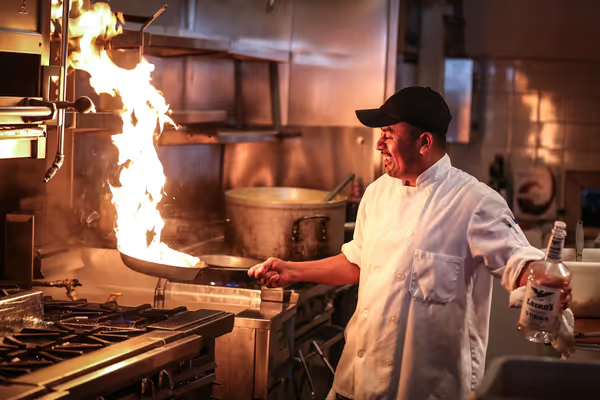
Across the world's leading restaurants, chefs are returning to open flames, wood-fired ovens, and charcoal grills to create dishes defined by simplicity, precision, and unforgettable flavor.
Discussion
Share your thoughts on this story