
Liquid Gold: Why Extra Virgin Olive Oil Is the Foundation of Great Cooking.
Extra virgin olive oil is more than a cooking ingredient. Discover how careful cultivation, skilled producers, and exceptional harvests make it one of the world's most celebrated culinary essentials.

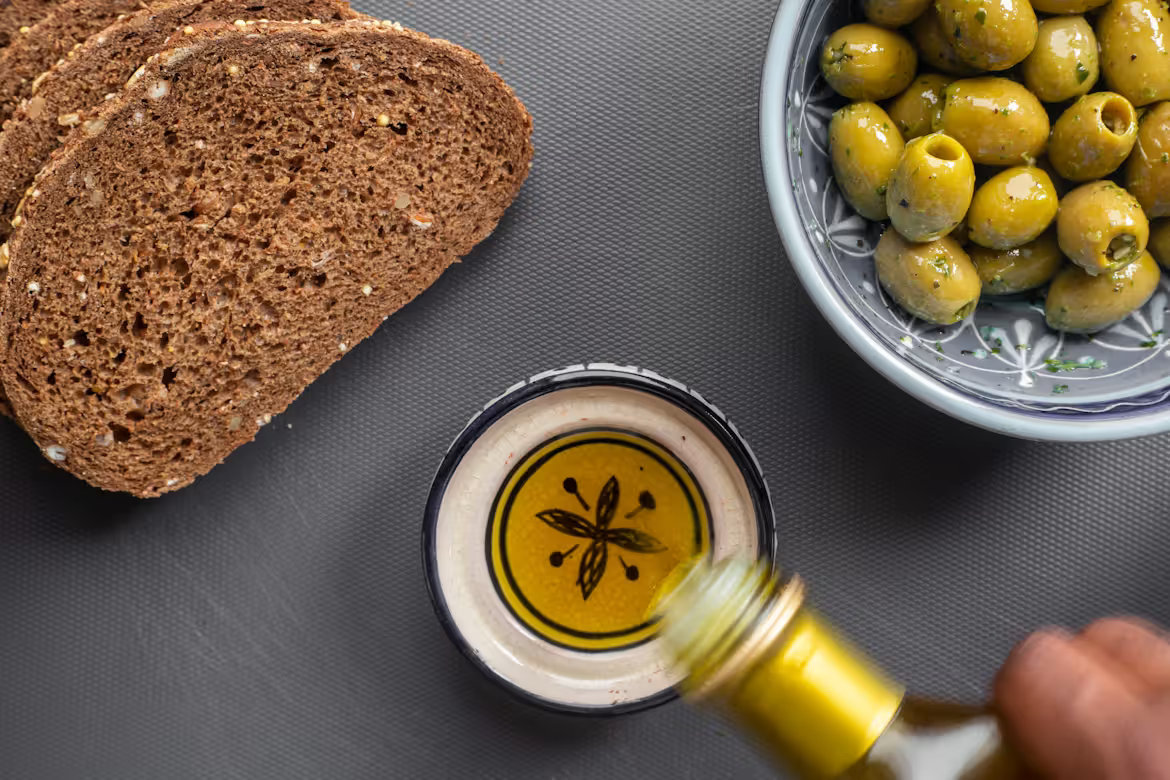
Few ingredients have influenced world cuisine as profoundly as extra virgin olive oil. Used for centuries across professional kitchens and family tables alike, it remains one of the purest expressions of craftsmanship, agriculture, and regional tradition.
Despite containing only one ingredient, exceptional olive oil possesses remarkable complexity. Depending on the olive variety, harvest timing, and production methods, it can reveal notes of fresh grass, green tomato, almond, citrus, herbs, or pepper. These natural characteristics make every bottle unique, allowing chefs to select oils that complement specific ingredients rather than simply adding richness.
In modern fine dining, olive oil is treated with the same respect often reserved for exceptional wine. Chefs finish dishes with carefully chosen oils, pastry chefs incorporate delicate varieties into desserts, and sommeliers increasingly include olive oil tastings as part of the culinary experience.
Rather than hiding behind sauces, olive oil celebrates the natural beauty of outstanding ingredients.
Quality Begins at Harvest
Exceptional olive oil begins long before the bottle reaches the table.
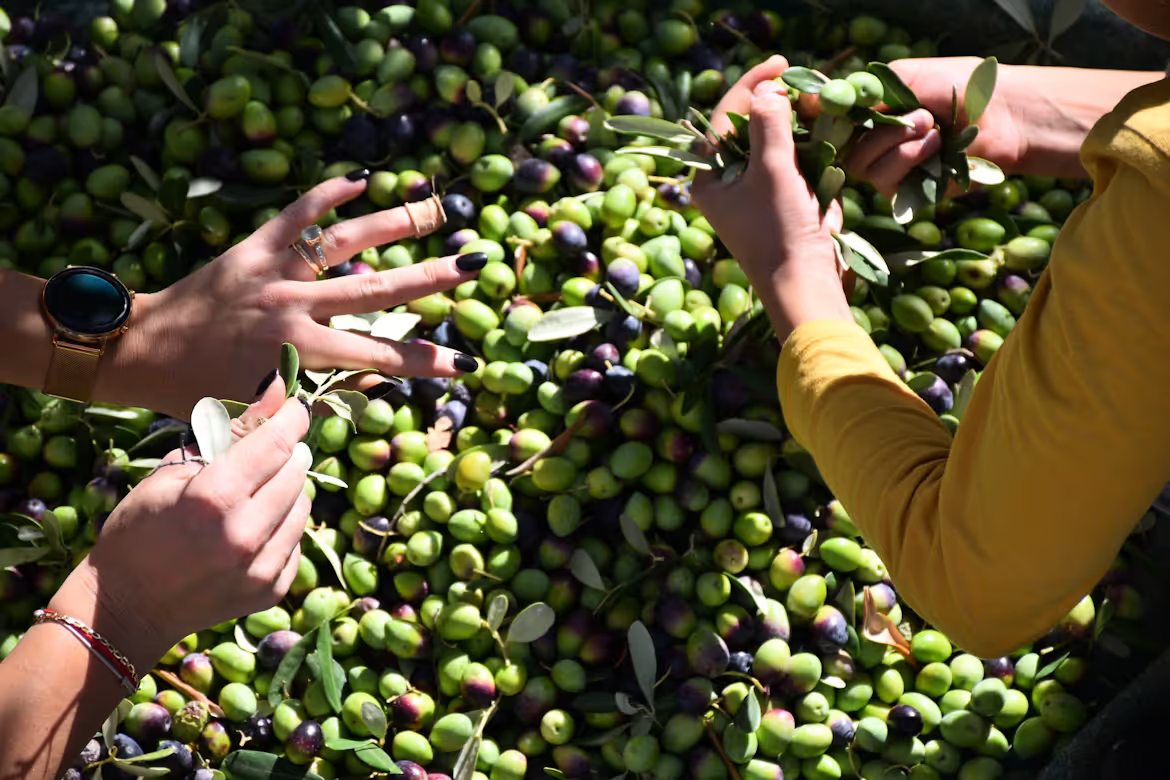
Producers carefully monitor the ripening of every olive, harvesting fruit at precisely the right moment to achieve the desired balance of freshness, aroma, and intensity. Once picked, olives are transported quickly to the mill, where they are crushed within hours to preserve their delicate flavors.
Temperature control during extraction plays an equally important role. Cold extraction helps retain aromatic compounds and natural antioxidants while protecting the oil's vibrant character.
This careful process explains why premium olive oil reflects not only the quality of the fruit but also the expertise of the people producing it.
More Than a Cooking Ingredient
The finest chefs rarely think of olive oil as simply something to cook with.
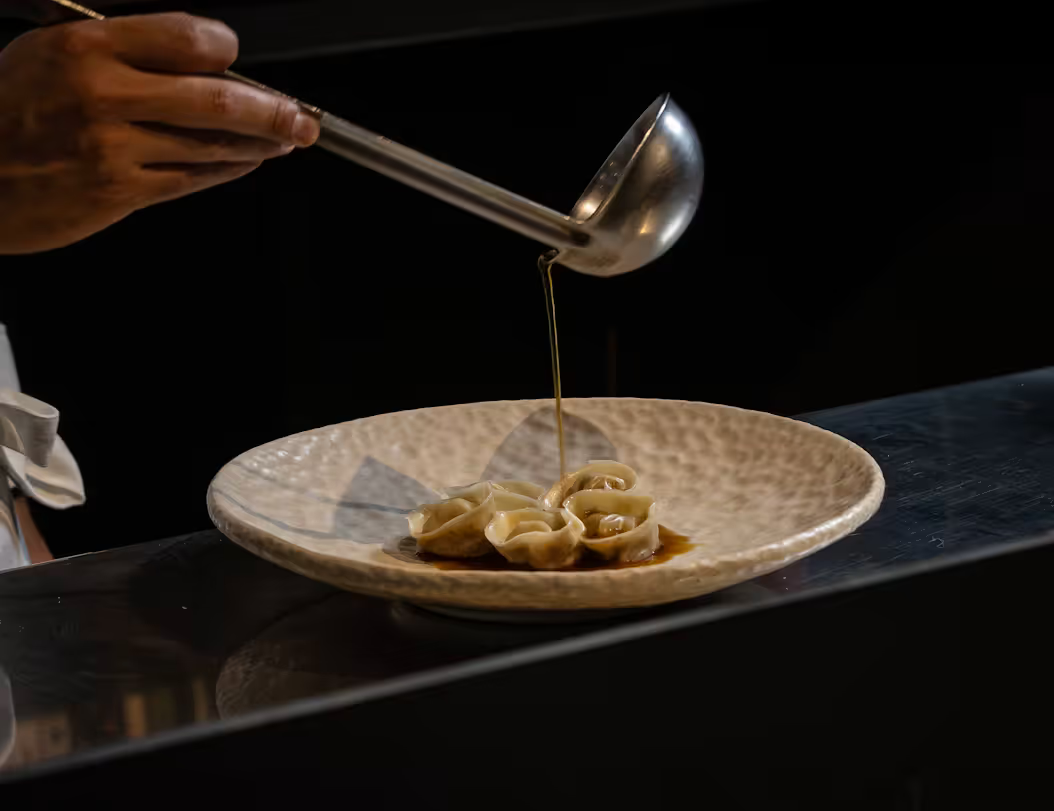
Instead, it becomes a finishing ingredient capable of transforming a dish moments before it reaches the table. A few drops can brighten grilled seafood, enrich fresh burrata, enhance roasted vegetables, or add complexity to handmade pasta.
Different oils also suit different purposes. Delicate varieties complement fresh salads and mild cheeses, while more robust oils pair beautifully with grilled meats, legumes, and rustic breads.
This versatility makes olive oil one of the most valuable ingredients in both professional kitchens and home cooking.
Why Chefs Choose Artisan Producers
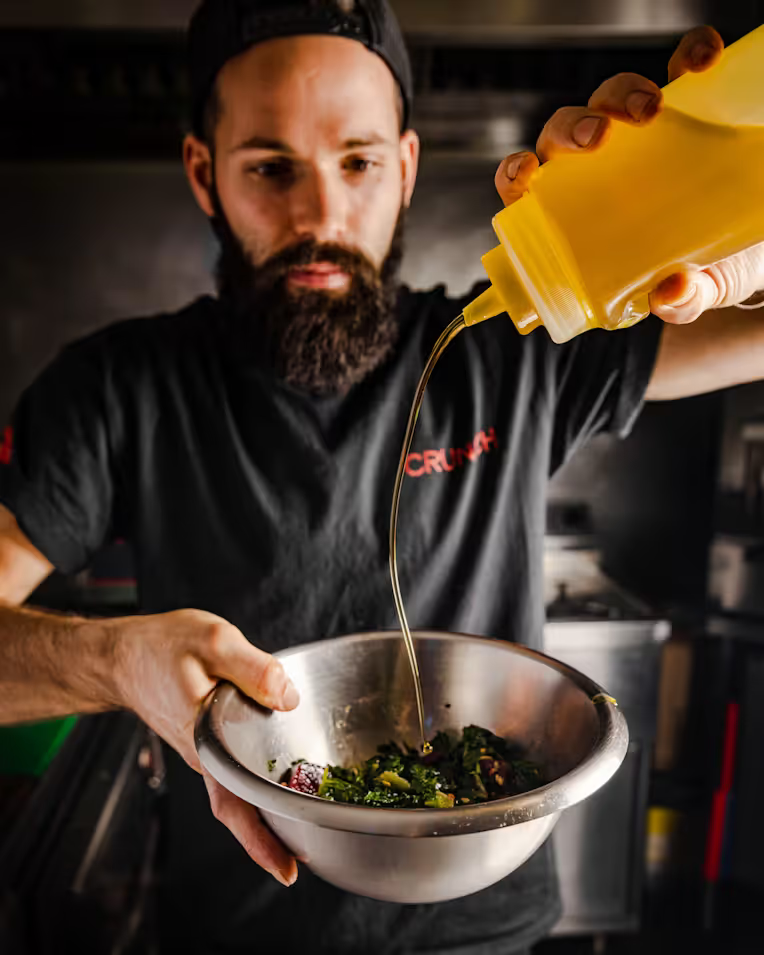
Many leading restaurants now source olive oil directly from independent producers.
These partnerships provide access to limited harvests, estate-grown olives, and oils whose freshness can be traced back to a specific grove and season. By working closely with artisan producers, chefs gain ingredients that reflect authenticity rather than mass production.
Guests increasingly appreciate these stories. Knowing where an olive oil was grown and how it was produced creates a stronger connection between the plate and the people behind it.
This transparency has helped elevate olive oil from a pantry staple to one of fine dining's most celebrated ingredients.
Final Thoughts
Extra virgin olive oil reminds us that extraordinary cooking often begins with extraordinary ingredients.
Behind every bottle lies the dedication of growers, millers, and artisan producers whose commitment to quality shapes every harvest. Their work allows chefs to create dishes that feel vibrant, balanced, and deeply connected to the land.
Whether drizzled over warm bread, paired with seasonal vegetables, or used to finish an elegant tasting menu, exceptional olive oil continues to prove that simplicity and craftsmanship often create the greatest culinary experiences.

Genevieve Laurent
Genevieve Laurent specializes in French cuisine, artisan producers, seasonal ingredients, and the culinary traditions shaping modern gastronomy.
Keep Reading
More stories you might enjoy
Charcuterie is more than a selection of cured meats. It is a centuries-old craft built on patience, precision, and respect for traditional techniques that continue to inspire chefs around the world.

Cultured butter has become one of the quiet stars of modern fine dining, proving that extraordinary ingredients often create the most memorable moments at the table.

Across the world, artisan bakeries are bringing traditional bread-making back into the spotlight through natural fermentation, local grains, and handcrafted techniques.

Discover how specialty coffee has transformed from a daily ritual into a global movement built on craftsmanship, sustainability, and exceptional quality.
Discussion
Share your thoughts on this story