
Why Artisan Bakeries Are Leading a New Bread Renaissance.
Across the world, artisan bakeries are bringing traditional bread-making back into the spotlight through natural fermentation, local grains, and handcrafted techniques.

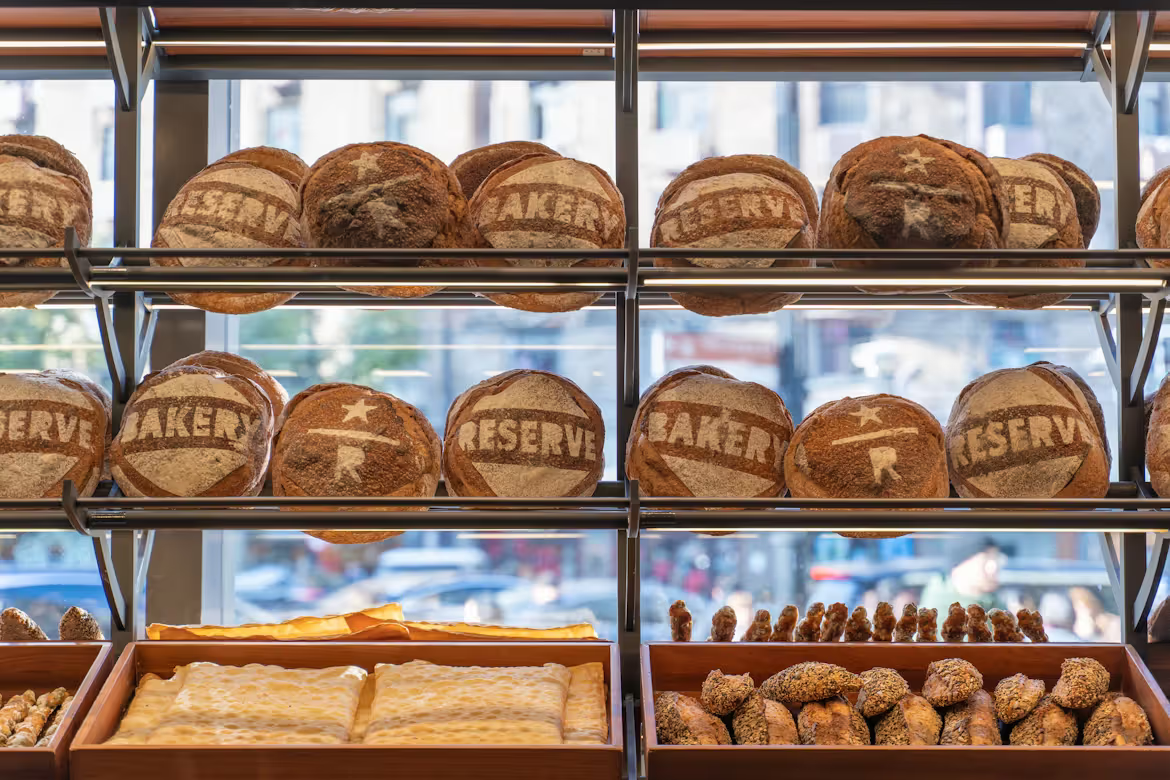
Few foods are as universal as bread. For thousands of years it has been a daily staple, connecting cultures through recipes, traditions, and local ingredients. Yet in recent decades, industrial production transformed bread into a convenient commodity, often sacrificing flavor, texture, and craftsmanship in the pursuit of speed and consistency.
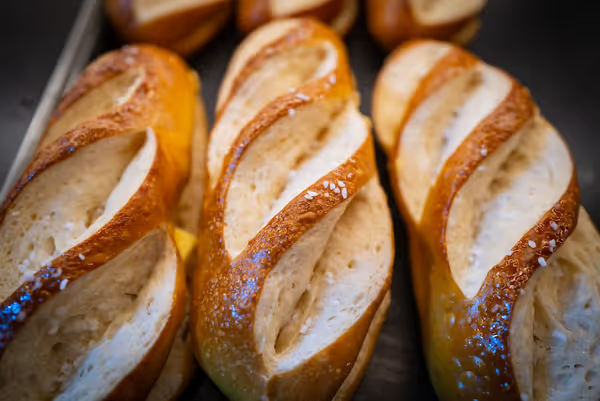
Today, a new generation of artisan bakers is changing that story. Across cities, villages, and rural communities, independent bakeries are rediscovering traditional techniques that celebrate patience rather than shortcuts. Long fermentation, stone-milled flour, natural sourdough starters, and locally grown grains are once again becoming the foundation of exceptional bread.
This movement is about far more than nostalgia. It reflects a growing appreciation for craftsmanship, sustainability, and the belief that simple ingredients can produce extraordinary results when treated with care.
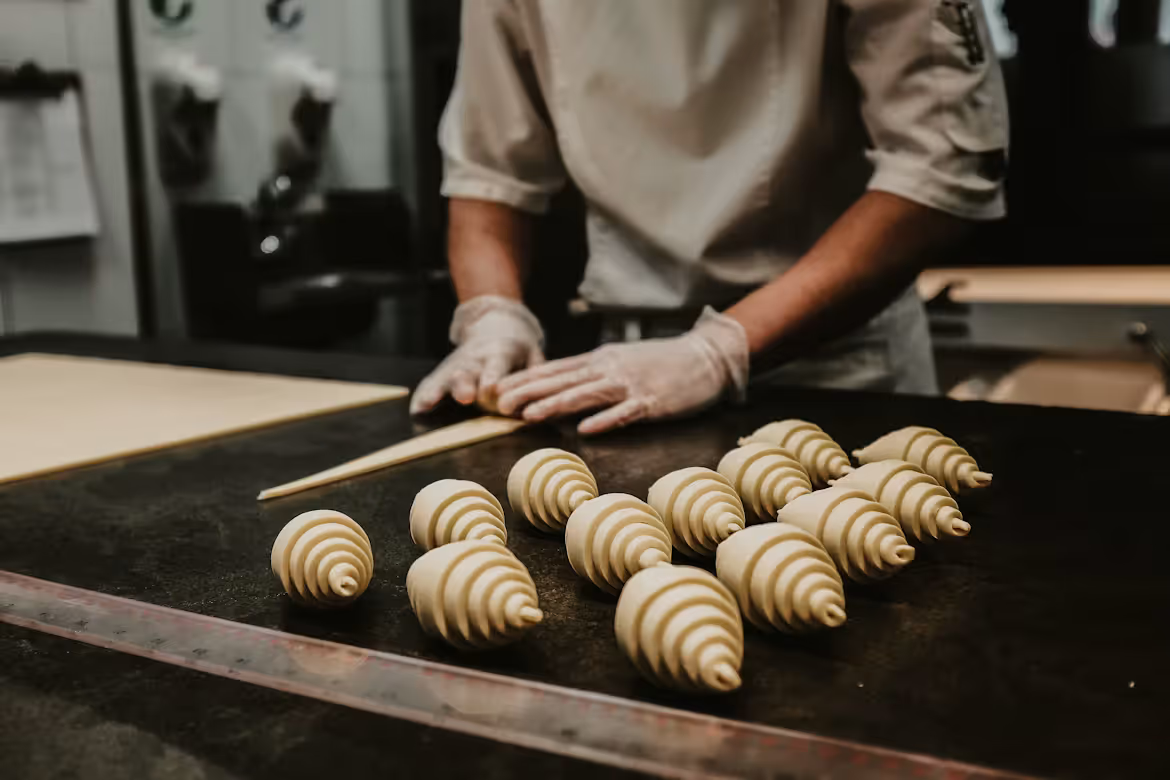
The Return of Slow Fermentation
One of the defining characteristics of artisan bread is time.
Unlike commercial bread that may be mixed, proofed, and baked within hours, naturally fermented dough develops slowly. This extended process allows flavors to deepen while improving texture and creating the crisp crust and open crumb that define high-quality sourdough.
Many bakers rely on natural starters that have been carefully maintained for years. These living cultures create distinctive flavors unique to each bakery and reflect the surrounding environment in subtle ways.
The result is bread with complexity, character, and a connection to place that cannot be replicated through industrial methods.
Flour Matters More Than Ever
Exceptional bread begins long before dough is mixed.
Artisan bakers increasingly work with regional mills producing stone-ground flour from heritage wheat varieties. These grains often retain more flavor and nutritional value while supporting local agriculture and preserving traditional farming practices.
Rather than choosing flour solely for consistency, bakers look for ingredients that express the unique qualities of the region where they were grown.
This partnership between farmers, millers, and bakers strengthens local food systems while producing bread that feels deeply connected to its origin.
Bakeries as Community Spaces
The modern artisan bakery is more than a place to buy bread.
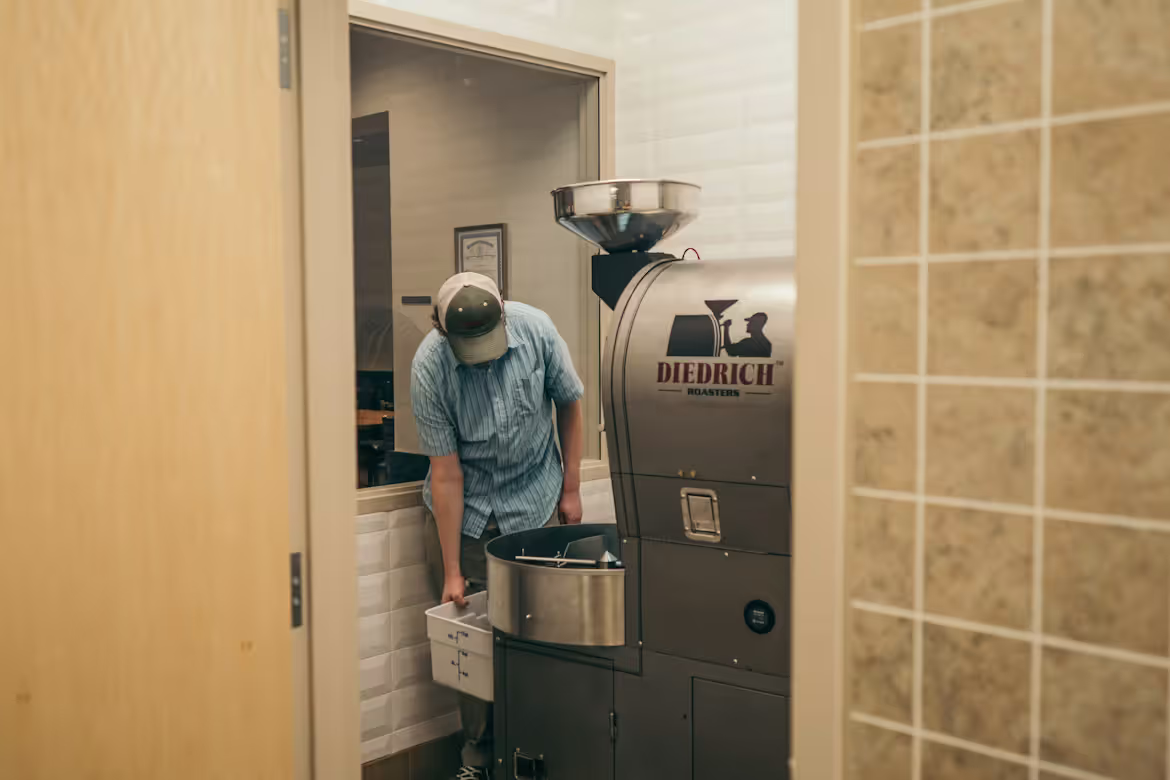
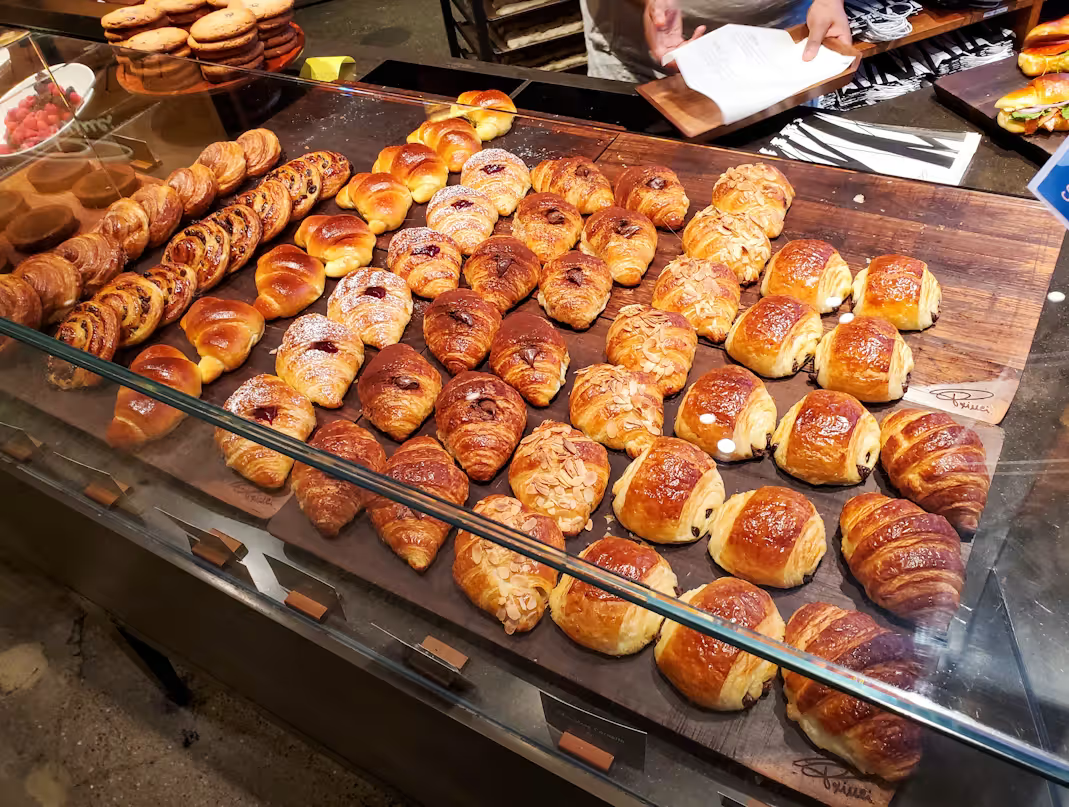
Many bakeries have become gathering spaces where people enjoy morning coffee, seasonal pastries, and conversations with the people who make their food. Open kitchens and visible baking areas invite visitors to observe the craft behind each loaf, creating transparency and trust.
This sense of community has helped independent bakeries thrive despite growing competition. Customers return not only for exceptional bread but also for the relationships built around it.
A New Appreciation for Everyday Craft
As interest in handcrafted food continues to grow, artisan bakeries remind us that extraordinary quality often begins with the simplest ingredients. Flour, water, salt, and time remain the essential building blocks, yet when combined with experience and patience they become something truly memorable.
The resurgence of artisan bread reflects a broader shift toward slower, more thoughtful food culture—one that values craftsmanship, sustainability, and genuine human connection over convenience alone.
Final Thoughts
The return of artisan baking demonstrates that tradition continues to have an important place in contemporary food culture. Through natural fermentation, carefully sourced ingredients, and generations of expertise, independent bakeries are redefining what everyday bread can be.
For those willing to slow down and appreciate the craft behind every loaf, artisan bakeries offer more than exceptional food—they provide a reminder that quality is often built through patience, care, and a deep respect for tradition.

Sophia Harrington
Sophia Harrington covers specialty coffee, artisan bakeries, neighborhood cafés, and food culture through thoughtful editorial storytelling.
Keep Reading
More stories you might enjoy
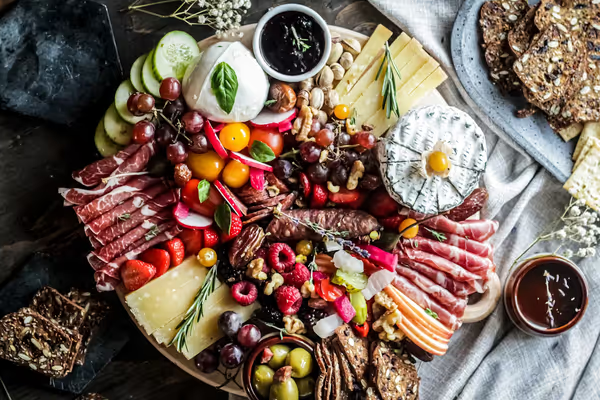
Charcuterie is more than a selection of cured meats. It is a centuries-old craft built on patience, precision, and respect for traditional techniques that continue to inspire chefs around the world.

Cultured butter has become one of the quiet stars of modern fine dining, proving that extraordinary ingredients often create the most memorable moments at the table.

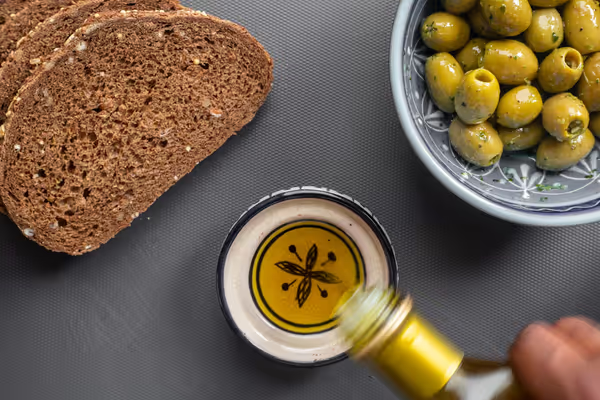
Extra virgin olive oil is more than a cooking ingredient. Discover how careful cultivation, skilled producers, and exceptional harvests make it one of the world's most celebrated culinary essentials.

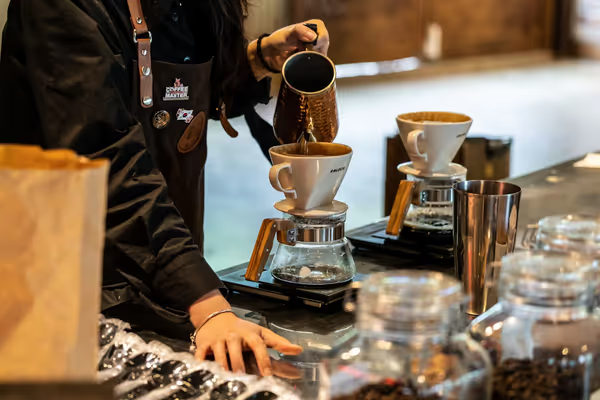
Discover how specialty coffee has transformed from a daily ritual into a global movement built on craftsmanship, sustainability, and exceptional quality.
Discussion
Share your thoughts on this story