
Perfect Harmony: The Art of Food and Wine Pairing.
Great wine pairing isn't about following rigid rules—it's about creating balance, enhancing flavor, and allowing every dish and every glass to complement one another beautifully.

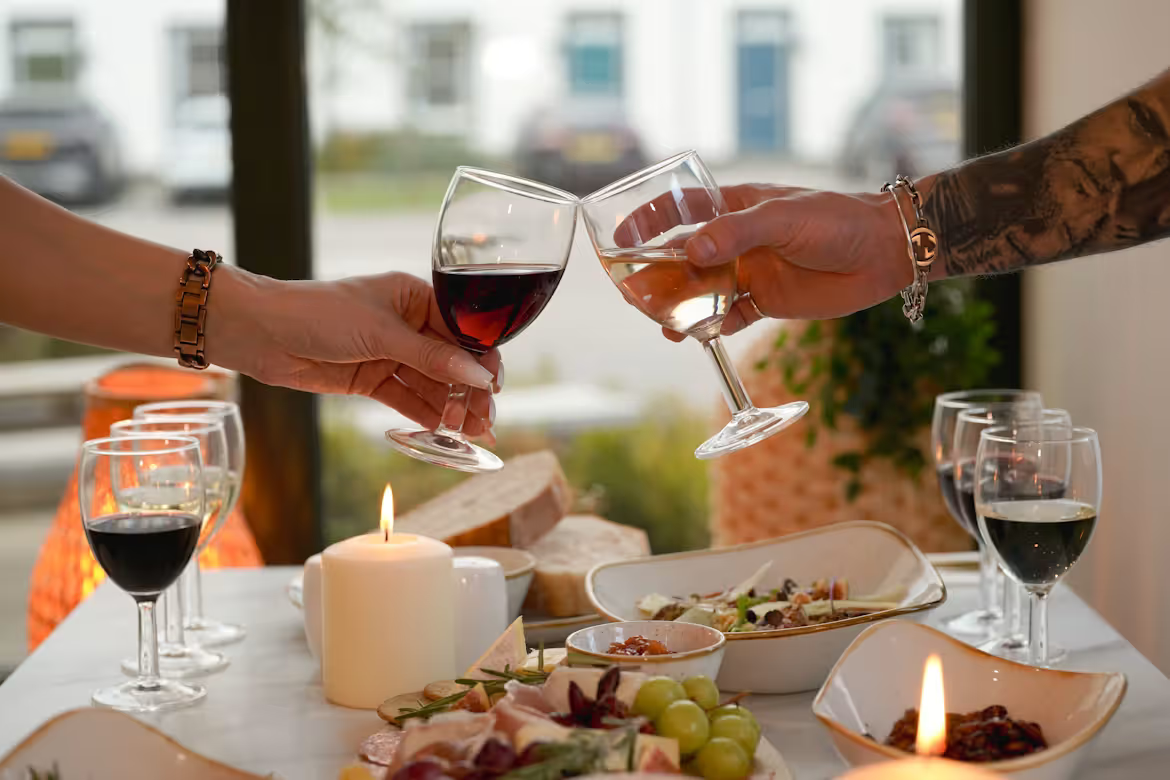
A beautifully prepared dish can stand on its own, and an exceptional bottle of wine can be memorable by itself. When the two are thoughtfully paired, however, they create something greater than either could achieve alone.
Food and wine pairing is one of the defining characteristics of fine dining. It transforms a meal into a carefully balanced experience where flavors, aromas, textures, and acidity work together rather than compete. The goal is not to make the wine the star of the table or allow the food to dominate the glass. Instead, each enhances the qualities of the other, creating harmony with every course.
This philosophy has shaped restaurant dining for generations. Today, chefs and sommeliers work closely together, tasting dishes repeatedly before service to refine pairings that feel natural, elegant, and memorable.
The result is a dining experience where every glass becomes an extension of the plate.
Balance Is More Important Than Rules
Many people believe food and wine pairing follows strict traditions.
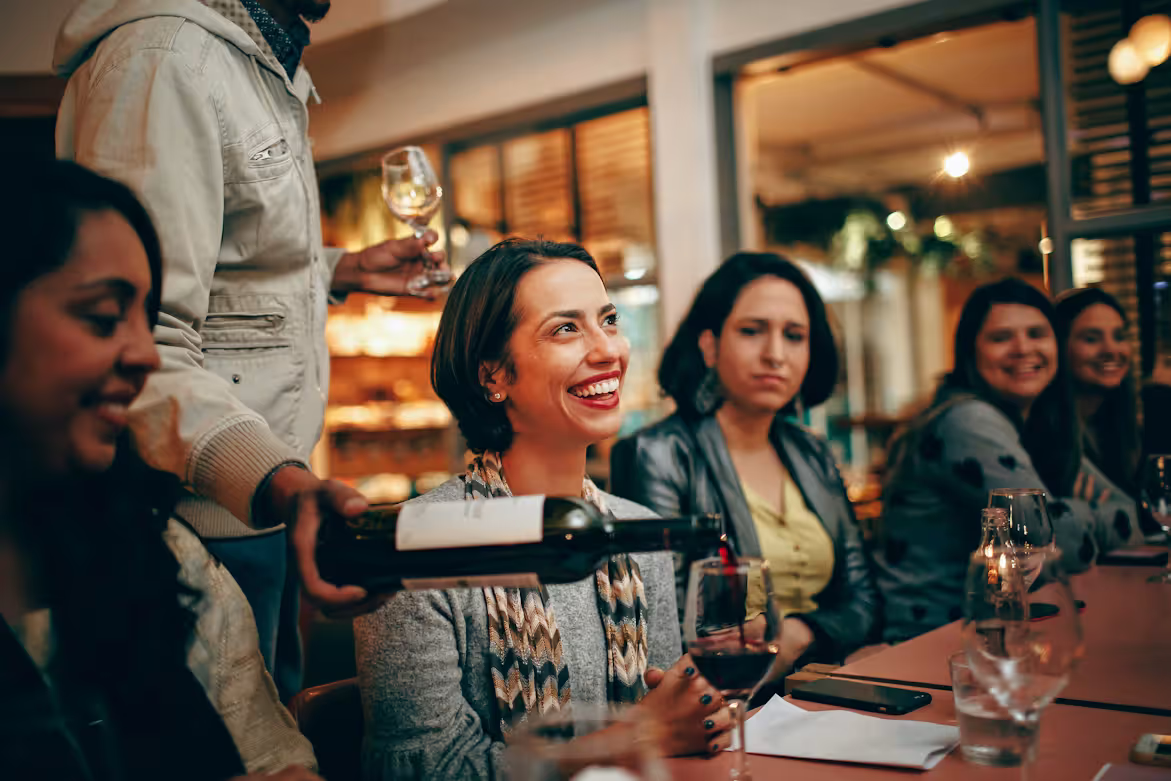
While classic combinations remain popular, today's sommeliers approach pairing with greater flexibility. Instead of relying on fixed rules, they consider acidity, sweetness, tannins, richness, texture, and cooking techniques to create combinations that feel balanced.
A crisp white wine can brighten delicate seafood, while a structured red beautifully complements grilled meats. Sparkling wines add freshness to fried dishes, and dessert wines provide harmony when paired with carefully balanced sweets.
Rather than memorizing combinations, experienced sommeliers focus on understanding why certain flavors work together. This allows every pairing to feel thoughtful rather than predictable.
Pairing Throughout the Meal
Exceptional restaurants rarely think about wine as a single decision.
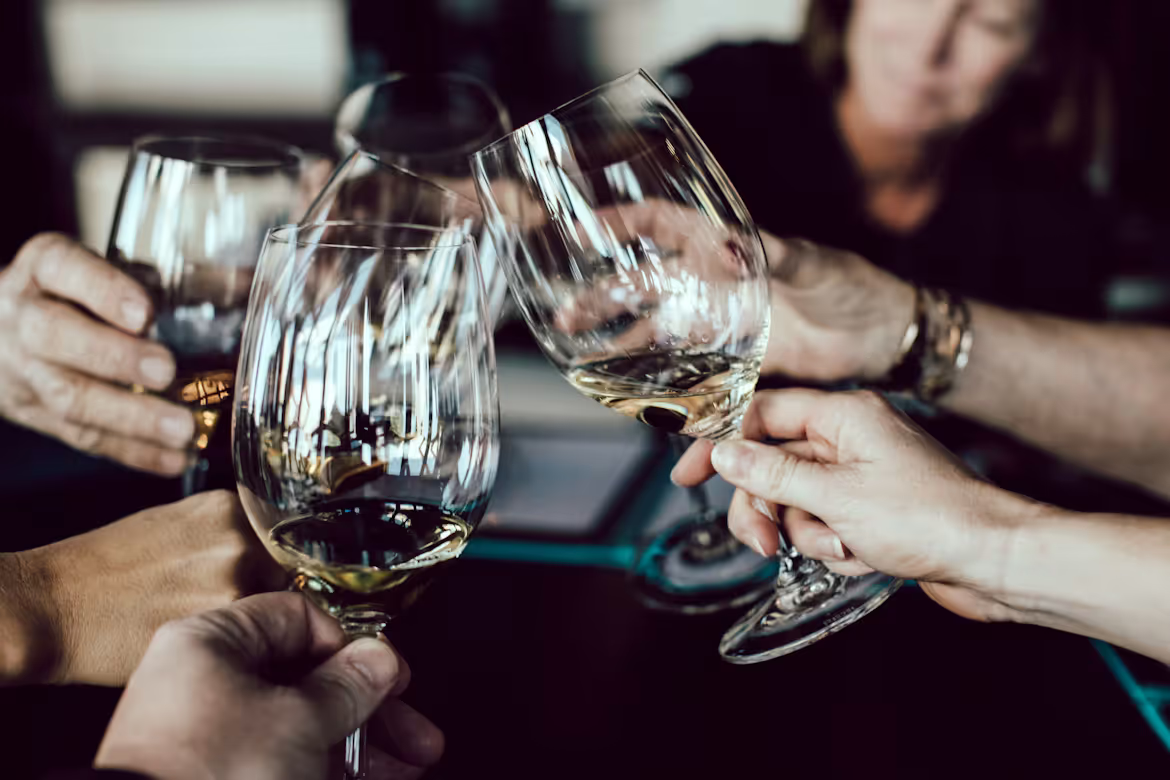
Instead, every course receives individual attention. The opening aperitif prepares the palate, lighter wines accompany early courses, fuller-bodied selections follow the main dishes, while dessert wines or fortified wines complete the evening.
This gradual progression mirrors the rhythm of the tasting menu itself.
The sequence also prevents stronger wines from overwhelming delicate dishes served later. Every glass has its place, allowing guests to appreciate subtle changes in flavor throughout the meal.
This careful pacing transforms wine service into a journey that evolves naturally from beginning to end.
The Collaboration Between Chef and Sommelier
Successful pairings begin long before guests arrive.
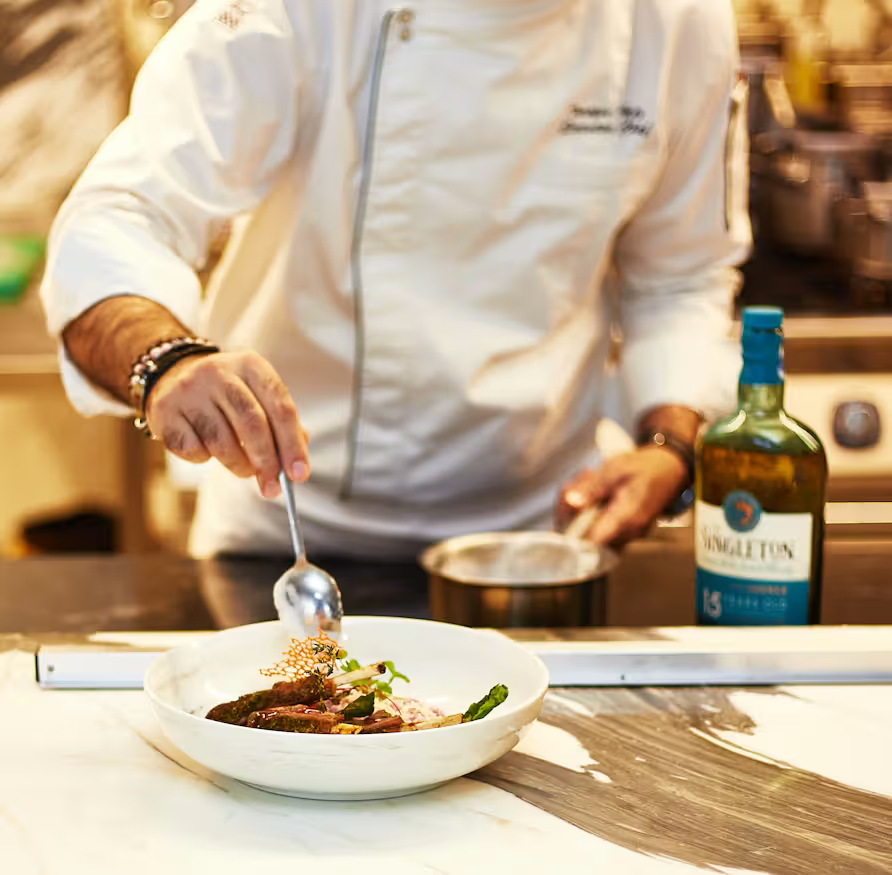
As chefs develop seasonal menus, sommeliers taste every dish and experiment with multiple wines before selecting the final pairing. Sometimes the menu changes to better suit the wine, while in other cases the wine list evolves alongside new ingredients.
This collaboration reflects one of fine dining's greatest strengths: every department works toward the same goal.
The kitchen focuses on flavor and presentation, the sommelier enhances each course through thoughtful wine selection, and the service team delivers everything with confidence and precision.
Together, they create an experience that feels seamless from the first welcome to the final toast.
Final Thoughts
Food and wine pairing is an art built on observation, curiosity, and balance.
The finest pairings never seek attention for themselves. Instead, they quietly enhance every course, revealing flavors that might otherwise remain unnoticed. Through collaboration between chefs, sommeliers, and producers, each meal becomes richer, more expressive, and more memorable.
Whether enjoyed during an elaborate tasting menu or a relaxed dinner shared with friends, the right pairing reminds us that remarkable dining is often created through harmony rather than complexity.

Alexander Moreau
Alexander Moreau is a food journalist covering Michelin-starred restaurants, celebrated chefs, wine culture, and exceptional fine dining experiences across Europe.
Keep Reading
More stories you might enjoy
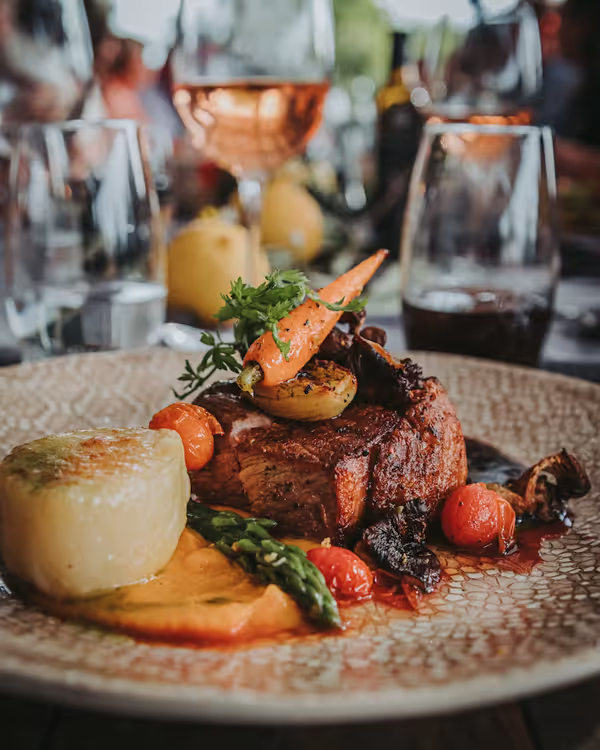
Great dining is never defined by a single dish. It is the result of remarkable ingredients, talented chefs, thoughtful hospitality, artisan producers, and a shared passion for creating unforgettable experiences.
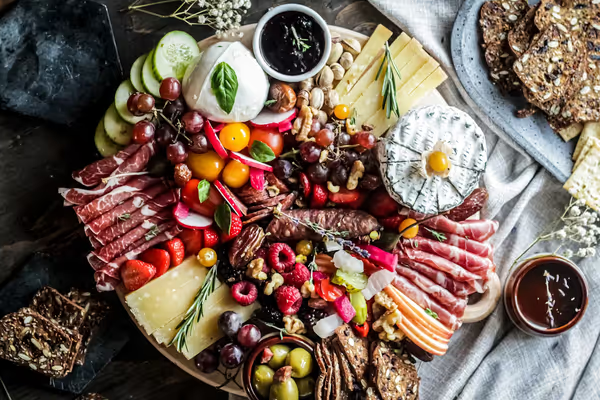
Charcuterie is more than a selection of cured meats. It is a centuries-old craft built on patience, precision, and respect for traditional techniques that continue to inspire chefs around the world.

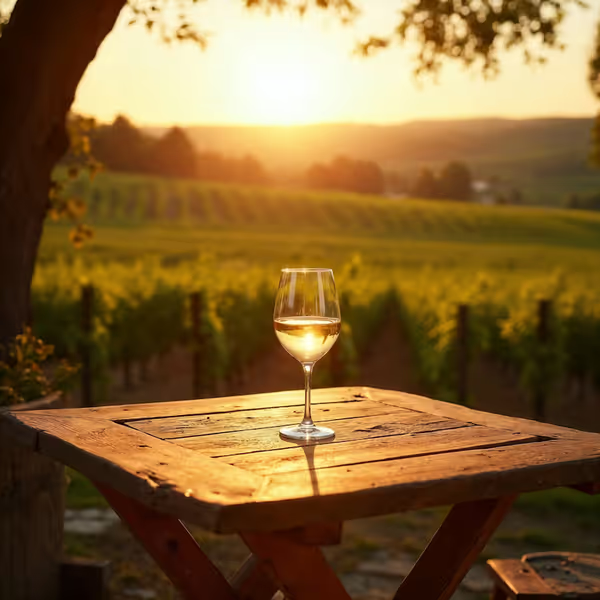
Discover how boutique vineyards are redefining modern winemaking through sustainability, craftsmanship, and a deep respect for regional terroir.

Small, independent vineyards are redefining fine wine through sustainable farming, limited production, and an unwavering commitment to expressing the character of every vintage.
Discussion
Share your thoughts on this story