
Breaking Bread: Why Artisan Bread Is the Heart of Every Great Restaurant.
Behind every exceptional loaf is a story of fermentation, craftsmanship, and patience. Discover why artisan bread has become one of the defining elements of modern fine dining.

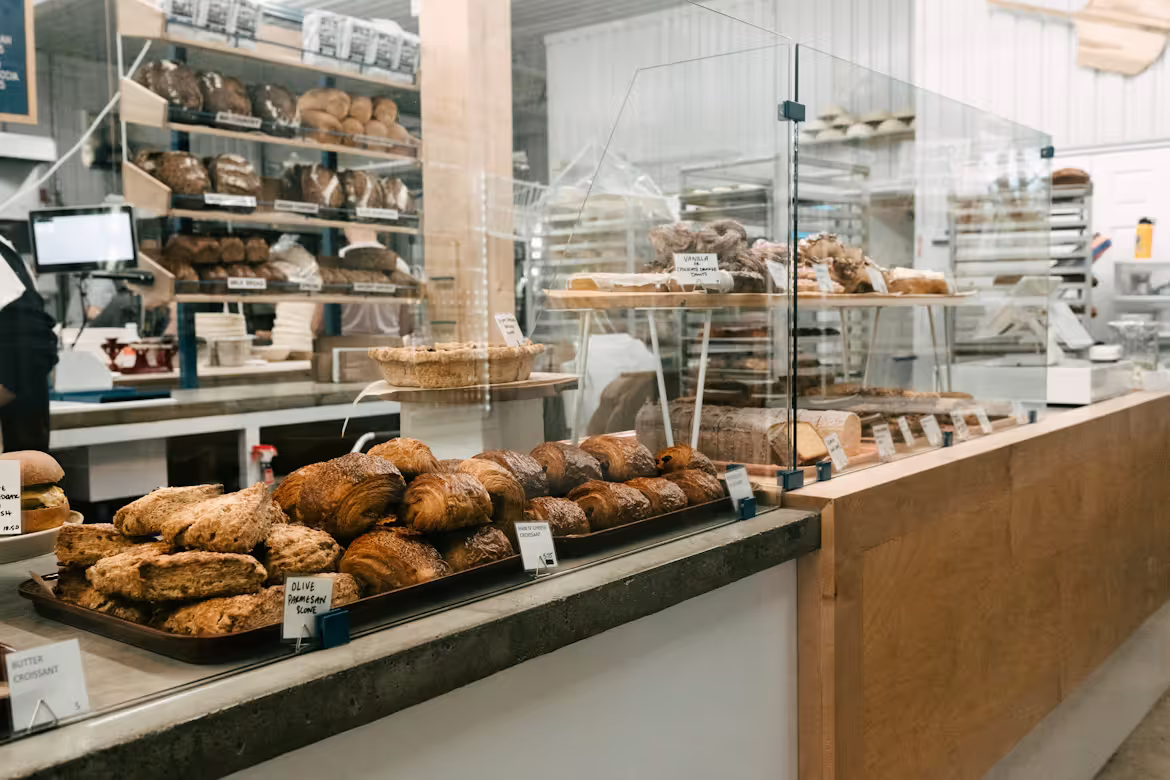
Long before the first appetizer arrives, many memorable dining experiences begin with something beautifully simple—a warm basket of freshly baked bread placed gently at the center of the table.
For centuries, bread has been one of the world's most essential foods. Yet within today's finest restaurants, it has evolved from a complimentary side into an expression of craftsmanship. Bakers dedicate days rather than hours to producing naturally fermented loaves whose flavour, aroma, and texture reflect remarkable attention to detail.
Many chefs now believe that the quality of a restaurant's bread says as much about its philosophy as the tasting menu itself. A perfectly baked sourdough with cultured butter demonstrates respect for ingredients, patience, and technique before guests even taste the first course.
This renewed appreciation has transformed bread into one of the most celebrated elements of contemporary dining.
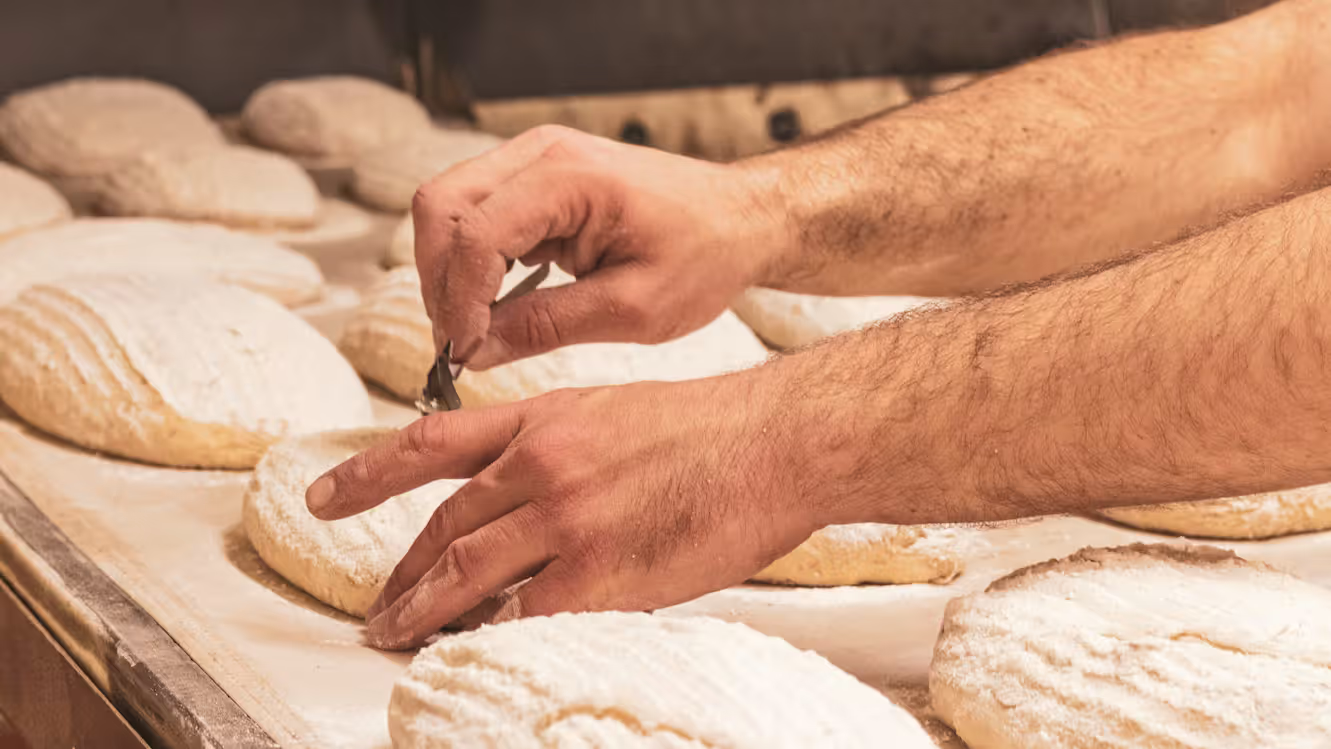
The Beauty of Natural Fermentation
Exceptional bread begins with time.
Unlike commercial loaves produced as quickly as possible, artisan bread often relies on natural sourdough starters that ferment slowly over many hours. During this process, wild yeast and beneficial bacteria develop flavour while improving texture and creating the beautifully open crumb that defines handcrafted bread.
Slow fermentation also produces the rich aroma and crisp crust that distinguish artisan loaves from mass-produced alternatives.
Every stage demands careful observation. Temperature, humidity, hydration, and timing all influence the finished loaf, requiring bakers to rely as much on experience as on recipes.
For many professionals, bread making remains one of the purest forms of culinary craftsmanship.
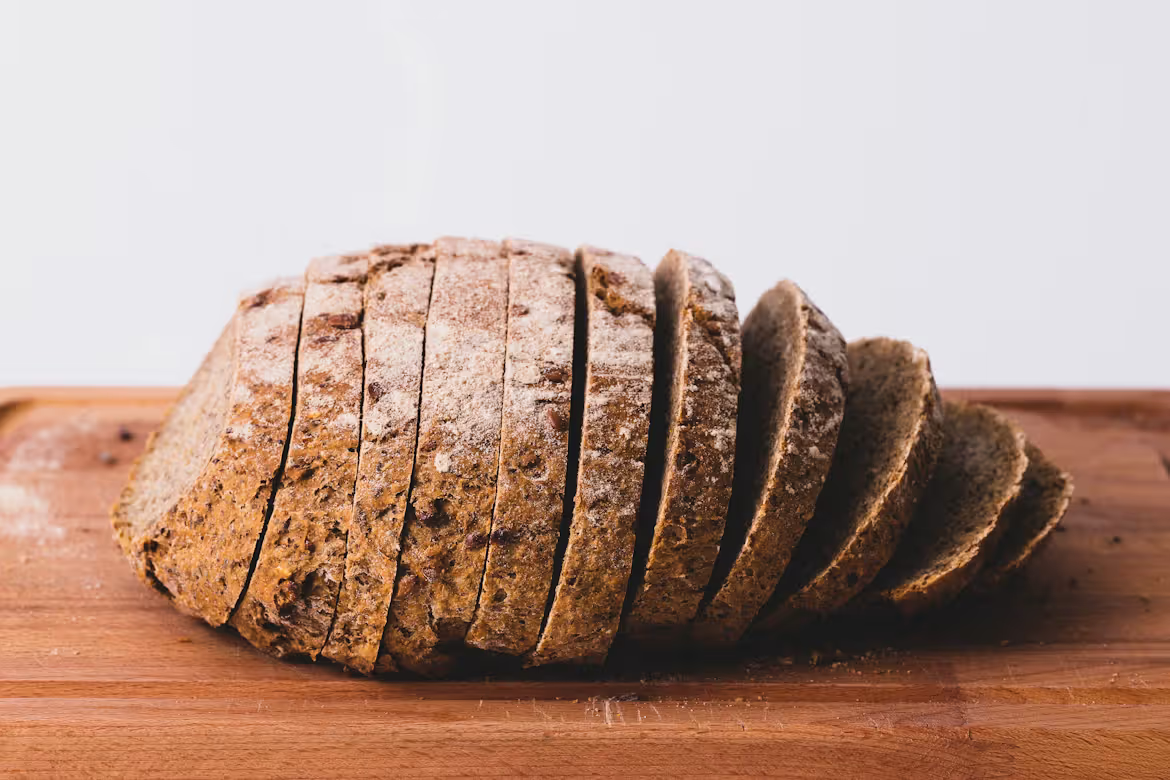
Why Restaurants Bake Their Own Bread
An increasing number of fine dining restaurants now maintain dedicated bakery programs.
Rather than purchasing bread from outside suppliers, chefs collaborate with in-house bakers to create loaves that complement the restaurant's menu. Rustic country bread pairs beautifully with seasonal soups, milk bread accompanies seafood dishes, while whole-grain loaves offer structure alongside aged cheeses and cured meats.
Fresh bread also creates an immediate impression of hospitality.
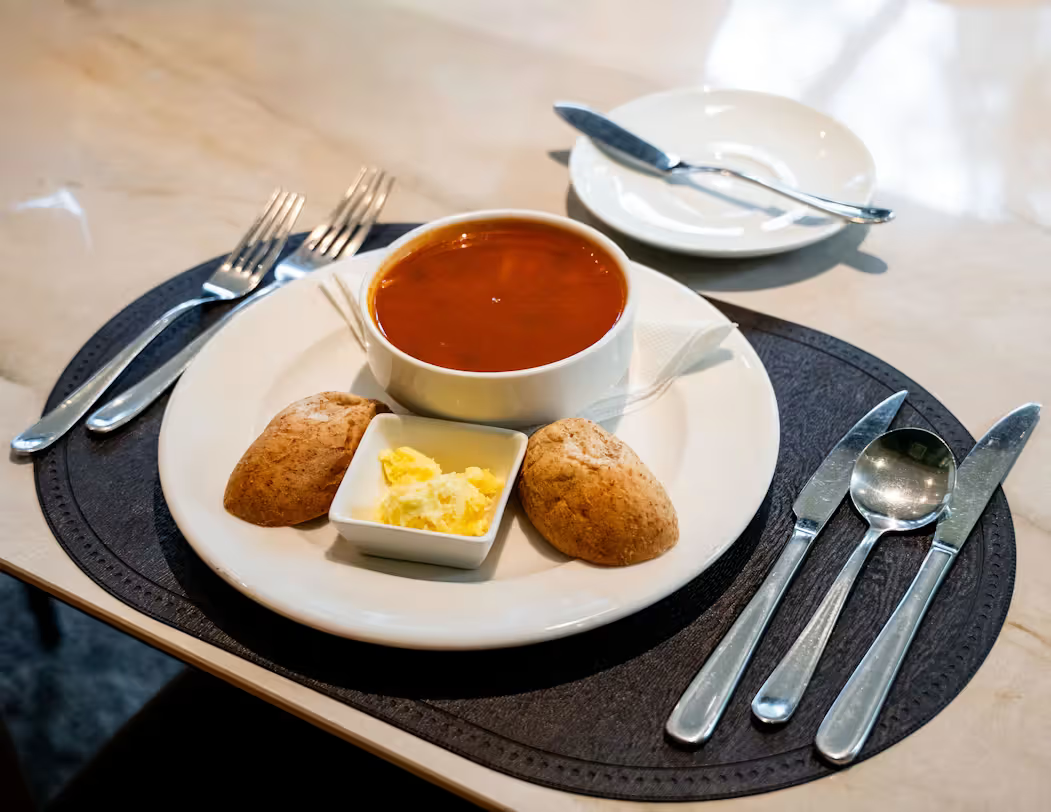
Served warm with cultured butter, extra virgin olive oil, or whipped seasonal spreads, it encourages guests to slow down and settle into the meal ahead. Even before the first official course arrives, the restaurant has already demonstrated its commitment to quality.
This seemingly simple gesture often becomes one of the evening's most memorable moments.
Simplicity That Demands Precision
Bread may contain only flour, water, salt, and natural yeast, yet producing exceptional loaves requires extraordinary precision.
Millers carefully select grains, bakers adjust hydration according to the season, and ovens must maintain consistent temperatures throughout every bake. Small changes in technique can dramatically influence flavour and texture.
Many restaurants now collaborate directly with regional flour mills and grain producers, ensuring every ingredient reflects the same commitment to quality found throughout the menu.
This relationship between farmers, millers, bakers, and chefs demonstrates how remarkable food often begins with a handful of simple ingredients treated with exceptional care.
Final Thoughts
Artisan bread reminds us that the simplest foods often require the greatest skill.
Behind every perfectly baked loaf are hours of fermentation, generations of baking knowledge, and a commitment to craftsmanship that cannot be rushed. Whether served alongside a tasting menu or enjoyed with nothing more than cultured butter, great bread sets the tone for everything that follows.
Its enduring appeal lies not in complexity but in the remarkable transformation of humble ingredients into something truly unforgettable.

Thomas Ashworth
Thomas Ashworth focuses on restaurant design, open kitchens, hospitality interiors, and the spaces shaping memorable dining experiences.
Keep Reading
More stories you might enjoy
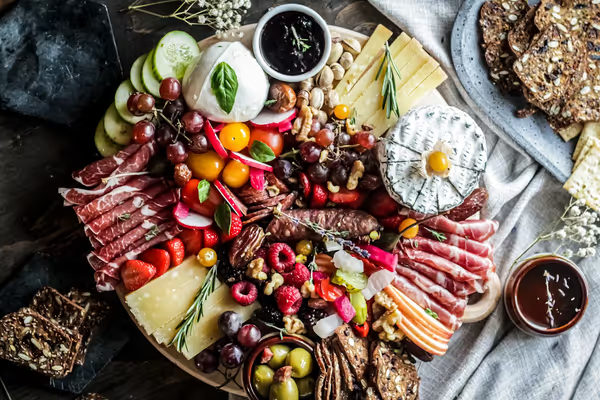
Charcuterie is more than a selection of cured meats. It is a centuries-old craft built on patience, precision, and respect for traditional techniques that continue to inspire chefs around the world.
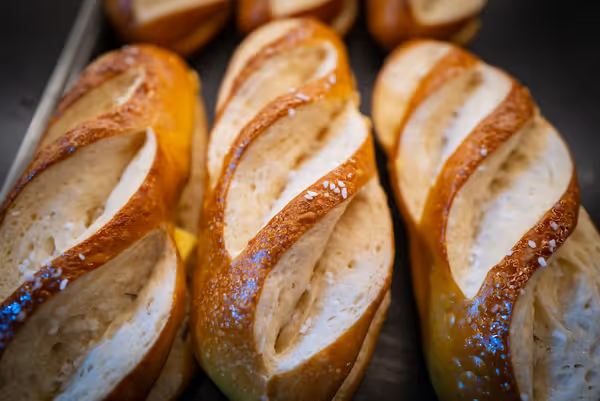
Cultured butter has become one of the quiet stars of modern fine dining, proving that extraordinary ingredients often create the most memorable moments at the table.

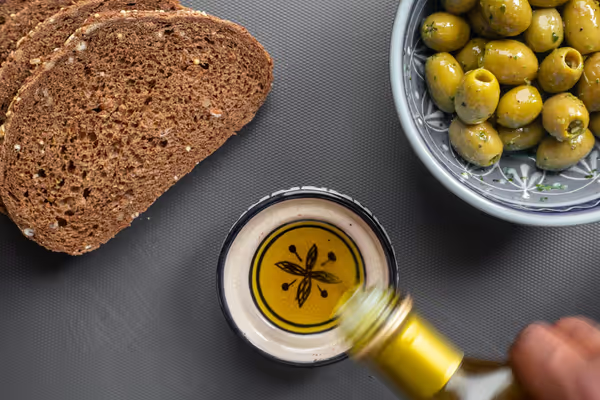
Extra virgin olive oil is more than a cooking ingredient. Discover how careful cultivation, skilled producers, and exceptional harvests make it one of the world's most celebrated culinary essentials.

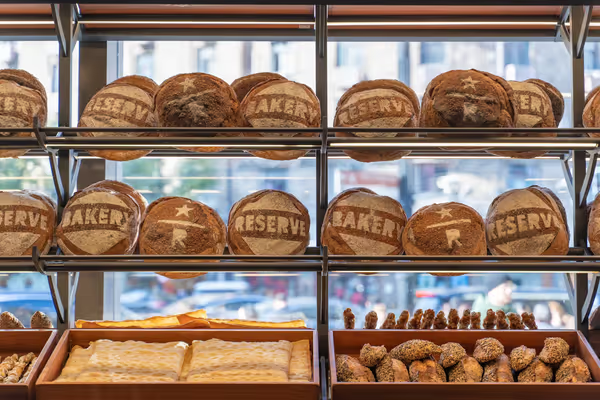
Across the world, artisan bakeries are bringing traditional bread-making back into the spotlight through natural fermentation, local grains, and handcrafted techniques.

Discussion
Share your thoughts on this story