
Cooking with the Seasons: Why the Best Menus Begin at the Market.
Exceptional cooking begins long before a pan reaches the stove. Discover why chefs around the world build their menus around seasonal ingredients, allowing freshness, flavor, and nature to lead every dish.

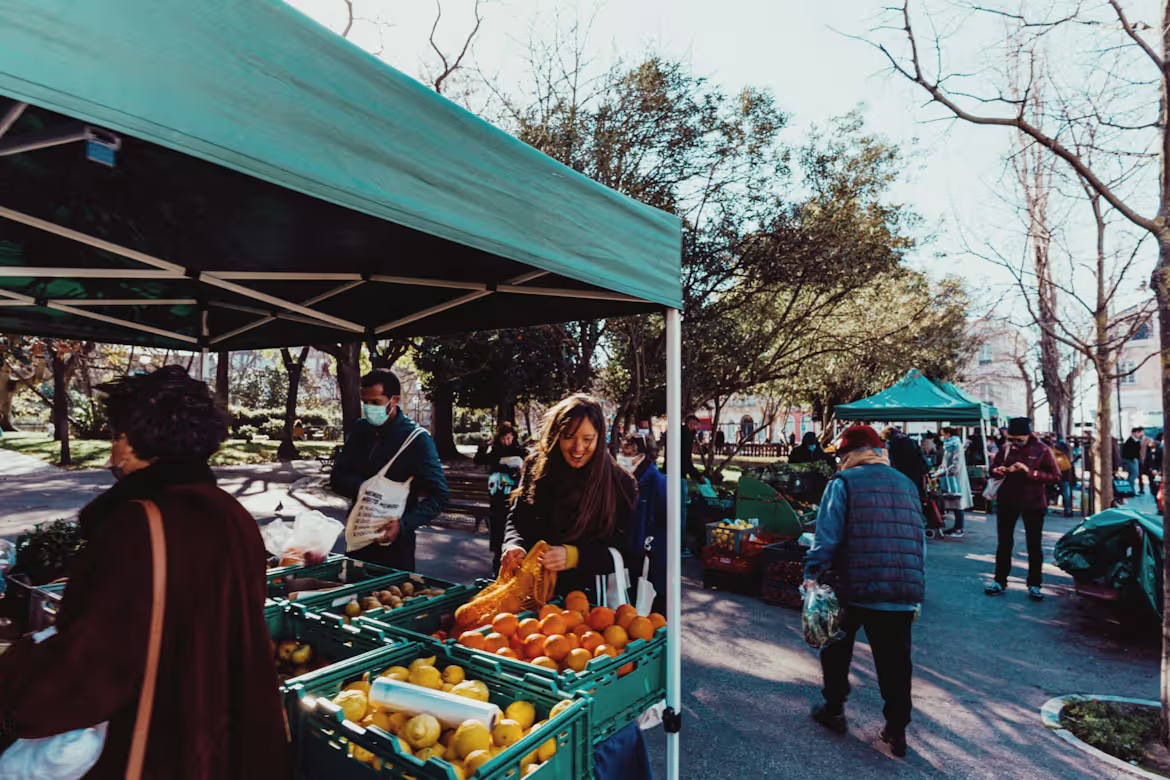
Every remarkable dish starts with a simple decision: choosing the right ingredients. Before the first knife cuts through fresh produce or a pan begins to heat, chefs around the world spend time where great cooking truly begins—the market.
Unlike supermarkets that offer the same produce throughout the year, local markets reflect the changing rhythm of nature. Spring brings tender asparagus and peas, summer overflows with tomatoes and berries, autumn introduces earthy mushrooms and squash, while winter delivers citrus, root vegetables, and hearty greens. These natural cycles shape menus that feel vibrant, balanced, and deeply connected to the season.
For many chefs, creating a menu does not begin with a recipe. It begins by walking among market stalls, speaking with farmers, tasting ingredients, and allowing the day's harvest to inspire every course. This approach keeps cooking creative while ensuring every plate reflects ingredients at their absolute best.
Restaurants that embrace seasonal cooking often produce dishes that feel effortless. Rather than relying on elaborate techniques, they allow exceptional ingredients to become the centerpiece of the dining experience.
Freshness Is Impossible to Fake
The finest ingredients rarely need complicated preparation.
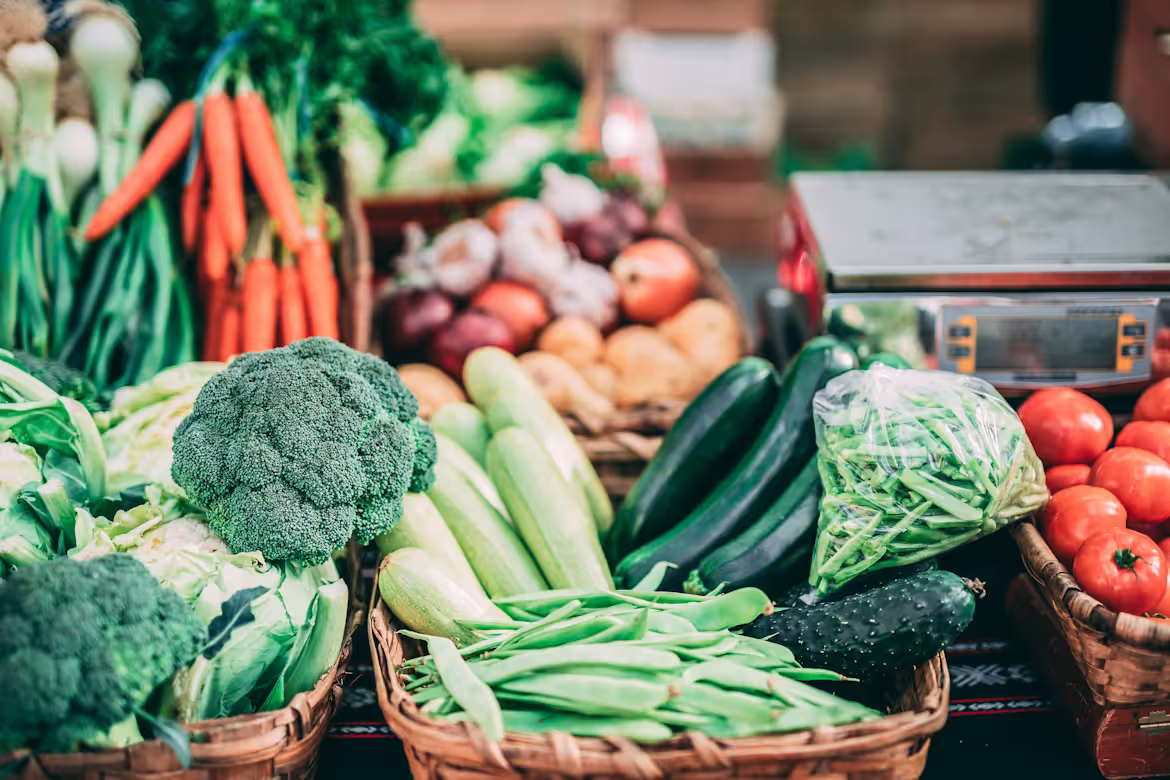
A tomato harvested at peak ripeness delivers natural sweetness that no sauce can replace. Fresh herbs picked that morning provide vibrant aromas impossible to achieve with dried alternatives. Delicate asparagus, wild mushrooms, figs, or citrus each have a brief season when their flavors reach their fullest potential.
Chefs understand that respecting these natural windows produces better food while reducing the need for unnecessary additions.
Seasonal cooking also encourages variety. Menus evolve throughout the year, giving returning guests new experiences with every visit. A spring risotto may feature green peas and herbs, while the same dish transforms into one built around roasted pumpkin and woodland mushrooms during autumn.
This constant evolution keeps restaurant kitchens inspired and closely connected to local producers.
Building Relationships with Local Producers
Behind every memorable menu is a network of dedicated growers, fishermen, cheesemakers, bakers, and artisan producers.
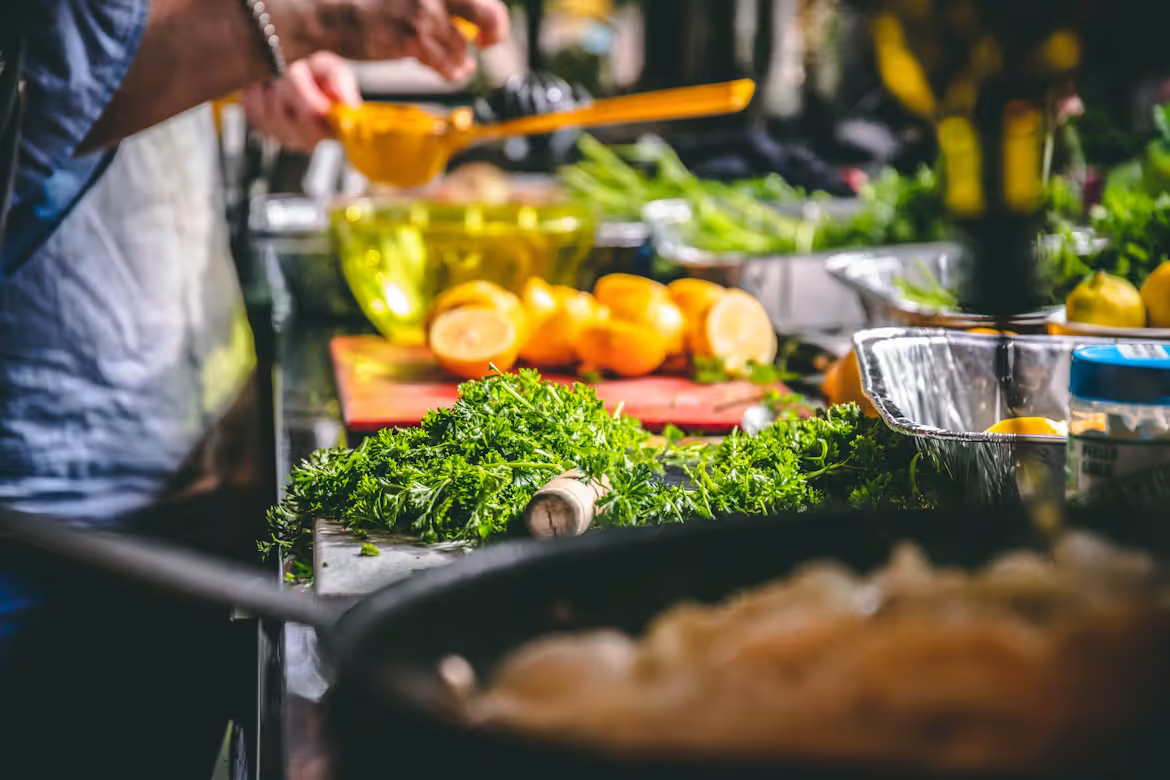
Many restaurants work directly with nearby farms, receiving fresh ingredients harvested only hours before service. These relationships allow chefs to understand how food is grown, when products reach their peak, and which ingredients deserve a place on the menu each week.
Communication between chefs and producers has become one of the defining characteristics of contemporary dining. Rather than placing large anonymous orders, restaurants increasingly collaborate with suppliers who share the same commitment to quality and sustainability.
The result is food that feels authentic because every ingredient has a clear origin and a story worth sharing.
Sustainability Through Seasonality
Seasonal cooking naturally supports more sustainable food systems.
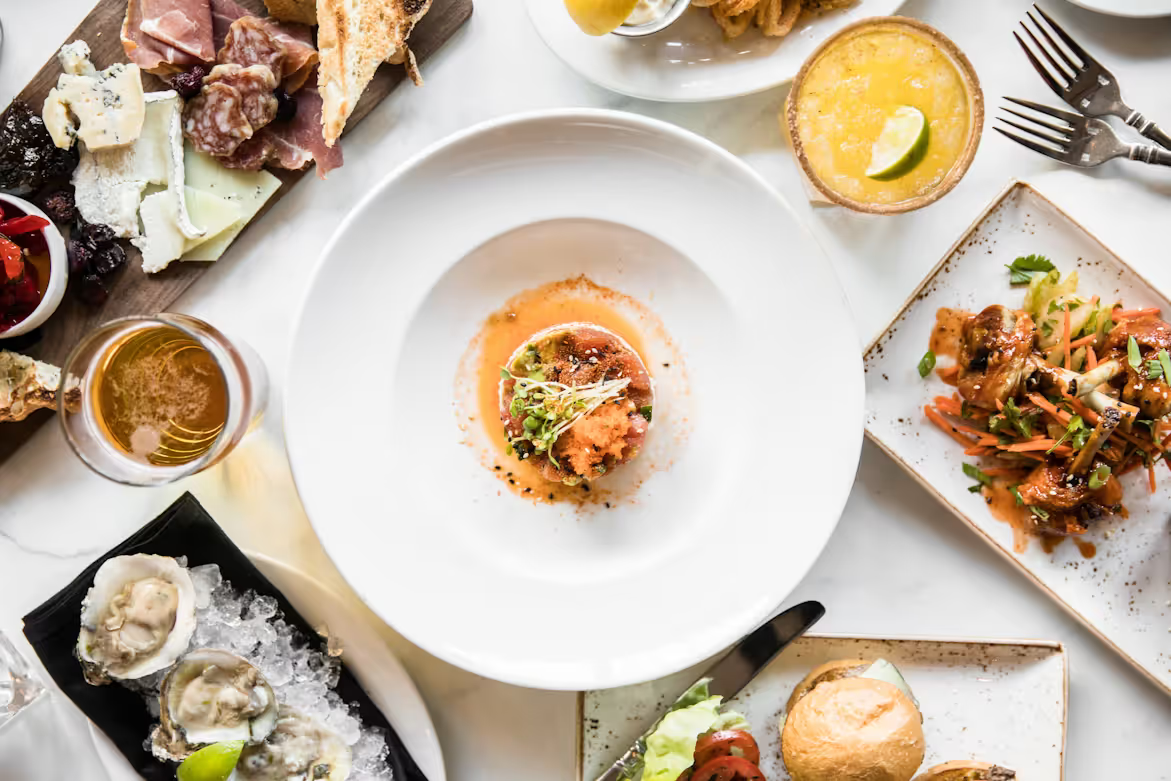
Choosing ingredients harvested at the right time often reduces the need for long-distance transportation, excessive storage, and energy-intensive growing methods. It also encourages biodiversity by celebrating a wider variety of fruits, vegetables, and herbs throughout the year.
Many chefs now view sustainability not as a trend but as a practical outcome of cooking with the seasons. By adapting menus to what nature provides, restaurants create food that is both environmentally responsible and exceptionally flavorful.
Guests benefit as well, enjoying dishes that feel fresh, relevant, and unique to the time of year.
Final Thoughts
Seasonal ingredients remind us that exceptional cooking begins with patience rather than perfection.
By allowing nature to guide the menu, chefs create meals that celebrate freshness, craftsmanship, and the remarkable work of local producers. Every changing season offers new flavors, new inspiration, and new opportunities to experience food at its very best.
The next time a beautifully prepared dish arrives at the table, it is worth remembering that its greatest ingredient may simply be perfect timing.

Isabelle Fontaine
Isabelle Fontaine explores Scandinavian food culture, contemporary restaurants, pastry craftsmanship, and sustainable culinary experiences.
Keep Reading
More stories you might enjoy
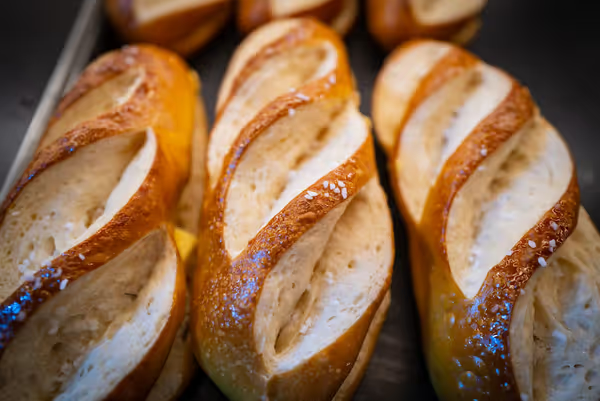
Cultured butter has become one of the quiet stars of modern fine dining, proving that extraordinary ingredients often create the most memorable moments at the table.

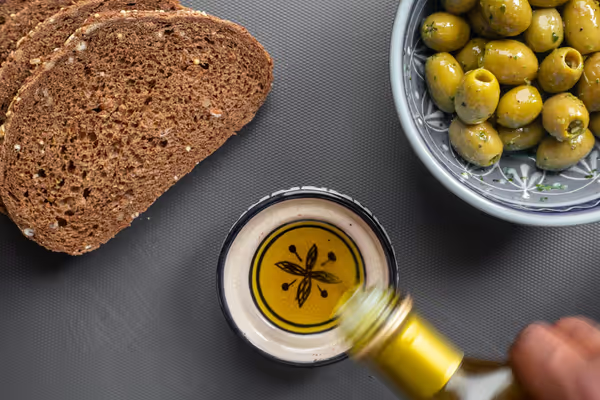
Extra virgin olive oil is more than a cooking ingredient. Discover how careful cultivation, skilled producers, and exceptional harvests make it one of the world's most celebrated culinary essentials.

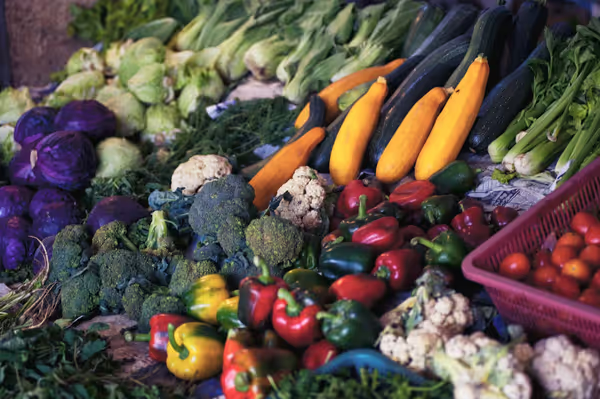
From historic market halls to neighborhood farmers' markets, discover how local food markets preserve culinary traditions while connecting travelers with authentic regional flavors.
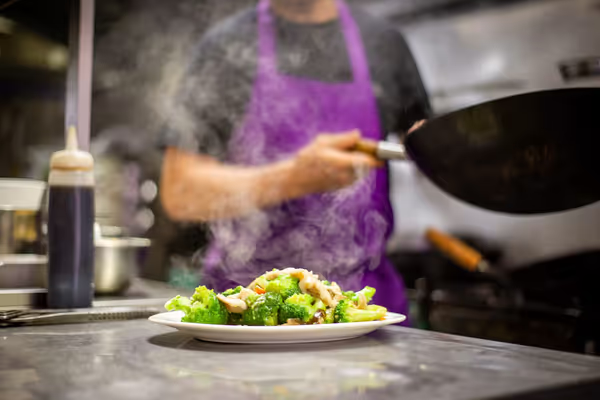
The world's finest restaurants constantly reinvent their menus by embracing seasonal ingredients, local harvests, and the natural rhythm of every season.
Discussion
Share your thoughts on this story