
The Art of Artisan Cheese: Why Great Restaurants Begin with Great Producers.
Exceptional cheese is never an accident. Behind every perfectly aged wheel are skilled producers whose dedication to craftsmanship, patience, and tradition continues to inspire the world's finest restaurants.

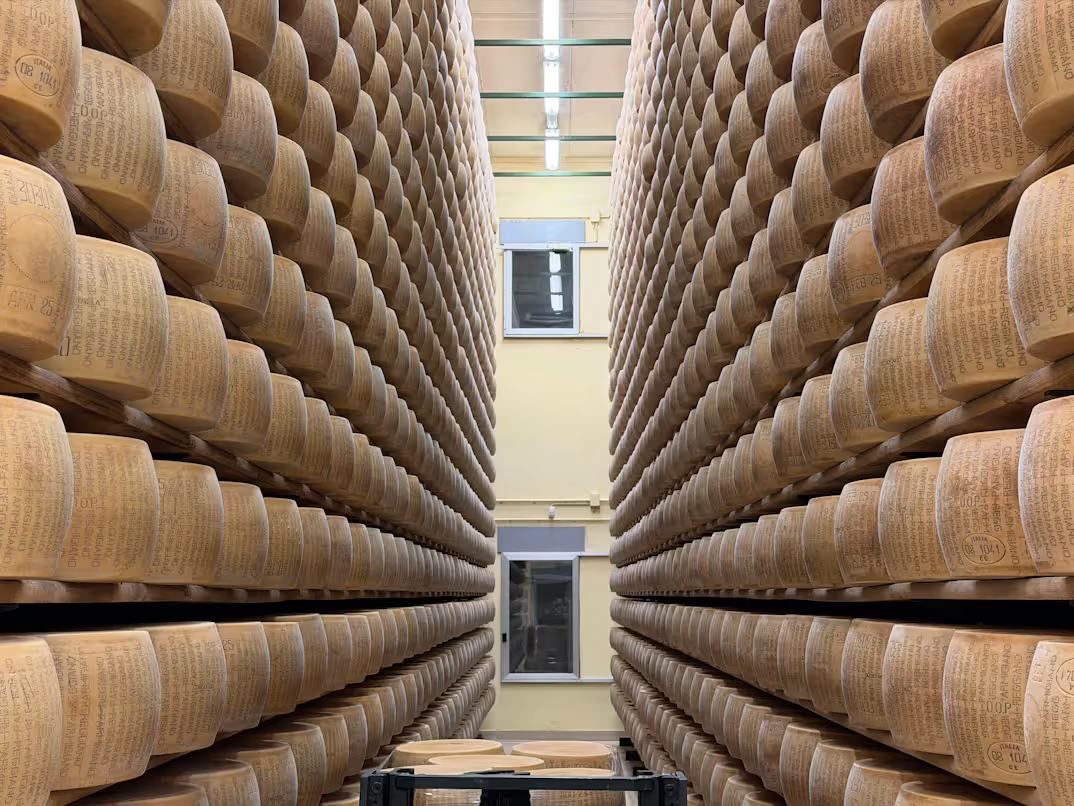
Some of the most memorable moments in fine dining don't arrive as the main course. They appear near the end of a meal, when a beautifully presented cheese selection arrives at the table, carefully chosen to reflect the season, the region, and the philosophy of the restaurant itself.
Behind every exceptional cheese lies a story of craftsmanship that begins long before it reaches the dining room. Farmers care for their animals throughout the year, cheesemakers transform fresh milk into young wheels, and skilled affineurs patiently guide each cheese through months of careful aging. Every step contributes to a product that cannot be hurried.
Today's finest restaurants understand this journey. Rather than treating cheese as an afterthought, many chefs and sommeliers work closely with artisan producers whose dedication to quality matches their own. The result is an ingredient that speaks of landscape, tradition, and remarkable attention to detail.
Whether served as part of a tasting menu, paired with wine, or enjoyed simply with fresh bread, artisan cheese continues to represent one of the purest expressions of culinary craftsmanship.
Craftsmanship Begins at the Farm
Outstanding cheese starts with exceptional milk.
The quality of pasture, the care given to animals, seasonal grazing, and responsible farming practices all influence the character of the finished cheese. Spring milk often produces lighter, floral flavors, while late-summer grazing creates richer and more complex profiles.
Small-scale producers embrace these natural variations rather than trying to eliminate them. Every batch reflects the changing rhythm of the seasons, making each cheese a genuine expression of its origin.
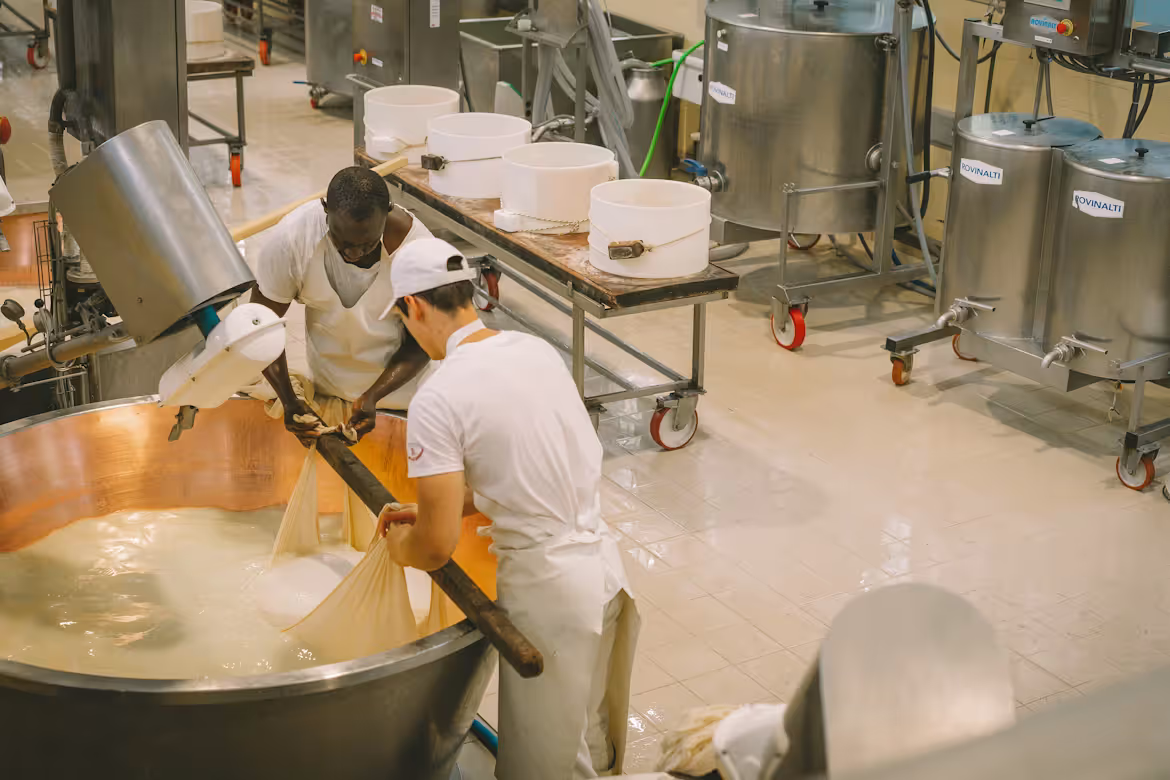
Many artisan producers also continue to use traditional methods handed down through generations. Hand-ladling curds, slow pressing, natural aging, and careful maturation remain essential parts of the process. These techniques require patience but reward producers with remarkable depth of flavor and texture that industrial production rarely achieves.
Why Cheese Deserves a Place in Fine Dining
Cheese has become an important part of contemporary restaurant menus because it offers remarkable versatility.
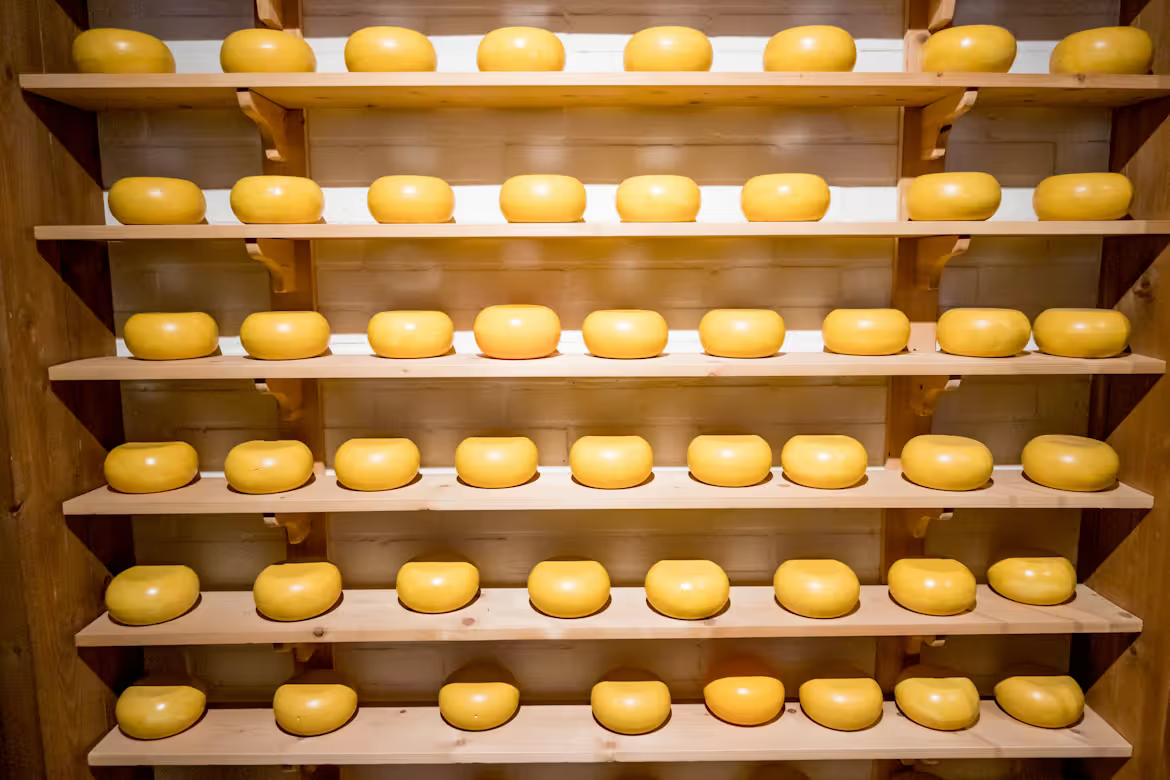
A delicate fresh cheese may accompany seasonal vegetables, while aged varieties provide richness alongside artisan bread, fruit preserves, roasted nuts, or carefully selected wines. Some restaurants dedicate an entire course to regional cheeses, allowing guests to explore different textures and maturation styles before dessert arrives.
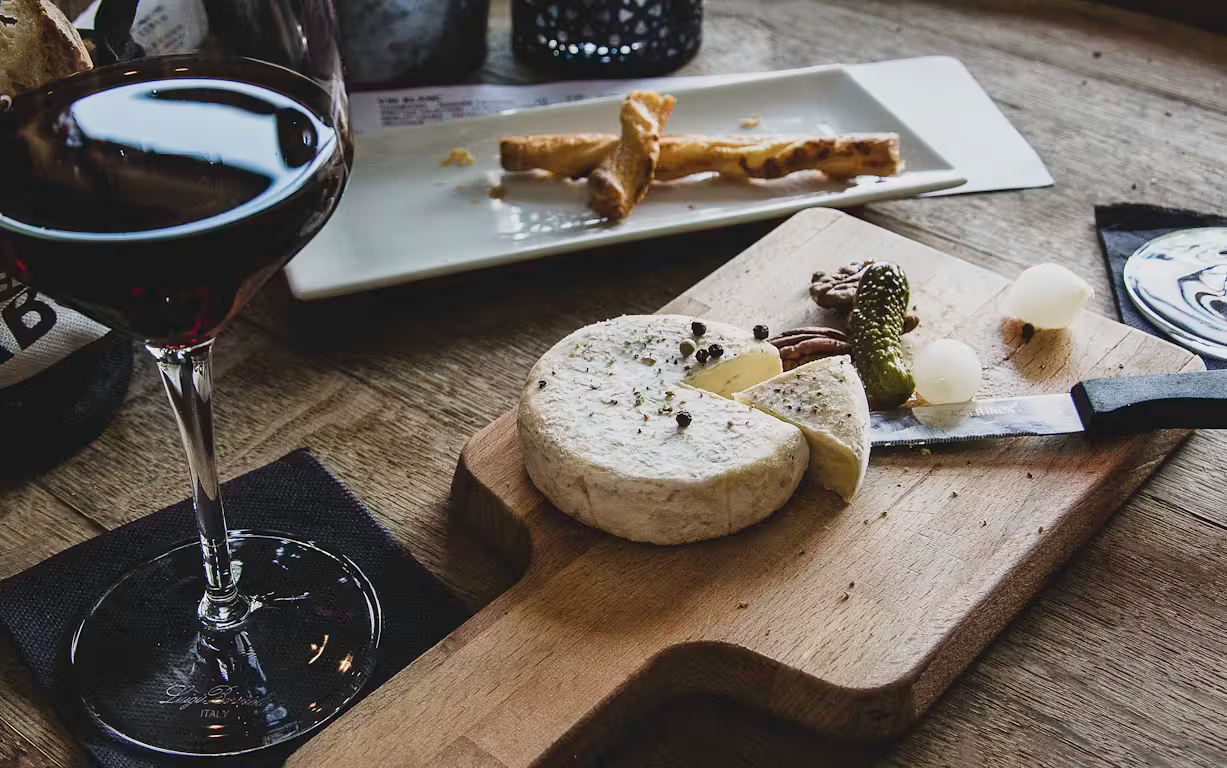
Sommeliers often approach cheese pairings with the same attention given to the main menu. Crisp sparkling wines highlight creamy cheeses, elegant whites complement nutty alpine styles, while structured reds beautifully accompany firmer aged varieties.
These thoughtful combinations encourage guests to experience cheese as an essential culinary ingredient rather than simply the final course of the evening.
Preserving Tradition Through Innovation
While artisan cheese remains rooted in tradition, producers continue to embrace thoughtful innovation.
Many farms now focus on sustainable agriculture, renewable energy, animal welfare, and environmentally responsible packaging without compromising generations of craftsmanship. Others collaborate directly with chefs to develop exclusive cheeses tailored to seasonal menus or unique dining experiences.
This partnership between producers and restaurants has strengthened appreciation for artisan food while encouraging guests to learn more about the people behind every ingredient.
In many ways, cheese has become a symbol of contemporary gastronomy—honoring the past while continuing to evolve with creativity and care.
Final Thoughts
Exceptional cheese is the result of patience, knowledge, and an unwavering commitment to quality.
Every wheel reflects months of careful work by farmers, cheesemakers, and affineurs whose shared expertise transforms simple ingredients into something truly extraordinary. Their dedication allows chefs and sommeliers to create memorable dining experiences built on authenticity rather than complexity.
Whether enjoyed in a neighborhood bistro or a Michelin-recognized restaurant, artisan cheese reminds us that some of the world's finest foods are created not through speed, but through time.

Genevieve Laurent
Genevieve Laurent specializes in French cuisine, artisan producers, seasonal ingredients, and the culinary traditions shaping modern gastronomy.
Keep Reading
More stories you might enjoy
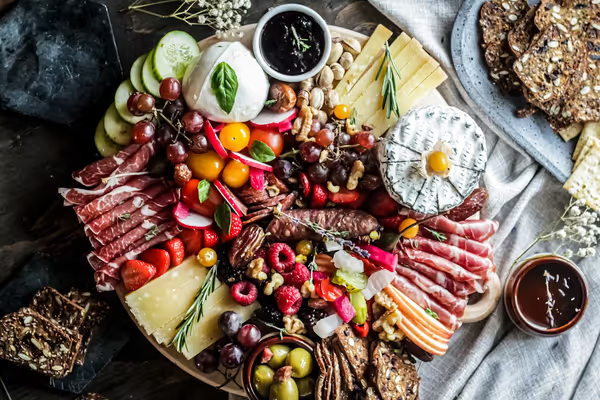
Charcuterie is more than a selection of cured meats. It is a centuries-old craft built on patience, precision, and respect for traditional techniques that continue to inspire chefs around the world.

Cultured butter has become one of the quiet stars of modern fine dining, proving that extraordinary ingredients often create the most memorable moments at the table.

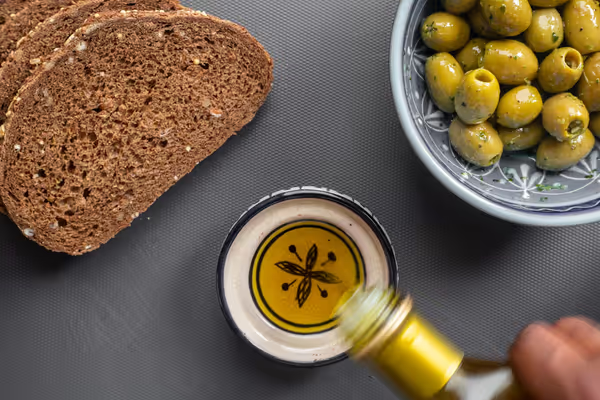
Extra virgin olive oil is more than a cooking ingredient. Discover how careful cultivation, skilled producers, and exceptional harvests make it one of the world's most celebrated culinary essentials.
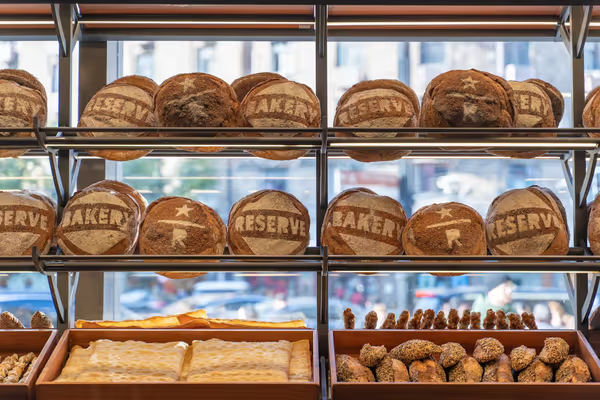
Across the world, artisan bakeries are bringing traditional bread-making back into the spotlight through natural fermentation, local grains, and handcrafted techniques.

Discussion
Share your thoughts on this story