
The Art of Handmade Pasta: Why Italy's Oldest Tradition Still Matters.
Across Italy, handmade pasta remains one of the country's greatest culinary traditions, connecting generations through craftsmanship, regional identity, and exceptional ingredients.

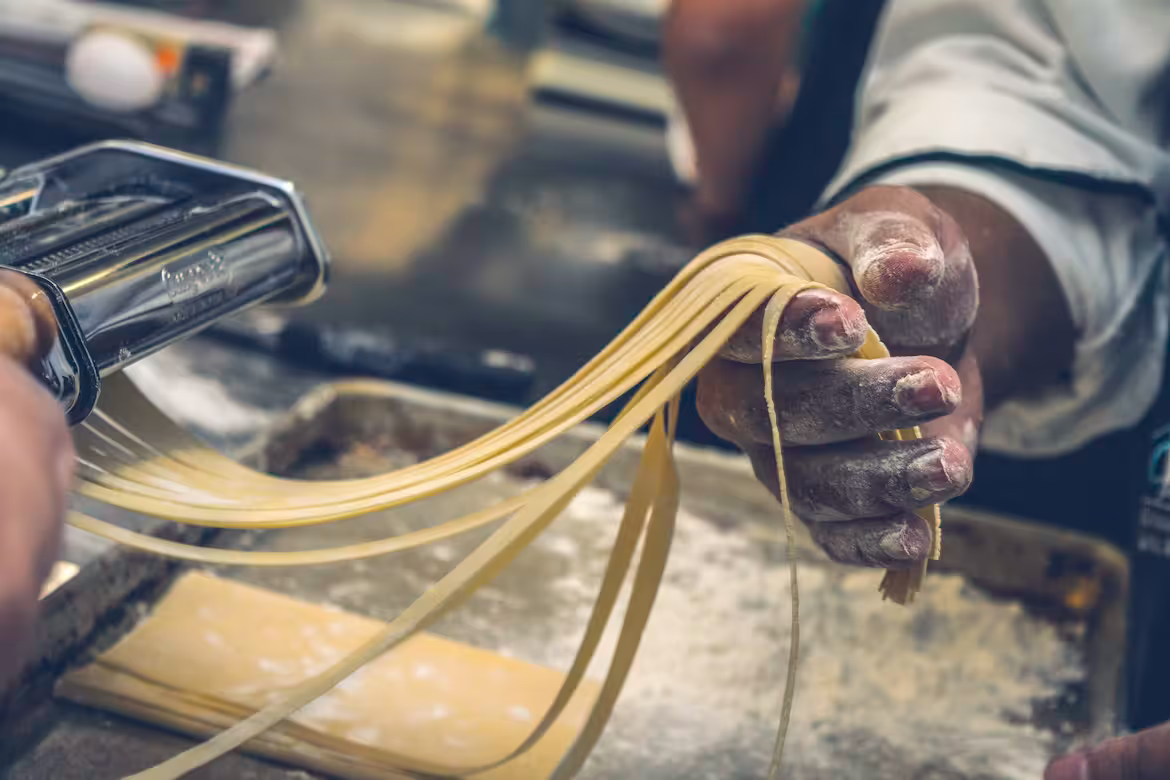
For many travelers, Italy is remembered through its landscapes, architecture, and welcoming piazzas. Yet some of its most meaningful experiences are found around the dining table, where handmade pasta continues to connect families, communities, and generations through a tradition that has remained remarkably unchanged.
Long before restaurants introduced elaborate tasting menus, fresh pasta was being prepared in homes using little more than flour, eggs, water, and skilled hands. Across regions such as Emilia-Romagna, Tuscany, and Puglia, every shape tells a story. Tagliatelle, orecchiette, pici, and tortellini are more than recipes—they reflect local ingredients, family customs, and centuries of culinary heritage.
Although modern equipment has transformed professional kitchens, many Italian chefs still believe that the finest pasta begins with patience rather than machinery. The gentle rhythm of kneading dough, rolling delicate sheets, and shaping each piece by hand remains one of the country's most respected culinary crafts.
Every Region Has Its Own Signature
One of the most fascinating aspects of Italian pasta is its remarkable regional diversity.
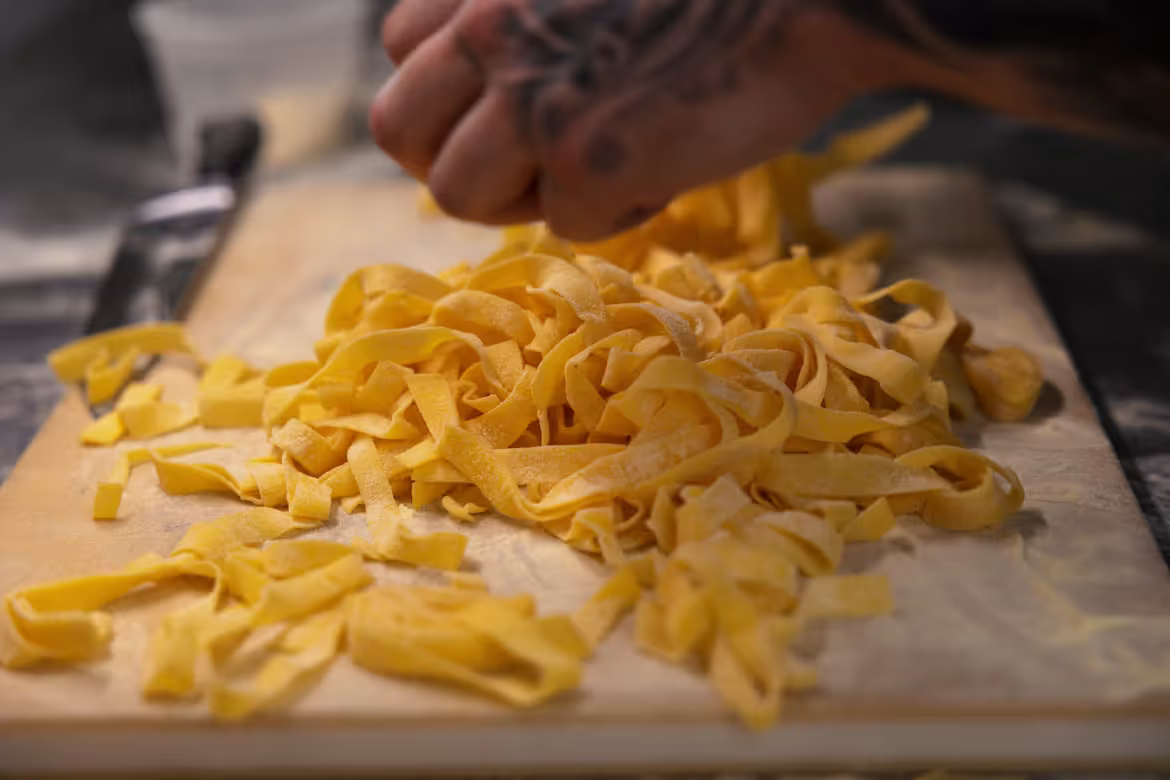
In Bologna, silky tagliatelle is traditionally paired with slow-cooked ragù, while nearby Modena is known for delicate tortellini served in rich broth. Further south, Puglia celebrates orecchiette, a small ear-shaped pasta often prepared with seasonal greens and olive oil.
These regional specialties developed not because of culinary trends, but because families adapted recipes to the ingredients available around them. Durum wheat flour flourished in southern Italy, while northern regions relied more heavily on fresh egg pasta.
This diversity ensures that no single pasta can represent Italian cuisine as a whole. Instead, every region contributes its own traditions to a much larger story.
Simple Ingredients, Extraordinary Results
Perhaps the greatest lesson handmade pasta teaches is that exceptional food does not require complexity.
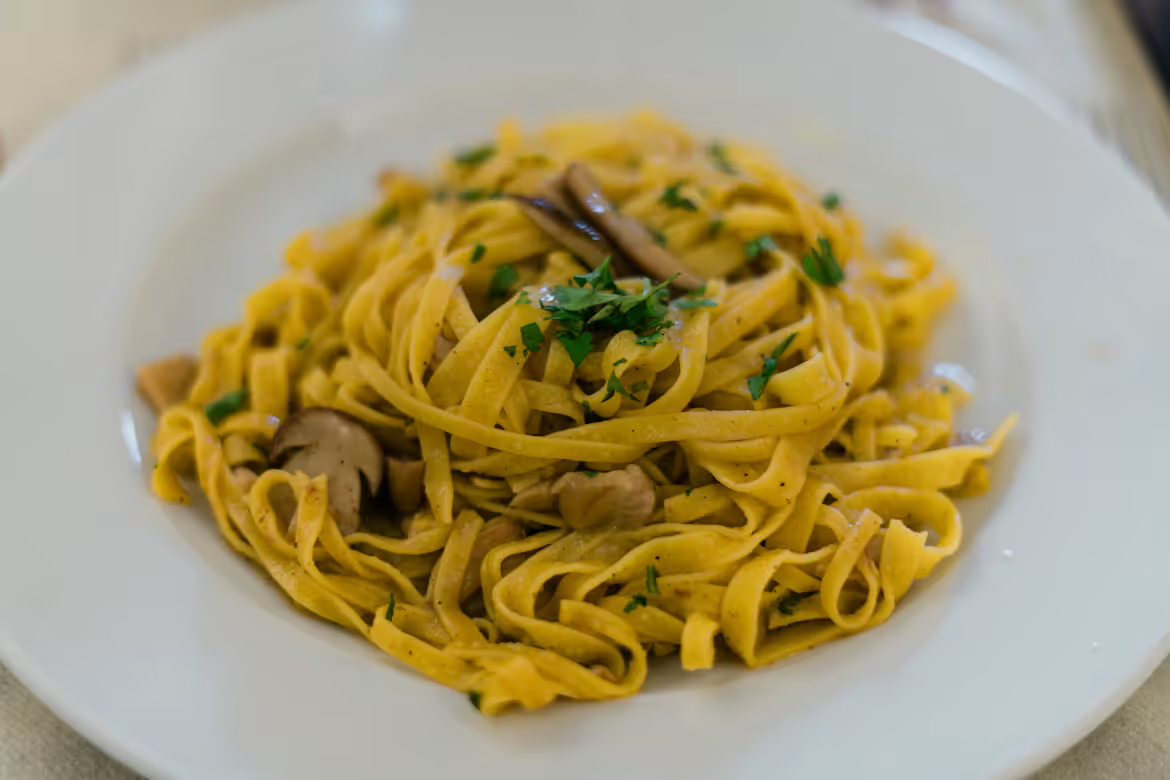
Flour, eggs, water, and a little salt become something extraordinary when treated with care. The quality of the flour influences texture, fresh eggs provide richness, and careful kneading creates elasticity that cannot be rushed.
Many contemporary chefs continue to source stone-milled flour from local mills and seasonal fillings from nearby farms, reinforcing the close relationship between artisan producers and restaurant kitchens.
Rather than relying on elaborate techniques, handmade pasta celebrates balance, restraint, and respect for ingredients.
Why Handmade Pasta Continues to Inspire
In an age where convenience often dominates everyday cooking, handmade pasta reminds us that some traditions remain worth preserving.
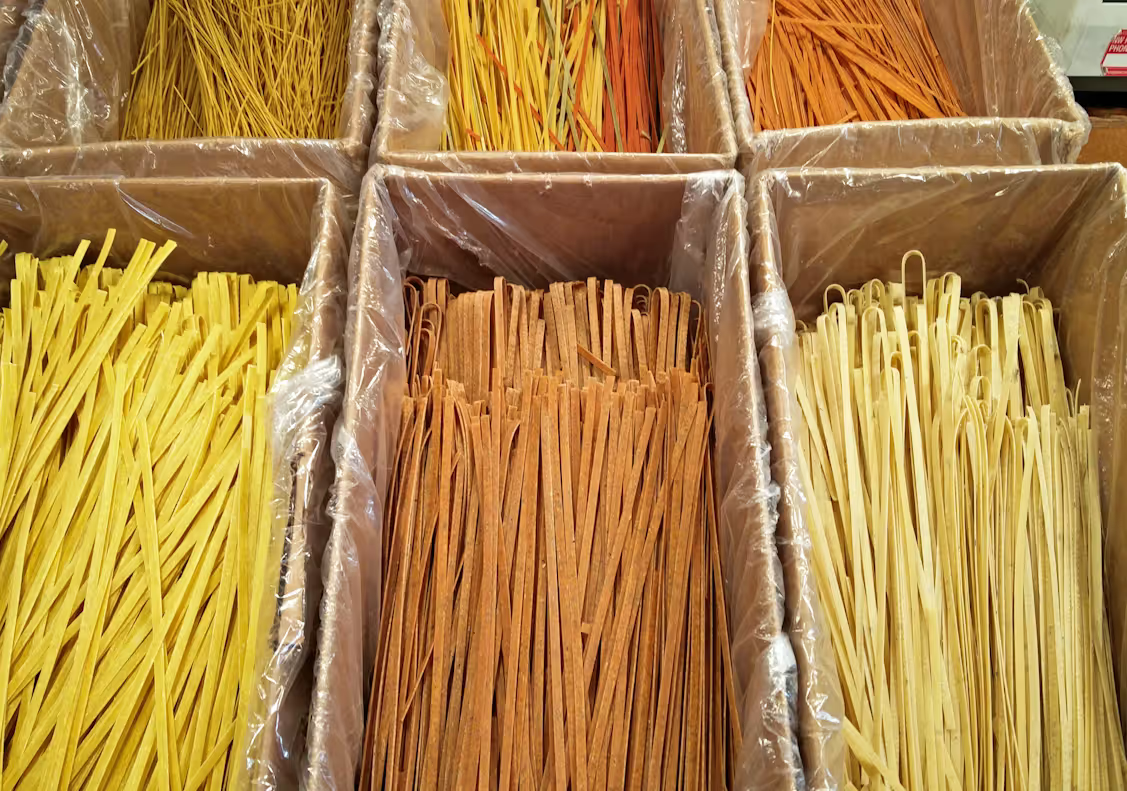
Watching experienced pasta makers shape each piece with remarkable speed and precision offers a glimpse into a craft refined over generations. Every movement reflects years of practice, while every finished dish carries the unmistakable character of something made entirely by hand.
For diners, that craftsmanship is immediately recognizable. Fresh pasta offers a delicate texture and depth of flavor that industrial production struggles to replicate.
Perhaps that is why chefs around the world continue to celebrate handmade pasta—not as a nostalgic tradition, but as a timeless expression of quality.
Final Thoughts
Handmade pasta represents far more than one of Italy's most celebrated foods. It embodies patience, regional identity, and the quiet confidence that comes from mastering a simple craft.
Whether enjoyed in a family trattoria or a Michelin-starred dining room, every bowl reflects generations of knowledge passed from one pair of hands to the next.
In a rapidly changing culinary world, handmade pasta continues to remind us that the finest traditions are often those preserved through care, consistency, and an enduring respect for simplicity.

Isabelle Fontaine
Isabelle Fontaine explores Scandinavian food culture, contemporary restaurants, pastry craftsmanship, and sustainable culinary experiences.
Keep Reading
More stories you might enjoy
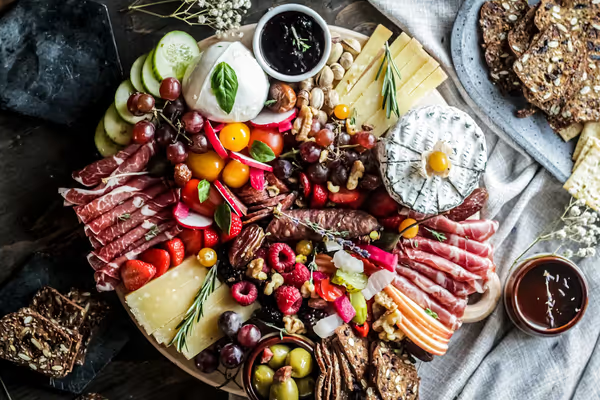
Charcuterie is more than a selection of cured meats. It is a centuries-old craft built on patience, precision, and respect for traditional techniques that continue to inspire chefs around the world.

Cultured butter has become one of the quiet stars of modern fine dining, proving that extraordinary ingredients often create the most memorable moments at the table.

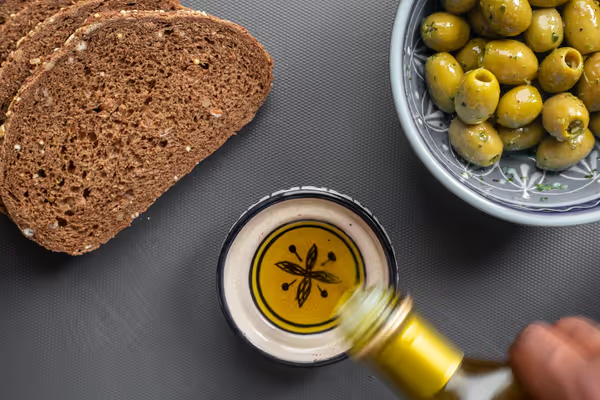
Extra virgin olive oil is more than a cooking ingredient. Discover how careful cultivation, skilled producers, and exceptional harvests make it one of the world's most celebrated culinary essentials.

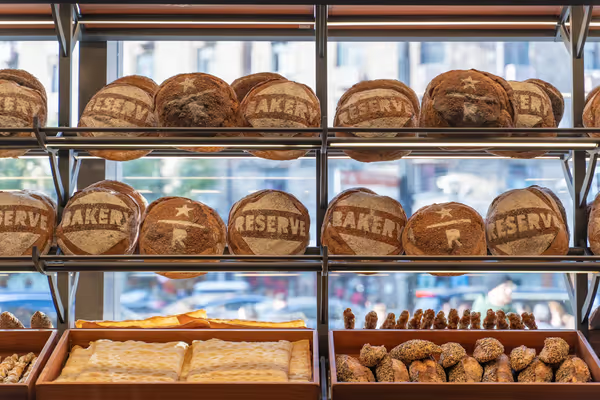
Across the world, artisan bakeries are bringing traditional bread-making back into the spotlight through natural fermentation, local grains, and handcrafted techniques.

Discussion
Share your thoughts on this story