
The Olive Oil Estates Keeping Mediterranean Traditions Alive.
From ancient olive groves in Italy and Greece to family-run estates in Spain, discover how artisan producers continue to craft some of the world's finest extra virgin olive oils.

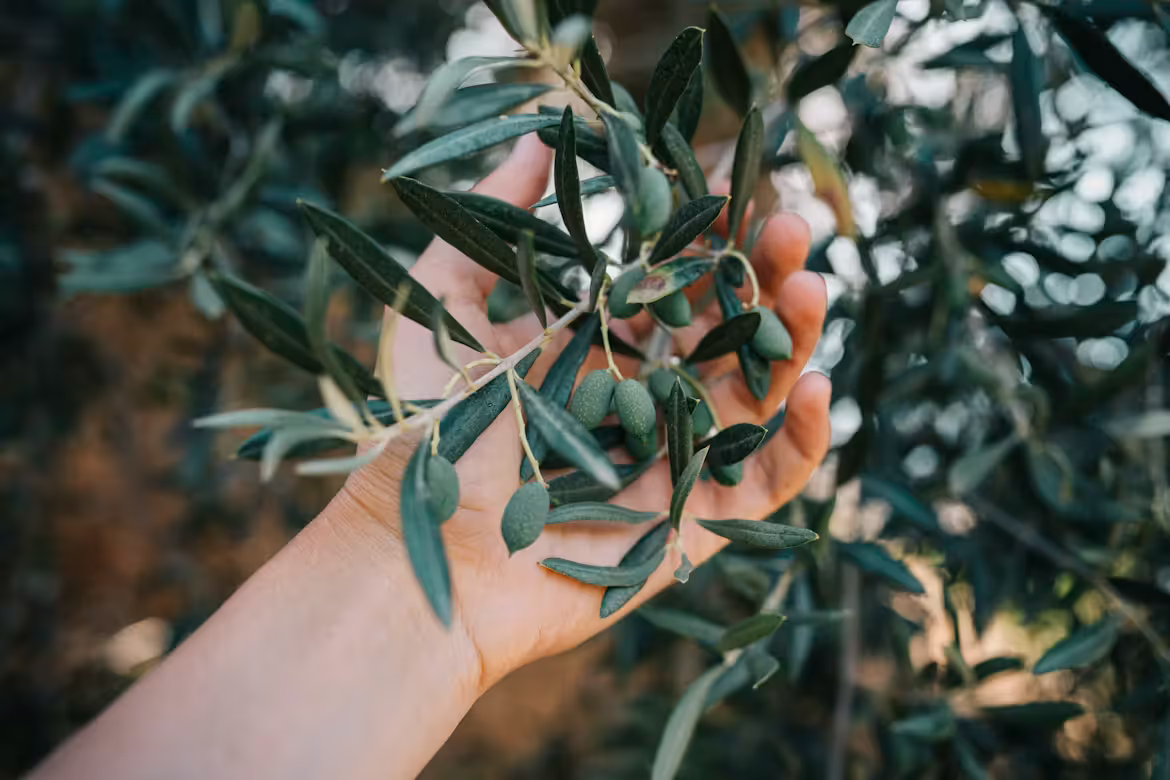
Long before the first loaf of bread reaches the table or vegetables are carefully arranged on a plate, another ingredient quietly shapes the character of Mediterranean cuisine—extra virgin olive oil.
For generations, families across Italy, Spain, and Greece have cared for ancient olive groves where some trees have stood for hundreds of years. Their twisted trunks tell stories of changing seasons, while each autumn brings another harvest that transforms carefully grown olives into one of the world's most celebrated ingredients.
Unlike industrial production, artisan olive oil is deeply connected to place. Climate, soil, elevation, and even the surrounding sea breeze influence the final flavor. Every bottle reflects the landscape from which it came, offering notes that range from delicate and buttery to vibrant, peppery, and intensely herbaceous.
Today, these family-owned estates continue to preserve traditions that value patience over speed and quality over quantity.
Where Every Harvest Begins
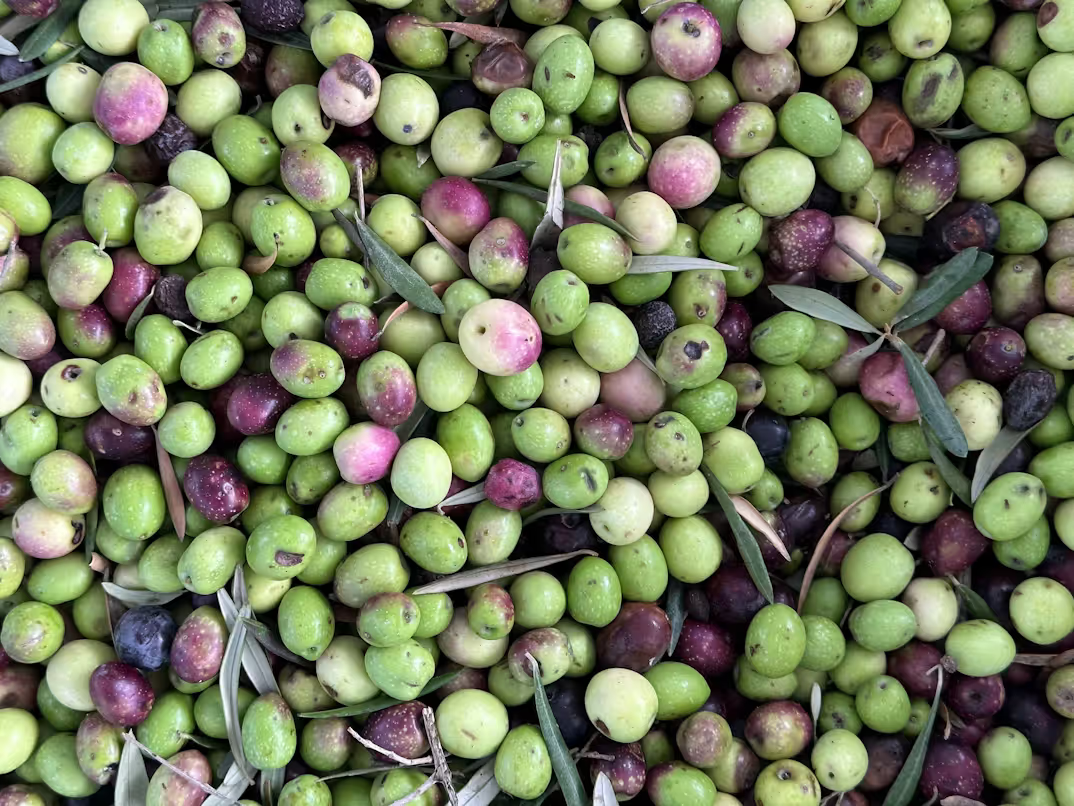
Olive harvest is one of the most anticipated moments of the year.
Unlike many modern crops, olives are still commonly picked by hand or with gentle mechanical tools that protect both the fruit and the trees. Timing is carefully chosen because harvesting even a week earlier or later can significantly influence the oil's flavor and aroma.
Freshly harvested olives are transported to the mill within hours. This rapid process helps preserve their natural freshness while preventing oxidation that could reduce quality.
Inside the mill, olives are washed, crushed into a paste, and slowly mixed before the oil is extracted. Throughout every stage, temperature is carefully controlled to protect delicate aromas and natural antioxidants that define premium extra virgin olive oil.
The result is an ingredient that reflects remarkable attention to detail despite its apparent simplicity.
More Than an Ingredient
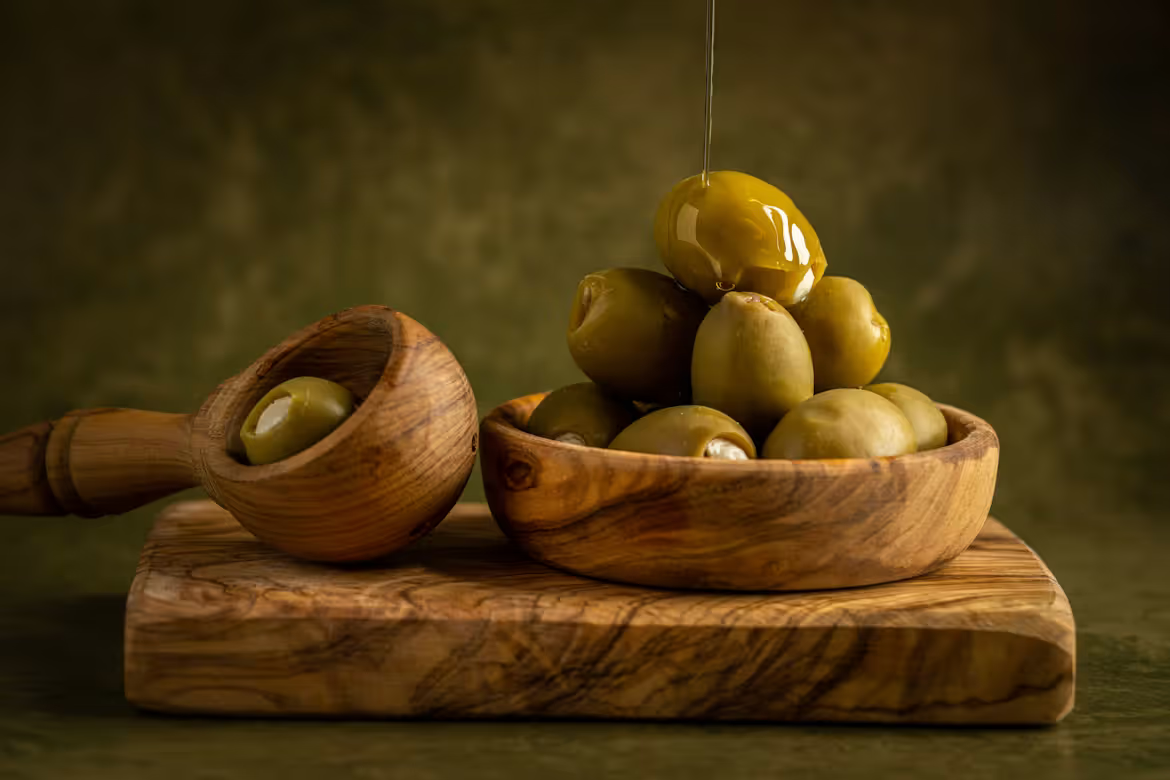
In many Mediterranean homes, olive oil is treated with the same respect often reserved for fine wine.
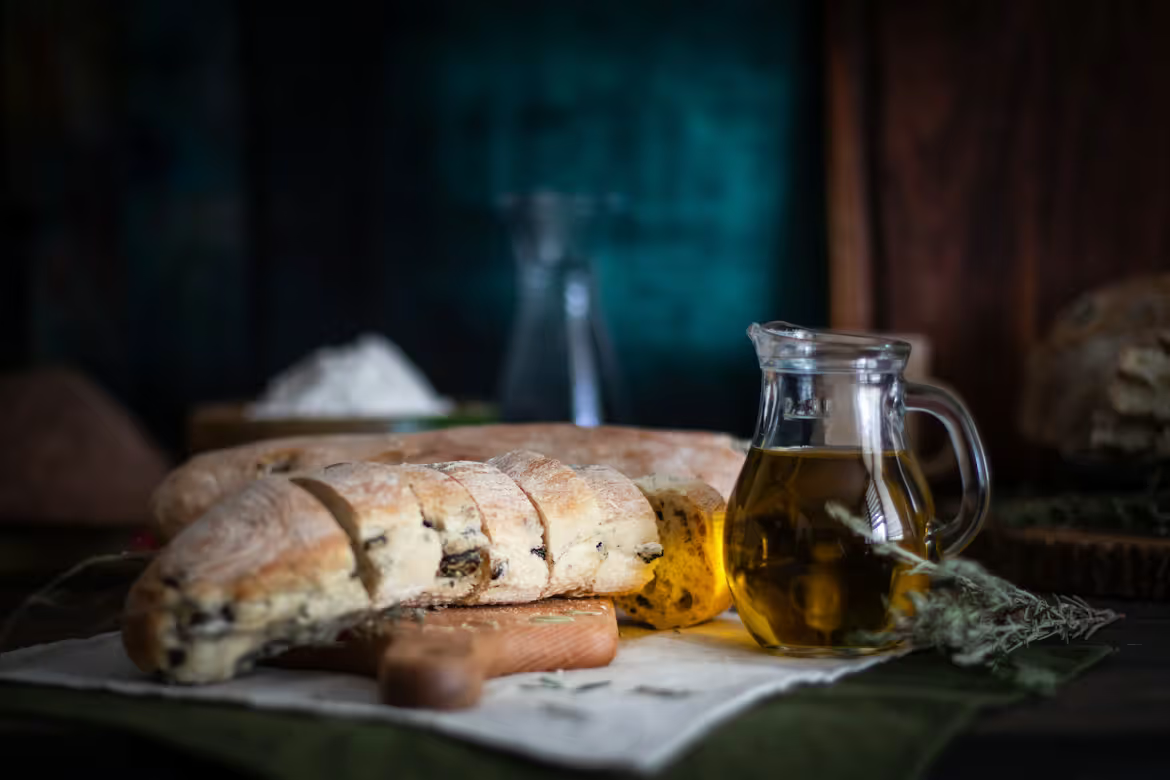
It finishes grilled vegetables, accompanies freshly baked bread, enriches soups, and adds brightness to seafood, salads, and handmade pasta. Rather than overpowering a dish, exceptional olive oil enhances natural flavors while adding depth and balance.
Many chefs now feature individual olive oils on tasting menus, introducing guests to regional varieties in much the same way wines are presented. A robust oil from southern Italy may complement grilled meats, while a lighter Spanish variety pairs beautifully with fresh seafood or seasonal vegetables.
This growing appreciation has encouraged diners to think of olive oil not simply as a cooking ingredient, but as a product worthy of exploration in its own right.
Preserving a Living Heritage
As younger generations return to family farms with new ideas, many traditional estates are embracing sustainable agriculture without abandoning their heritage. Organic cultivation, biodiversity, water conservation, and responsible harvesting are helping preserve olive groves for decades to come.
Visitors are increasingly welcomed onto these estates to walk among ancient trees, tour traditional mills, and experience harvest season firsthand. These experiences create a deeper understanding of the care behind every bottle and strengthen the connection between producers and the people who enjoy their work.
The finest olive oils are not created through shortcuts or technology alone. They are the result of generations of knowledge, healthy landscapes, and an enduring commitment to craftsmanship.
Final Thoughts
Olive oil has always been more than a pantry staple. It is one of the defining expressions of Mediterranean culture, connecting landscapes, families, and traditions through every harvest.
By preserving ancient groves and embracing thoughtful production, artisan estates continue to prove that remarkable ingredients begin with respect for nature and patience in the process.
The next time a simple drizzle of olive oil finishes a dish, it is worth remembering the centuries of craftsmanship that made that moment possible.

Isabelle Fontaine
Isabelle Fontaine explores Scandinavian food culture, contemporary restaurants, pastry craftsmanship, and sustainable culinary experiences.
Keep Reading
More stories you might enjoy
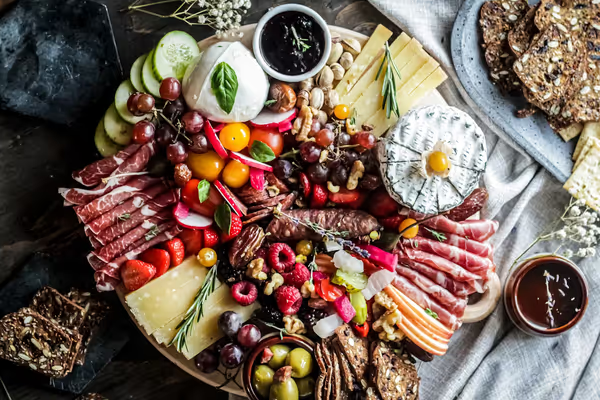
Charcuterie is more than a selection of cured meats. It is a centuries-old craft built on patience, precision, and respect for traditional techniques that continue to inspire chefs around the world.

Cultured butter has become one of the quiet stars of modern fine dining, proving that extraordinary ingredients often create the most memorable moments at the table.

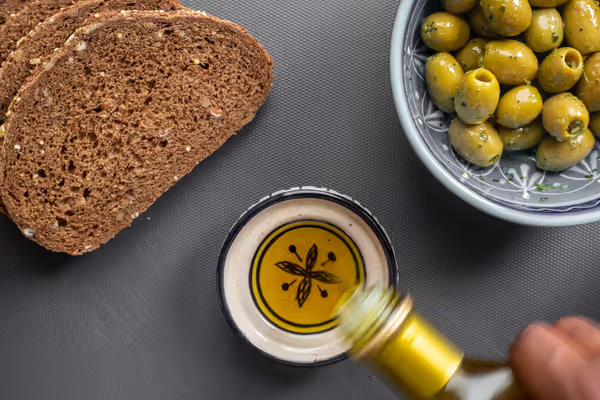
Extra virgin olive oil is more than a cooking ingredient. Discover how careful cultivation, skilled producers, and exceptional harvests make it one of the world's most celebrated culinary essentials.

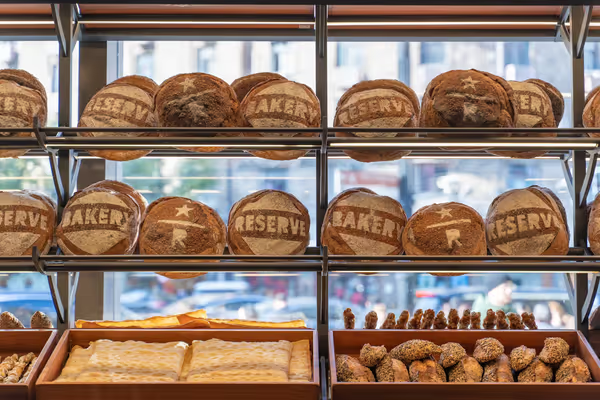
Across the world, artisan bakeries are bringing traditional bread-making back into the spotlight through natural fermentation, local grains, and handcrafted techniques.

Discussion
Share your thoughts on this story