
The Secret World of Cheese Affinage: Where Time Creates Flavor.
Behind every exceptional wheel of cheese is an affineur whose patience, knowledge, and precision transform fresh curds into extraordinary expressions of flavor.

The Secret World of Cheese Affinage: Where Time Creates Flavor
Most people remember the cheese served at the end of a remarkable meal. Its rich aroma, delicate texture, and lingering flavors often become one of the evening's final impressions. Yet few diners realize that the character of an exceptional cheese is shaped long after it leaves the hands of the cheesemaker.
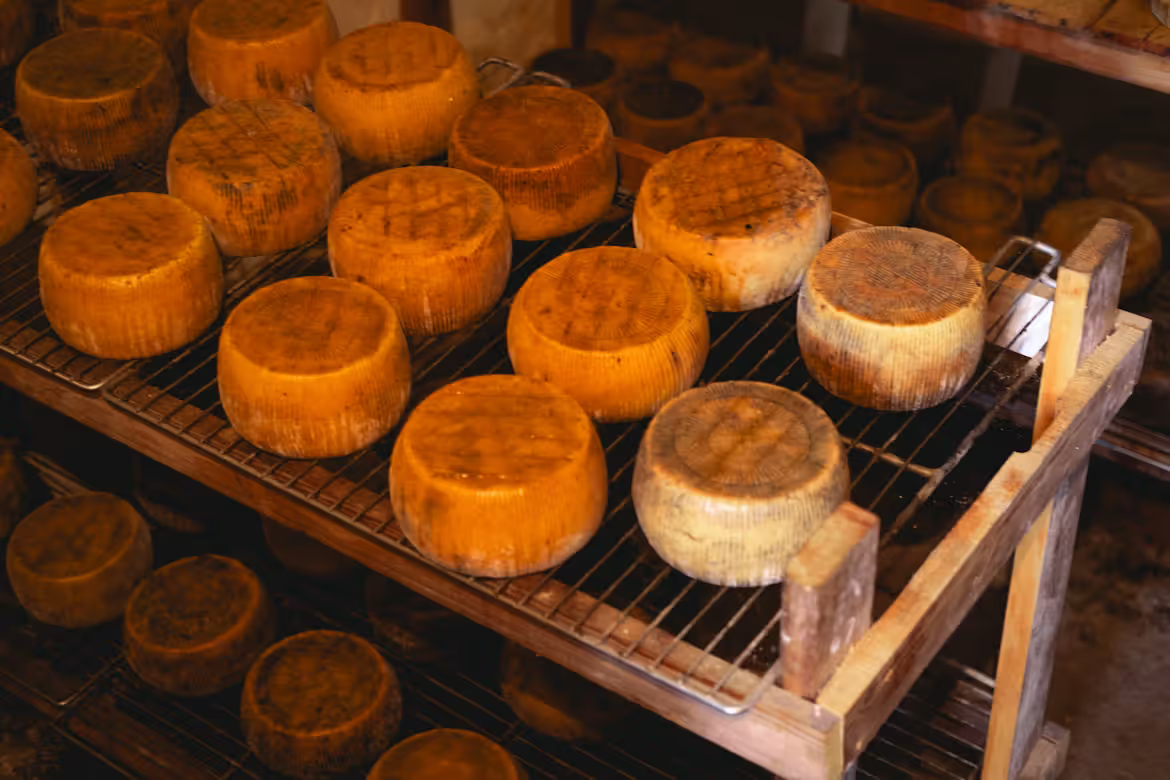
Hidden beneath historic villages, inside cool stone cellars, and within carefully monitored aging rooms, a quieter craft takes place. Here, expert affineurs devote months—and sometimes years—to nurturing young cheeses until they reach their full potential. Through patience, observation, and generations of knowledge, they guide each wheel through a slow transformation that cannot be hurried.
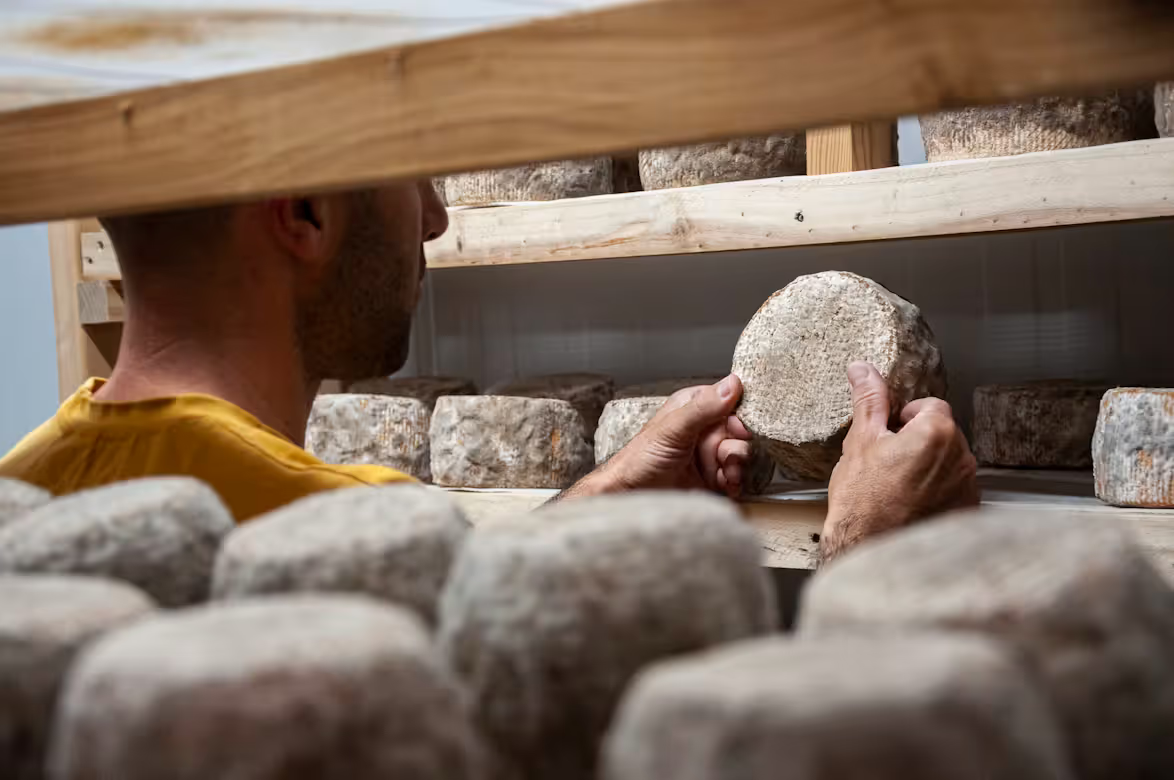
Unlike cheesemakers, whose work ends once fresh cheese is produced, affineurs focus on what happens next. Every wheel is turned by hand, its surface inspected, humidity carefully controlled, and maturation monitored with remarkable precision. Tiny adjustments in temperature or airflow can influence texture, aroma, and flavor, making affinage one of the most specialized skills in the culinary world.
Today, as restaurants place greater emphasis on artisan producers and regional traditions, affineurs are finally receiving the recognition they deserve. Their work reminds us that extraordinary food is rarely the result of speed—it is the reward for patience, craftsmanship, and an unwavering respect for time.
Time Is the Most Important Ingredient
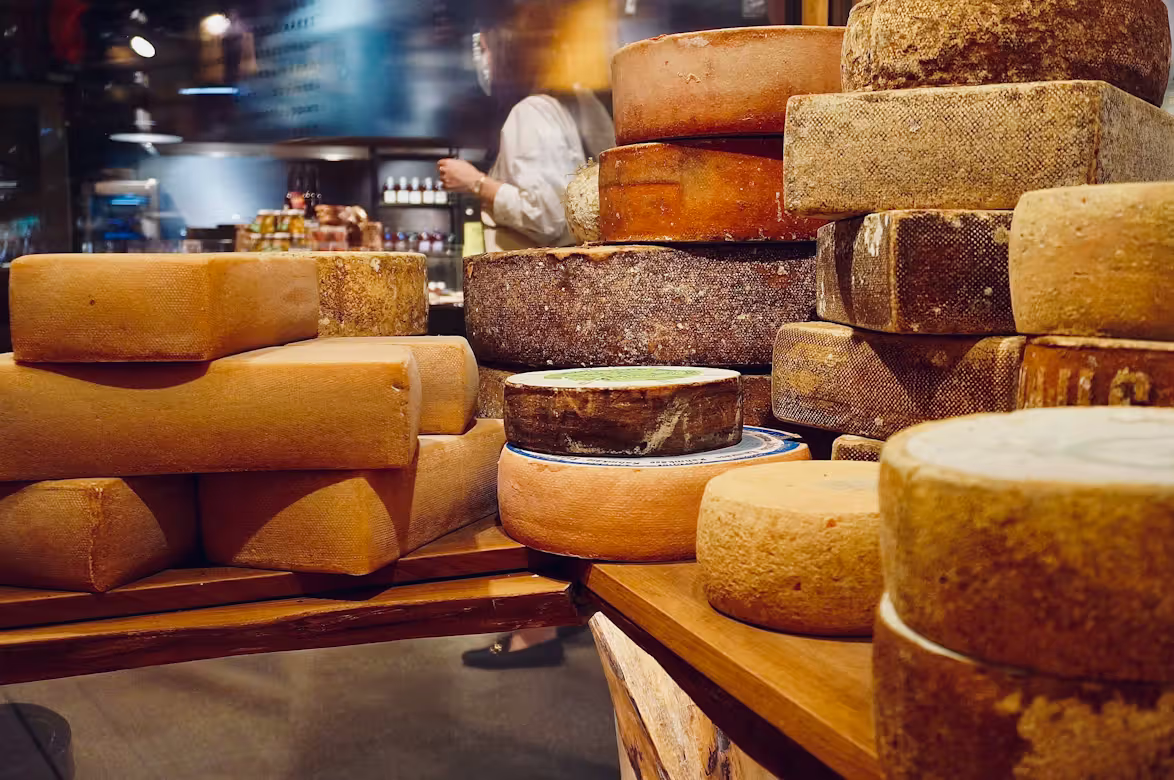
Fresh cheese offers delicate flavors and a soft texture, but aging unlocks an entirely different level of complexity. During maturation, naturally occurring bacteria and enzymes slowly transform proteins and fats, creating the nutty aromas, earthy notes, and creamy textures that define many of the world's most celebrated cheeses.
This transformation cannot be rushed. Some varieties mature for only a few weeks, while others spend more than three years developing their distinctive character. Throughout this period, affineurs monitor each wheel individually, understanding that every cheese evolves at its own pace.
Humidity remains one of the most critical elements. Too much moisture may encourage unwanted mold, while overly dry conditions can harden the rind before the interior matures properly. Temperature must also remain remarkably stable, often changing by only a few degrees throughout the year.
Many traditional cheese caves naturally provide these conditions. Built centuries ago beneath villages or carved into mountainsides, these underground spaces maintain ideal humidity and airflow, allowing cheeses to mature slowly without artificial intervention.
The result is food that reflects both human craftsmanship and the natural environment in which it was aged.
The Hands Behind Every Wheel
Walking through an affineur's cellar reveals shelves lined with hundreds—sometimes thousands—of aging cheeses. Yet these are not products waiting to be sold. Each wheel is actively cared for throughout its maturation.
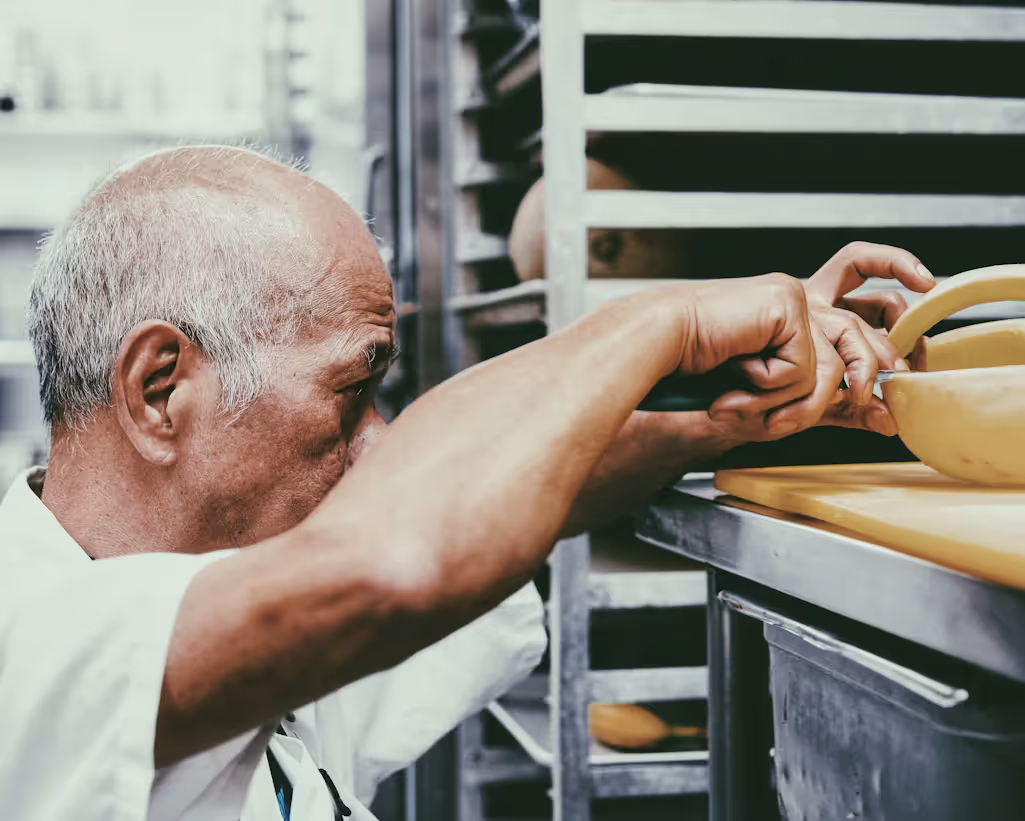
Some are turned every few days to ensure even aging. Others are gently brushed, washed with brine, beer, or wine, or wrapped to encourage particular molds to develop. These techniques influence everything from the appearance of the rind to the final depth of flavor.
Experience plays an essential role. An affineur learns to judge readiness not through a calendar alone, but by touch, aroma, and visual observation. Two cheeses produced on the same day may mature differently depending on the season, the milk, or even subtle changes in humidity.
This combination of science and intuition explains why exceptional affinage remains difficult to replicate through automation. It is a craft built upon careful observation and years of practical knowledge.
Europe's Historic Cheese Caves
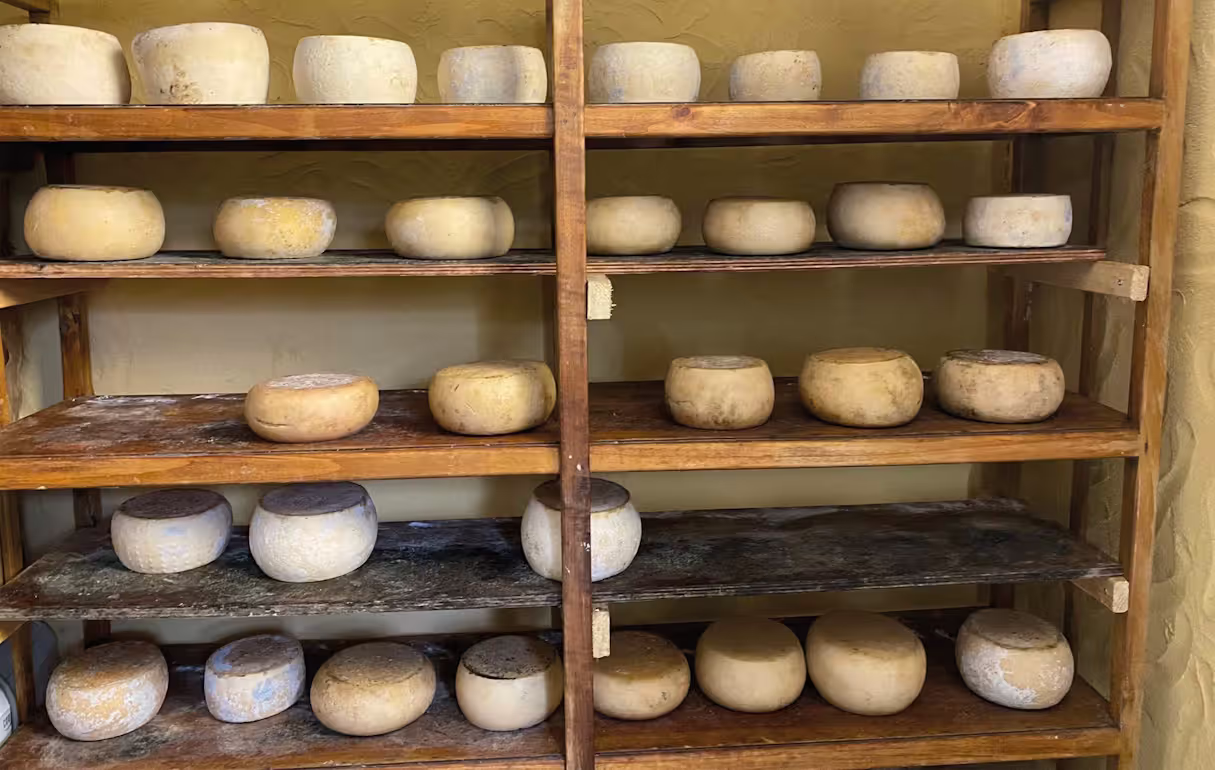
Across France, Italy, Switzerland, and Spain, some of the world's finest cheeses continue to mature inside caves that have been used for centuries. These underground spaces provide naturally stable temperatures and humidity, creating ideal conditions for aging.
In the Jura Mountains of France, vast cellars filled with aging Comté reflect a tradition that dates back generations. In northern Italy, wheels of Parmigiano Reggiano rest on towering wooden shelves, where they slowly develop their unmistakable crystalline texture and rich, nutty flavor. Switzerland's alpine caves continue to nurture Gruyère and other regional cheeses using methods passed from one generation to the next.
These historic spaces are more than storage facilities—they are living workshops where craftsmanship and patience quietly shape every wheel.
A Craft Worth Preserving
As consumers become increasingly interested in authentic food and transparent sourcing, the role of the affineur is receiving renewed appreciation.
Independent cheese shops, specialty retailers, and fine dining restaurants are introducing guests to cheeses that reflect local landscapes, seasonal milk, and generations of expertise. Rather than celebrating mass production, they highlight craftsmanship, patience, and regional identity.
For younger artisans entering the profession, affinage offers an opportunity to preserve traditional knowledge while embracing modern standards of quality and sustainability. It is a reminder that some of the world's finest foods are created not through speed or technology, but through careful observation and respect for time.
Final Thoughts
Behind every remarkable cheese lies a story that extends far beyond the dairy.
It is the story of farmers who care for their animals, cheesemakers who transform fresh milk into young wheels, and affineurs who patiently guide those cheeses toward maturity. Their combined craftsmanship creates flavors that cannot be rushed or replicated.
The next time a beautifully aged cheese arrives at the table, it is worth remembering that its greatest ingredient may not be milk or salt—but time itself. In a world that often values speed, cheese affinage remains one of the clearest reminders that excellence is built slowly, one careful day after another.

Isabelle Fontaine
Isabelle Fontaine explores Scandinavian food culture, contemporary restaurants, pastry craftsmanship, and sustainable culinary experiences.
Keep Reading
More stories you might enjoy
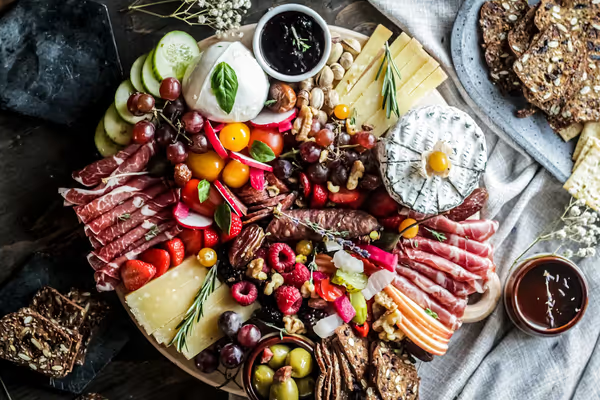
Charcuterie is more than a selection of cured meats. It is a centuries-old craft built on patience, precision, and respect for traditional techniques that continue to inspire chefs around the world.

Cultured butter has become one of the quiet stars of modern fine dining, proving that extraordinary ingredients often create the most memorable moments at the table.

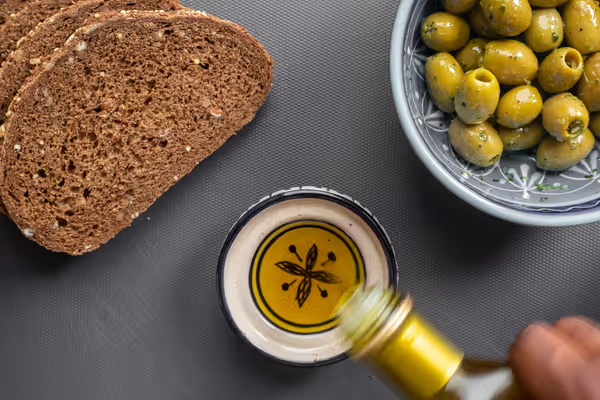
Extra virgin olive oil is more than a cooking ingredient. Discover how careful cultivation, skilled producers, and exceptional harvests make it one of the world's most celebrated culinary essentials.

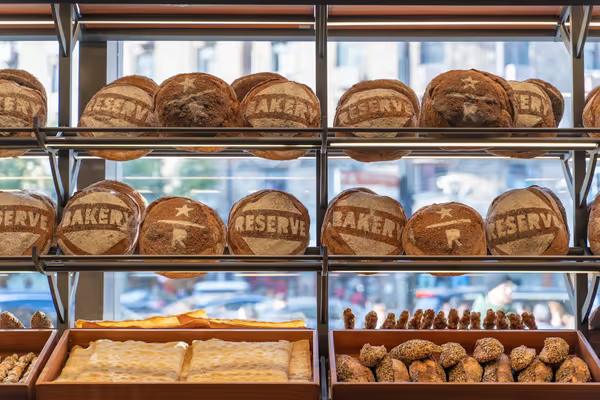
Across the world, artisan bakeries are bringing traditional bread-making back into the spotlight through natural fermentation, local grains, and handcrafted techniques.

Discussion
Share your thoughts on this story